Peruvian Zinnia
/
(Zinnia peruviana)
Peruvian Zinnia (Zinnia peruviana)
/


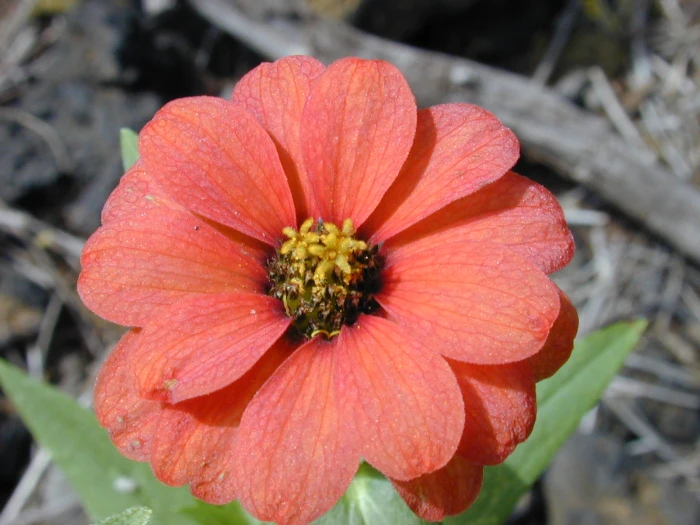

Forest & Kim Starr
CC BY 3.0






Summary
Peruvian Zinnia is valued for its drought tolerance and vibrant, colorful flowers, which make it an excellent choice for xeriscaping, rock gardens, and borders in areas with dry climates. It is also used for cut flowers due to its long vase life. This plant thrives in full sun and requires minimal water once established, making it a low-maintenance option for gardeners. It prefers well-drained soils and can tolerate poor, sandy, or rocky soils. While it is generally pest-free, it can be susceptible to powdery mildew in humid conditions. Due to its potential to self-seed and become naturalized, gardeners should check local regulations before planting.CC BY-SA 4.0
Plant Description
- Plant Type: Herb
- Height: 1.5-2 feet
- Width: 0.75-1 feet
- Growth Rate: Moderate
- Flower Color: Yellow, Orange, Pink, Red
- Flowering Season: Summer, Fall
- Leaf Retention:
Growth Requirements
- Sun: Full Sun
- Drainage: Medium
Common Uses
Bank Stabilization, Bee Garden, Bird Garden, Border Plant, Butterfly Garden, Deer Resistant, Drought Tolerant, Erosion Control, Hummingbird Garden, Low Maintenance, Potted Plant, Rabbit Resistant, Rock Garden, Salt Tolerant, Showy Flowers
Natural Habitat
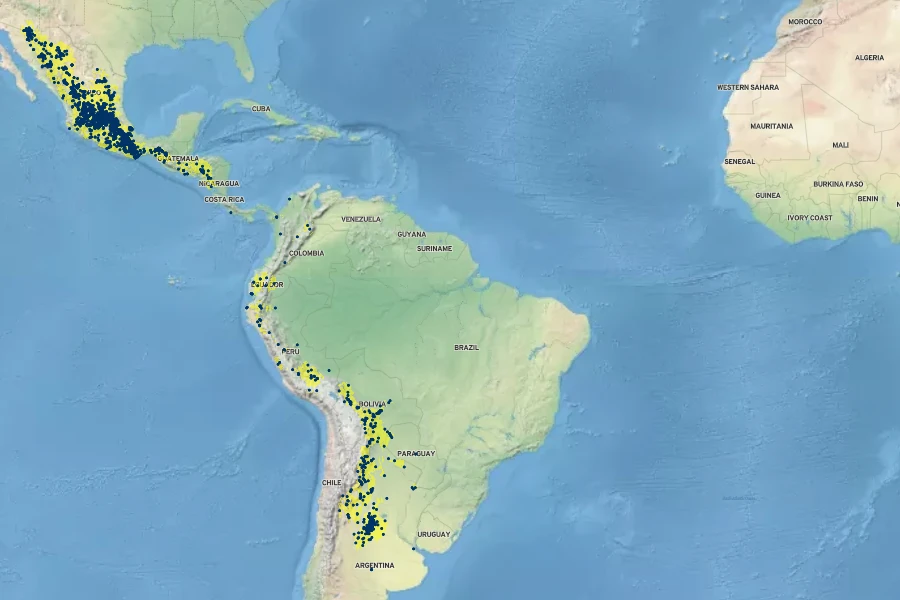
native to dry grasslands and scrub in Southern USA, Central America and South America
Other Names
Common Names: Wild Zinnia, Field Zinnia, Spindelzinnia, Cabrón, Clavelón, Escopetón, Eterno, Garden Zinnia, Zinia, Zinia Del Monte
Scientific Names: Zinnia peruviana, Zinnia hybrida, Zinnia florida, Zinnia multiflora, Zinnia pauciflora, Zinnia tenuiflora, Zinnia verticillata, Zinnia leptopoda, Zinnia revoluta
GBIF Accepted Name: Zinnia peruviana (L.) L.