Adam’s Needle
/
(Yucca filamentosa)
Adam’s Needle (Yucca filamentosa)
/


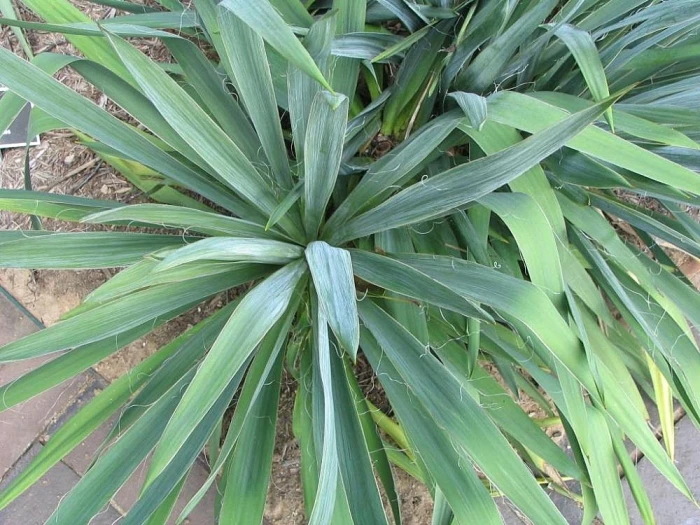

Photo by David J. Stang
CC BY-SA 4.0






Summary
Adam’s Needle is valued for its architectural form and its ability to withstand drought, making it suitable for xeriscaping and rock gardens. It is also used as a specimen plant or in mass plantings for a dramatic effect. It requires full sun and well-drained soil, thriving in sandy or rocky soils with good drainage. It is adaptable to a range of pH levels from slightly acidic to slightly alkaline. Gardeners should be cautious when planting Yucca filamentosa, as its large taproot makes it difficult to remove and it can spread if not managed properly. It is also resistant to deer and rabbit browsing.CC BY-SA 4.0
Plant Description
- Plant Type: Succulent
- Height: 4-8 feet
- Width: 2-3 feet
- Growth Rate: Moderate
- Flower Color: Cream, White
- Flowering Season: Spring, Summer
- Leaf Retention: Evergreen
Growth Requirements
- Sun: Full Sun
- Drainage: Fast
Common Uses
Bank Stabilization, Bee Garden, Bird Garden, Border Plant, Butterfly Garden, Deer Resistant, Drought Tolerant, Edible*Disclaimer: Easyscape's listed plant edibility is for informational use. Always verify the safety and proper identification of any plant before consumption., Erosion Control, Fire Resistant, Fragrant, Hummingbird Garden, Low Maintenance, Rabbit Resistant, Rock Garden, Salt Tolerant, Showy Flowers, Street Planting
Natural Habitat
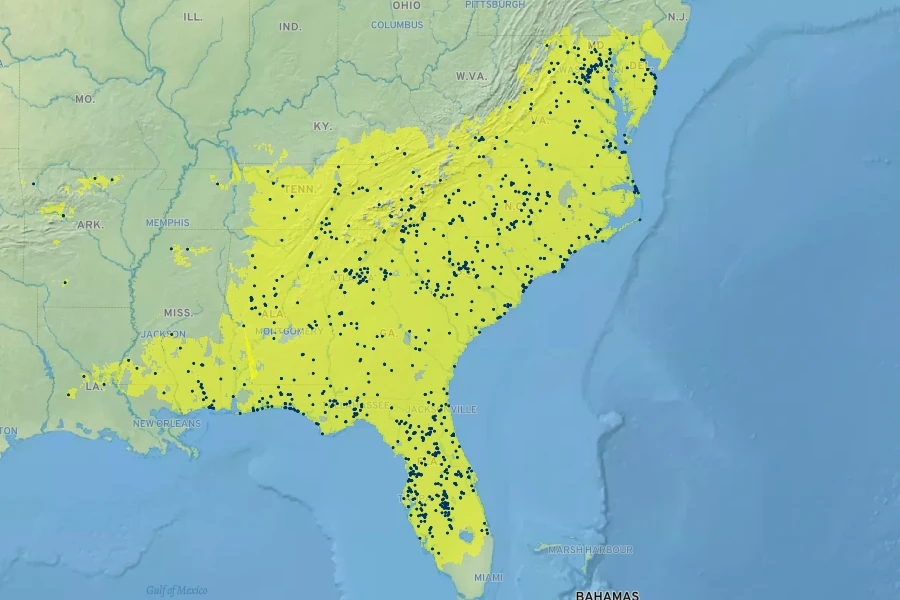
Sandy soils in open woodlands and grasslands
Other Names
Common Names: Spanish Bayonet, Bear-Grass, Needle-Palm, Silk-Grass, Spoon-Leaf Yucca, Beargrass, Common Yucca, Needle Palm, Silkgrass, Yucca
Scientific Names: Adam's Needle and Thread, Adam's Needle Yucca, Curlyleaf Yucca, Spoonleaf Yucca
GBIF Accepted Name: Yucca filamentosa L.