Indian yellow-eyed grass
/
(Xyris indica)
Indian yellow-eyed grass (Xyris indica)
/


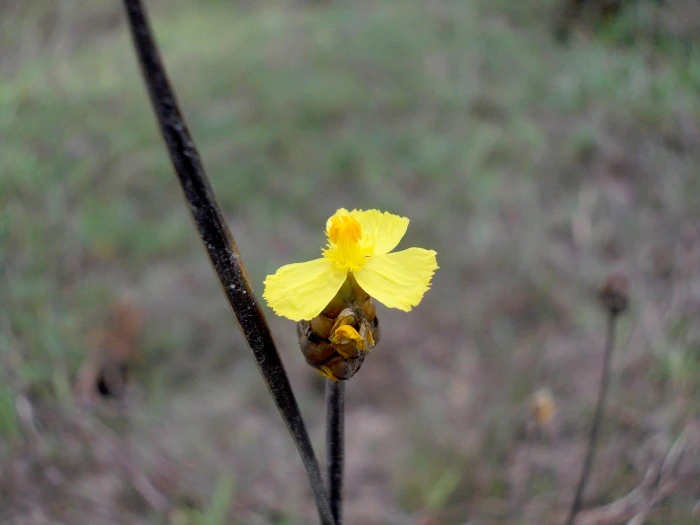

Dmitriy Bochkov
CC BY 4.0

Image By:
Dmitriy Bochkov
Recorded By:
Copyright:
CC BY 4.0
Copyright Notice:
Photo by: Dmitriy Bochkov | License Type: CC BY 4.0 | License URL: http://creativecommons.org/licenses/by/4.0/ | Rights Holder: Dmitriy Bochkov | Publisher: iNaturalist | Date Created: 2012-07-02T10:28:47-07:00 |





Summary
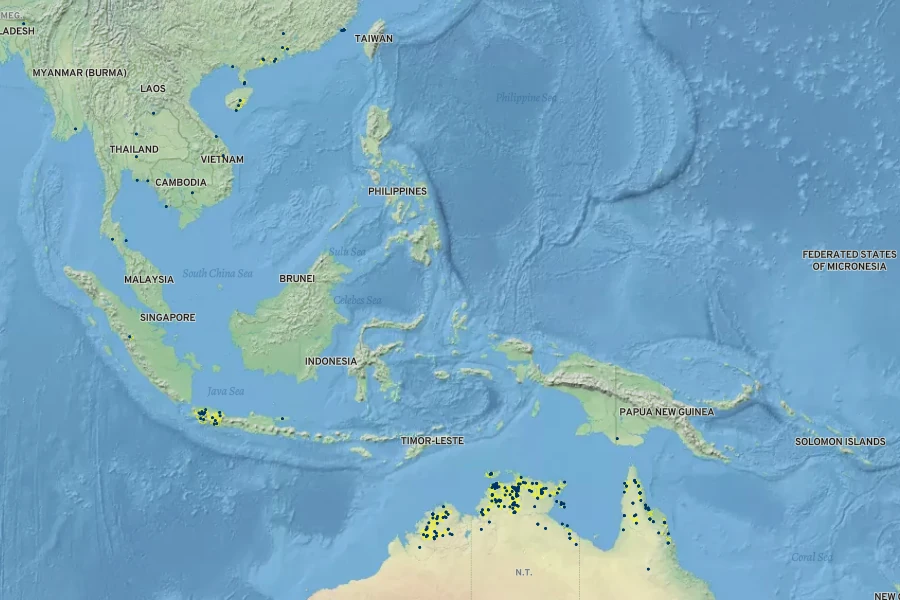
Xyris indica, commonly known as Indian yellow-eyed grass, is a perennial herb that prefers swamps and other moist habitats in subtropical Asia and Australia. It typically grows up to 40 inches tall and features narrow, grass-like leaves. The plant produces distinctive yellow flowers with brownish central scales, which bloom from late spring to early fall, adding a splash of color to its native wetland habitats.
Carolina yellow-eyed grass is valued for its ornamental flowers and its ability to thrive in wet conditions, making it suitable for rain gardens, water features, and naturalized areas. It prefers full sun to part shade and consistently moist to wet soils, often found in acidic conditions. While it is not commonly used in traditional garden settings, its resilience to wet environments and attractive flowers make it a unique addition to specialized plantings. Gardeners should be aware that it may require additional water during dry periods to mimic its natural marshy habitat.CC BY-SA 4.0
Carolina yellow-eyed grass is valued for its ornamental flowers and its ability to thrive in wet conditions, making it suitable for rain gardens, water features, and naturalized areas. It prefers full sun to part shade and consistently moist to wet soils, often found in acidic conditions. While it is not commonly used in traditional garden settings, its resilience to wet environments and attractive flowers make it a unique addition to specialized plantings. Gardeners should be aware that it may require additional water during dry periods to mimic its natural marshy habitat.CC BY-SA 4.0
Plant Description
- Plant Type: Herb
- Height: 0.75-2.5 feet
- Width: 1-2 feet
- Growth Rate: Moderate
- Flower Color: Brown, Yellow
- Flowering Season: Spring
- Leaf Retention: Deciduous
Growth Requirements
- Sun: Full Sun
- Drainage: Medium
Common Uses
Border Plant, Low Maintenance, Water Garden
Natural Habitat
Wet pine flatwoods, savannas, and bogs in the coastal plain of subtropical Asia and Australia
Other Names
Common Names:
Scientific Names: Xyris indica, Ramotha vera, Xyris calocephala, Xyris capito, Xyris paludosa, Xyris robusta
GBIF Accepted Name: Xyris indica