Coastal Rosemary
/
(Westringia brevifolia)
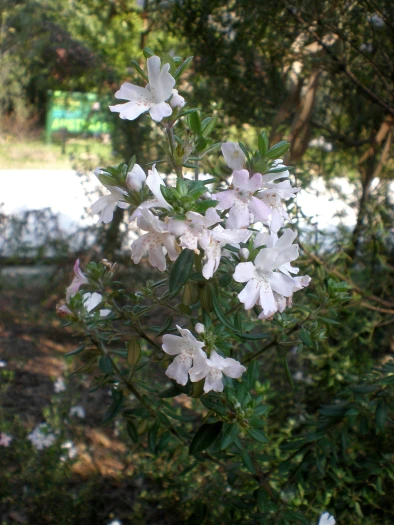
Coastal Rosemary (Westringia brevifolia)
/



Consultaplantas
CC BY-SA 4.0

Image By:
Consultaplantas
Recorded By:
Copyright:
CC BY-SA 4.0
Copyright Notice:
Photo by: Consultaplantas | License Type: CC BY-SA 4.0 | License URL: https://creativecommons.org/licenses/by-sa/4.0 | Uploader: Consultaplantas | Publisher: Wikimedia Commons |





Summary
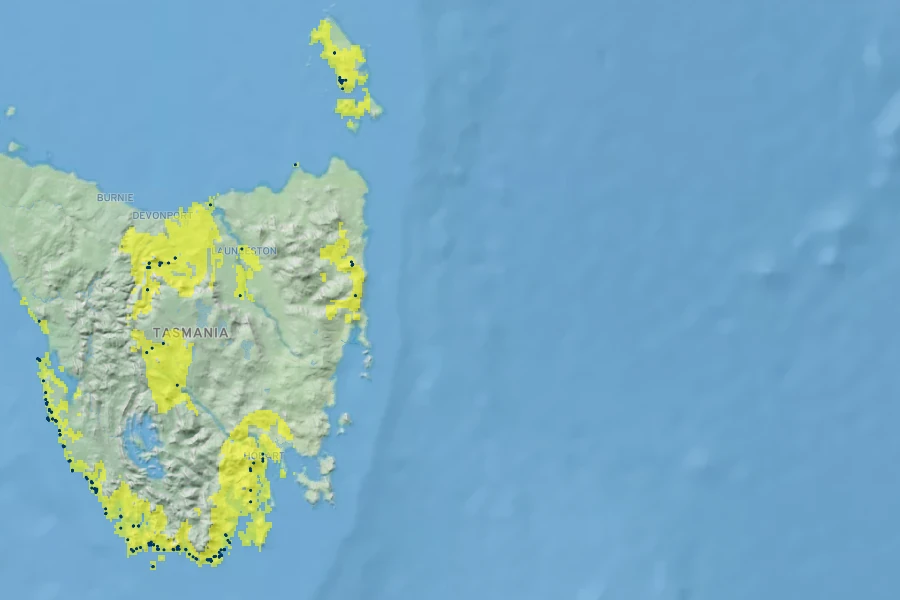
Westringia brevifolia, commonly known as Short-leaved Westringia, is an evergreen shrub native to coastal heathlands and open woodlands in Tasmania. It typically grows to a height of 6-7 feet (1.8-2.1 meters) and a width of 5-6 feet (1.5-1.8 meters). The plant has a dense, bushy habit with small, gray-green leaves that resemble rosemary, and it produces small, white to pale blue flowers with purple spots primarily in the spring, but sporadically throughout the year.
Coastal Rosemary is valued for its drought tolerance and ability to withstand coastal conditions, making it an excellent choice for seaside gardens. It is also used as a low-maintenance hedge or ground cover and is appreciated for its informal appearance and the subtle beauty of its flowers. In cultivation, it thrives in full sun to part shade and prefers well-drained soils. It is tolerant of a range of soil types, including sandy and loamy soils. Coastal Rosemary is generally pest and disease resistant, but root rot can be a problem in poorly drained soils. It can be pruned to maintain shape and density.CC BY-SA 4.0
Coastal Rosemary is valued for its drought tolerance and ability to withstand coastal conditions, making it an excellent choice for seaside gardens. It is also used as a low-maintenance hedge or ground cover and is appreciated for its informal appearance and the subtle beauty of its flowers. In cultivation, it thrives in full sun to part shade and prefers well-drained soils. It is tolerant of a range of soil types, including sandy and loamy soils. Coastal Rosemary is generally pest and disease resistant, but root rot can be a problem in poorly drained soils. It can be pruned to maintain shape and density.CC BY-SA 4.0
Plant Description
- Plant Type: Shrub
- Height: 6-7 feet
- Width: 5-6 feet
- Growth Rate: Moderate
- Flower Color: Purple, White
- Flowering Season: Spring
- Leaf Retention: Evergreen
Growth Requirements
- Sun: Full Sun
- Drainage: Medium, Fast
Common Uses
Bee Garden, Bird Garden, Butterfly Garden, Drought Tolerant, Hedges, Low Maintenance
Natural Habitat
native to coastal heathlands and open woodlands in Tasmania
Other Names
Common Names: Australian Rosemary, Coastal Westringia
Scientific Names: Short-Leaved Westringia
GBIF Accepted Name: Westringia brevifolia Benth.