Western Valerian
/
(Valeriana occidentalis)
Western Valerian (Valeriana occidentalis)
/


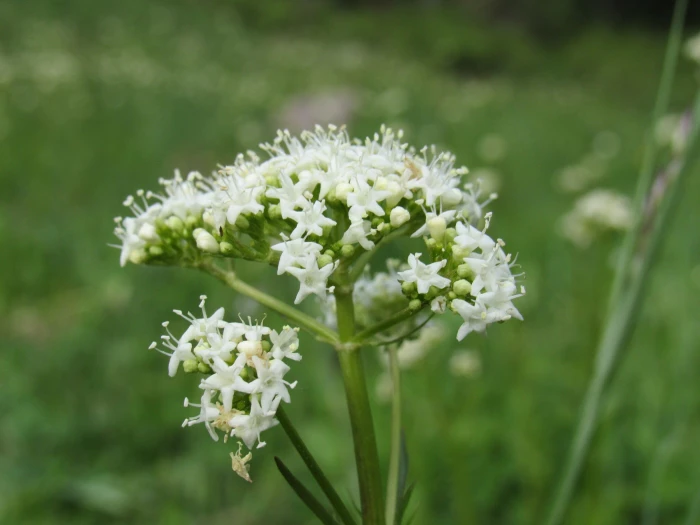

Anders Hastings
CC BY 4.0

Image By:
Anders Hastings
Recorded By:
Copyright:
CC BY 4.0
Copyright Notice:
Photo by: Anders Hastings | License Type: CC BY 4.0 | License URL: http://creativecommons.org/licenses/by/4.0/ | Rights Holder: Anders Hastings | Publisher: iNaturalist | Date Created: 2022-06-22T19:02:45-07:00 |





Summary
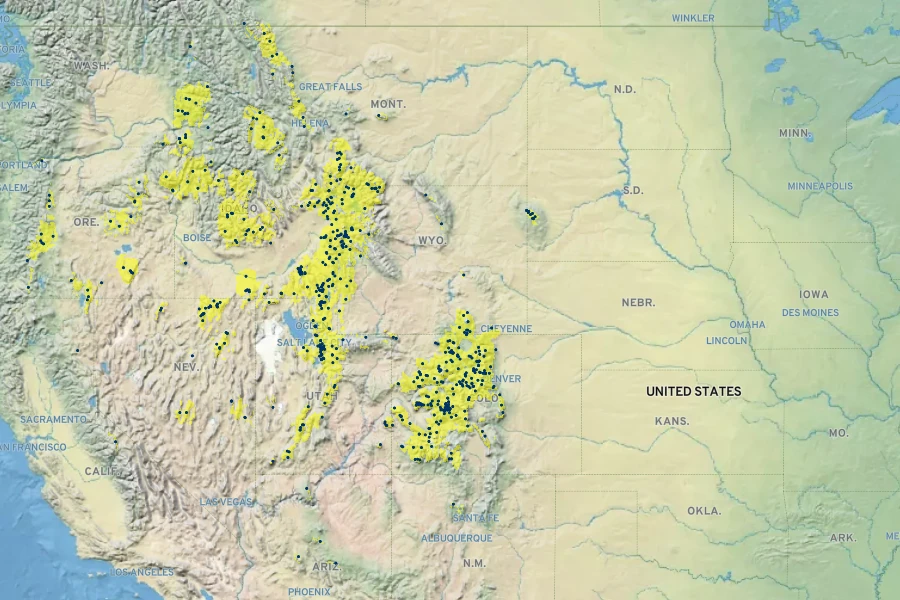
Valeriana occidentalis, commonly known as Western Valerian, is a perennial herb native to moist meadows, streambanks, and forested mountain habitats in the western United States and parts of Canada, including Arizona, California, Colorado, and Washington. This plant typically grows 12 to 30 inches tall and features whorls of lobed or compound leaves. From late spring to early summer, Western Valerian produces dense inflorescences of small, funnel-shaped white flowers with protruding stamens, which are modestly showy and attract pollinators.
Western Valerian is valued for its medicinal properties, as it has been traditionally used to treat insomnia and anxiety. In cultivation, it is often used in naturalized plantings, herb gardens, and as a border plant. It thrives in partial shade to full sun, prefers consistently moist soil with good drainage, and is tolerant of a range of soil types. While generally low-maintenance, it can be susceptible to root rot if overwatered or planted in poorly drained soils. Western Valerian is not known for aggressive roots or significant disease problems, making it a suitable choice for gardeners seeking a low-care medicinal herb.CC BY-SA 4.0
Western Valerian is valued for its medicinal properties, as it has been traditionally used to treat insomnia and anxiety. In cultivation, it is often used in naturalized plantings, herb gardens, and as a border plant. It thrives in partial shade to full sun, prefers consistently moist soil with good drainage, and is tolerant of a range of soil types. While generally low-maintenance, it can be susceptible to root rot if overwatered or planted in poorly drained soils. Western Valerian is not known for aggressive roots or significant disease problems, making it a suitable choice for gardeners seeking a low-care medicinal herb.CC BY-SA 4.0
Plant Description
- Plant Type: Herb
- Height: 0.5-2 feet
- Width: 0.5-1.5 feet
- Growth Rate: Moderate
- Flower Color: White
- Flowering Season: Spring, Summer
- Leaf Retention: Deciduous
Growth Requirements
- Sun: Full Sun, Part Shade
- Drainage: Medium, Slow
Common Uses
Butterfly Garden, Low Maintenance
Natural Habitat
Moist meadows, streambanks, and forested mountain habitats
Other Names
Common Names: Small-Flower Valerian, Pacific Valerian, Western Valeriana
Scientific Names: Valeriana occidentalis
GBIF Accepted Name: Valeriana occidentalis