Slender Beard Grass
/
(Tripogon filiformis)
Slender Beard Grass (Tripogon filiformis)
/





Image By:
Recorded By:
Copyright:
Copyright Notice:




Summary
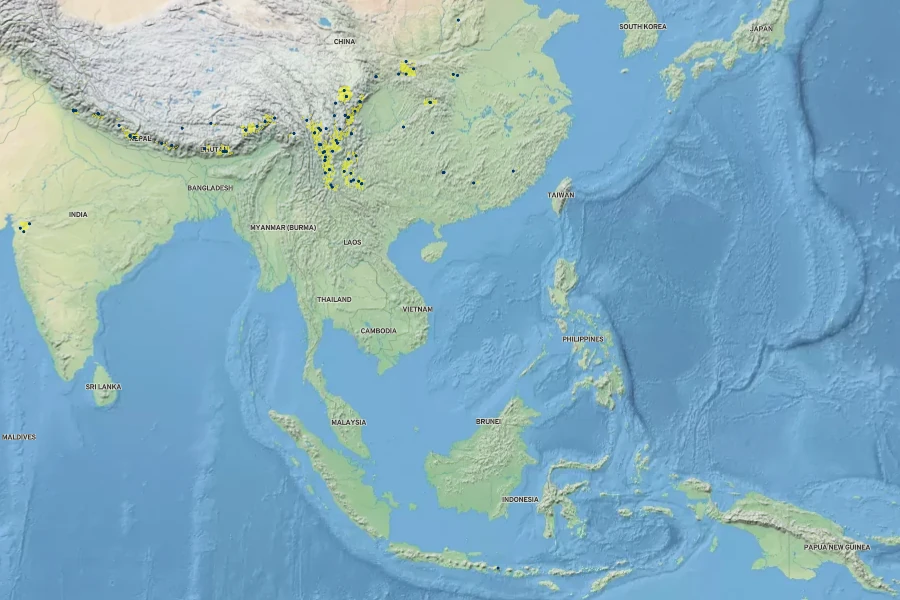
Tripogon filiformis, commonly known as Slender Beard Grass, is a perennial grass that thrives in a variety of habitats including open forests, grasslands, and disturbed areas. It is native to tropical regions across Africa, India, Sri Lanka, Southeast Asia, Australia, and the Pacific Islands. This grass typically grows at a moderate rate to a height of 0.5-2 feet (0.15-0.6 meters) and has a tufted habit with fine-textured foliage. The flowers of Tripogon filiformis are green and inconspicuous, blooming in the summer, and may not be the main attraction for gardeners.
Slender Beard Grass is valued for its adaptability and is often used for soil stabilization and as an ornamental grass in rock gardens and naturalistic plantings. It is drought-tolerant once established, making it suitable for xeriscaping. In cultivation, it requires full sun exposure and performs best in medium or fast-draining soils, including clay, loam, or sandy types. While it is not known for significant pest or disease issues, it can become sparse in overly shaded conditions.CC BY-SA 4.0
Slender Beard Grass is valued for its adaptability and is often used for soil stabilization and as an ornamental grass in rock gardens and naturalistic plantings. It is drought-tolerant once established, making it suitable for xeriscaping. In cultivation, it requires full sun exposure and performs best in medium or fast-draining soils, including clay, loam, or sandy types. While it is not known for significant pest or disease issues, it can become sparse in overly shaded conditions.CC BY-SA 4.0
Plant Description
- Plant Type: Grass
- Height: 0.5-2 feet
- Width: 0.5-1 feet
- Growth Rate: Moderate
- Flower Color: N/A
- Flowering Season: Summer
- Leaf Retention: Deciduous
Growth Requirements
- Sun: Full Sun
- Drainage: Medium, Fast
Common Uses
Erosion Control, Low Maintenance
Natural Habitat
Native to tropical regions across Africa, India, Sri Lanka, Southeast Asia, Australia, and the Pacific Islands, thriving in open forests, grasslands, and disturbed areas
Other Names
Common Names:
Scientific Names: Tripogon filiformis, Catapodium filiforme, Festuca filiformis, Nardurus filiformis, Plagiolytrum filiforme, Plagiolytrum unidentatum, Tripogon exiguus, Tripogon filiformis, Tripogon filiformis var. filiformis
GBIF Accepted Name: Tripogon filiformis