Narrowleaf Bluecurls
/
(Trichostema setaceum)
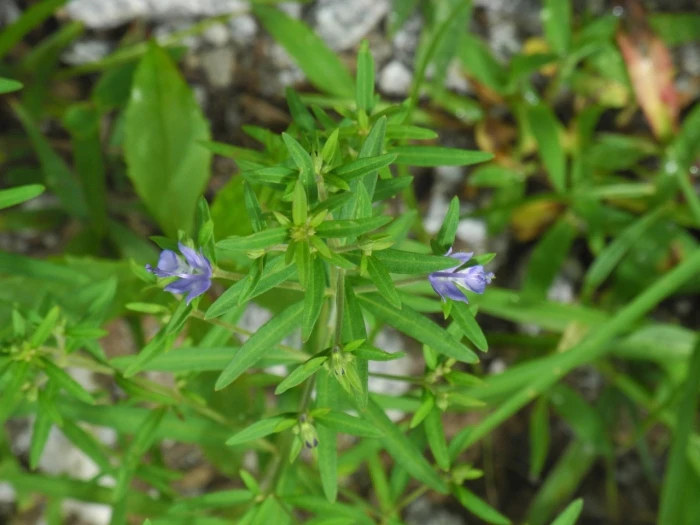
Narrowleaf Bluecurls (Trichostema setaceum)
/



Michael J. Papay
CC BY 4.0

Image By:
Michael J. Papay
Recorded By:
Copyright:
CC BY 4.0
Copyright Notice:
Photo by: Michael J. Papay | License Type: CC BY 4.0 | License URL: http://creativecommons.org/licenses/by/4.0/ | Rights Holder: Michael J. Papay | Publisher: iNaturalist | Date Created: 2021-07-15T09:22:48-07:00 |





Summary
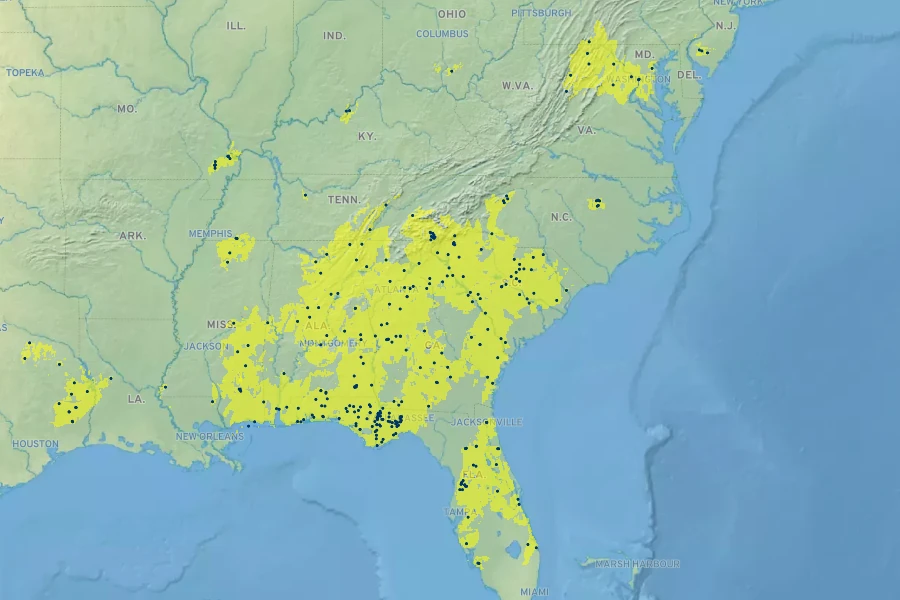
Trichostema setaceum, commonly known as narrowleaf bluecurls, is an annual herb native to the southeastern United States, particularly found in pine flatwoods, sandhills, and rocky uplands. It is adapted to well-drained, sandy or rocky soils and thrives in full sun to part shade. This plant typically reaches up to 20 inches in height and produces striking purple-blue flowers with distinctive, long, curled stamens that extend beyond the petals, blooming from late summer to fall (September to October). The flowers are highly attractive to bees and other pollinators.
Narrowleaf bluecurls are valued for their ornamental flowers and are used in wildflower gardens, native plant landscapes, and restoration projects. They require minimal maintenance once established, with no fertilization required. Despite its beauty, it is listed as endangered in Kentucky, New York, Ohio, and Pennsylvania, and critically imperiled in Missouri, indicating its vulnerability in the wild. Gardeners interested in conservation may choose to cultivate this species to support its preservation.CC BY-SA 4.0
Narrowleaf bluecurls are valued for their ornamental flowers and are used in wildflower gardens, native plant landscapes, and restoration projects. They require minimal maintenance once established, with no fertilization required. Despite its beauty, it is listed as endangered in Kentucky, New York, Ohio, and Pennsylvania, and critically imperiled in Missouri, indicating its vulnerability in the wild. Gardeners interested in conservation may choose to cultivate this species to support its preservation.CC BY-SA 4.0
Plant Description
- Plant Type: Herb
- Height: 1-1.5 feet
- Width: 0.5-1 feet
- Growth Rate: Rapid
- Flower Color: Blue, Purple
- Flowering Season: Summer, Fall
- Leaf Retention:
Growth Requirements
- Sun: Full Sun
- Drainage: Medium, Fast
Common Uses
Bee Garden, Butterfly Garden, Drought Tolerant, Low Maintenance
Natural Habitat
Pine flatwoods, sandhills, and rocky uplands
Other Names
Common Names: Narrowleaf bluecurls, Slender bluecurls
Scientific Names: Trichostema setaceum, Trichostema dichotomum var. lineare, Trichostema lineare, Trichostema lineare, Trichostema linearifolium
GBIF Accepted Name: Trichostema setaceum