Mojave Toothleaf
/
(Stillingia paucidentata)
Mojave Toothleaf (Stillingia paucidentata)
/


Chloe and Trevor Van Loon
CC BY 4.0

Image By:
Chloe and Trevor Van Loon
Recorded By:
Copyright:
CC BY 4.0
Copyright Notice:
Photo by: Chloe and Trevor Van Loon | License Type: CC BY 4.0 | License URL: http://creativecommons.org/licenses/by/4.0/ | Rights Holder: Chloe and Trevor Van Loon | Publisher: iNaturalist | Date Created: 2022-04-30T14:13:35-07:00 |





Summary
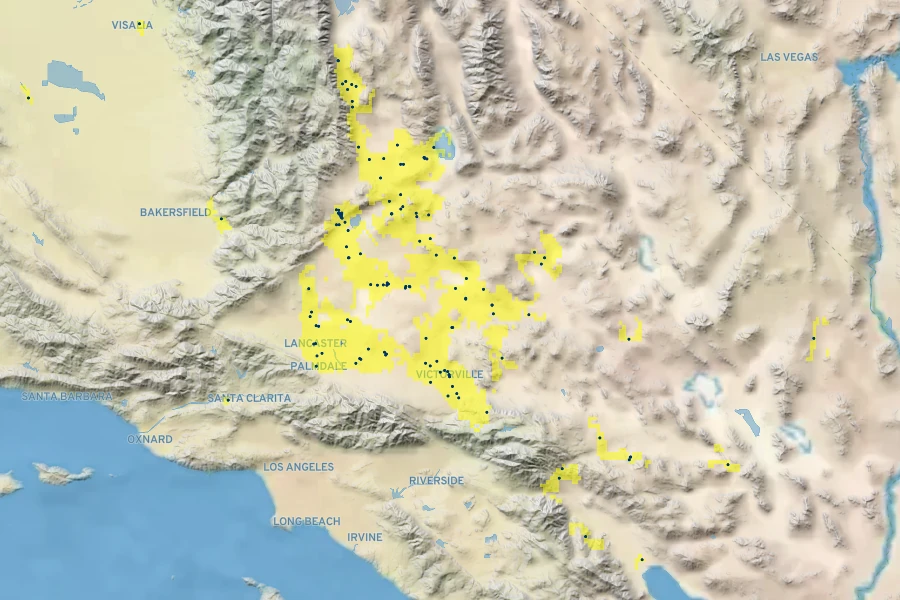
Stillingia paucidentata, commonly known as Mojave toothleaf, is a perennial herb native to the Mojave Desert in southeastern California and potentially extending into western Arizona. It thrives in its native habitat of sandy washes and dry slopes within desert scrub communities. This plant typically flowers from March to May, with fruiting occurring in May and June. Mojave toothleaf is characterized by its narrow, toothed leaves and inconspicuous yellow-green flowers that are not particularly showy. However, it is valued for its ability to adapt to arid conditions and its role in desert ecology as a native species.
Mojave toothleaf is not commonly cultivated but may be of interest for xeriscaping or natural desert landscaping due to its low water requirements and ability to thrive in poor, well-drained sandy soils. It prefers full sun exposure and is tolerant of the extreme temperatures found in desert environments. While not widely used, it can contribute to the biodiversity of a garden designed with native plants and water conservation in mind. There are no popular garden cultivars of this species, and it is generally free from major diseases or pests. However, its potential to spread outside of its native range should be monitored. CC BY-SA 4.0
Mojave toothleaf is not commonly cultivated but may be of interest for xeriscaping or natural desert landscaping due to its low water requirements and ability to thrive in poor, well-drained sandy soils. It prefers full sun exposure and is tolerant of the extreme temperatures found in desert environments. While not widely used, it can contribute to the biodiversity of a garden designed with native plants and water conservation in mind. There are no popular garden cultivars of this species, and it is generally free from major diseases or pests. However, its potential to spread outside of its native range should be monitored. CC BY-SA 4.0
Plant Description
- Plant Type: Herb
- Height: 1-3 feet
- Width: 1-2 feet
- Growth Rate: Moderate
- Flower Color: Green, Red, Yellow
- Flowering Season: Spring, Summer
- Leaf Retention: Deciduous
Growth Requirements
- Sun: Full Sun, Part Shade
- Drainage: Medium, Fast
Common Uses
Drought Tolerant, Low Maintenance, Rock Garden
Natural Habitat
Native to sandy washes and dry slopes within desert scrub communities in the Mojave Desert
Other Names
Common Names:
Scientific Names: Stillingia paucidentata, Stillingia linearifolia var. paucidentata
GBIF Accepted Name: Stillingia paucidentata