Mt. Albert Goldenrod
/
(Solidago glutinosa)
Mt. Albert Goldenrod (Solidago glutinosa)
/


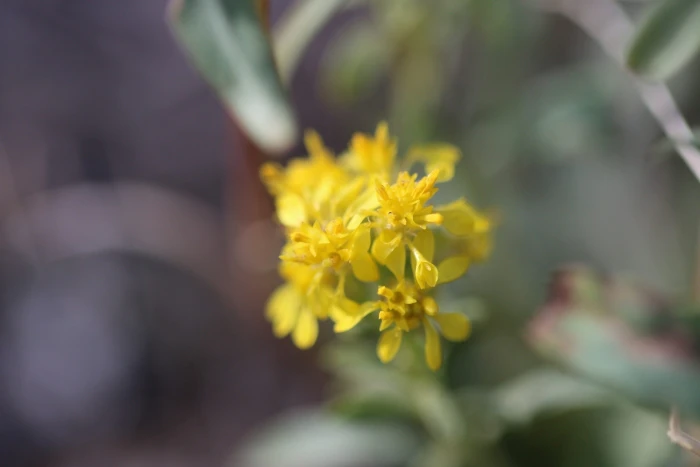

© Megan Blackmore
CC BY 4.0






Summary
Sticky goldenrod is appreciated for its adaptability to different soil types, from clay to sandy loams, and its ability to thrive in both dry and moist conditions, though it prefers well-drained soils. It is often used in wildflower gardens, naturalized areas, and for erosion control due to its extensive root system. While it is low-maintenance, it can spread rapidly and may require management to prevent unwanted spread in garden settings. It is also valued for its medicinal properties and is sometimes used in traditional remedies.CC BY-SA 4.0
Plant Description
- Plant Type: Herb
- Height: 3-4 feet
- Width: 2-3 feet
- Growth Rate: Moderate
- Flower Color: Yellow
- Flowering Season: Fall
- Leaf Retention: Deciduous
Growth Requirements
- Sun: Full Sun, Part Shade
- Drainage: Medium
Common Uses
Bee Garden, Bird Garden, Border Plant, Butterfly Garden, Drought Tolerant, Low Maintenance
Natural Habitat
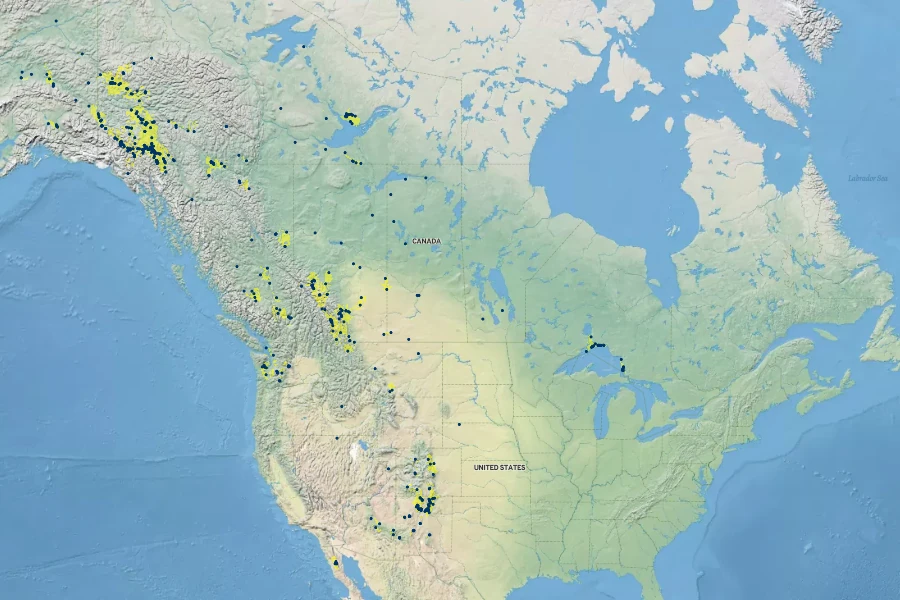
native to a variety of habitats including open fields, meadows, forest clearings, and along roadsides in Canada, the western United States, and northern Mexico
Other Names
Common Names: Sticky Goldenrod, Viscid Goldenrod, Decumbent Goldenrod, Mountain Goldenrod, Narrow Goldenrod, Spike-Like Goldenrod
Scientific Names: Solidago glutinosa, Aster bonplandii, Aster confertiflorus, Aster confertiflorus (de, Solidago aureola, Solidago confertiflora, Solidago decumbens, Solidago decumbens var. oreophila, Solidago multiradiata var. neomexicana, Solidago neomexicana
GBIF Accepted Name: Solidago glutinosa