Mourningbride
/
(Sixalix atropurpurea)
Mourningbride (Sixalix atropurpurea)
/


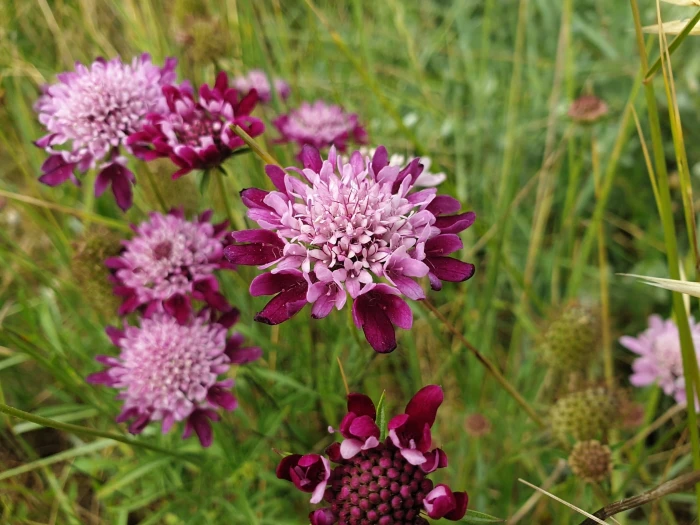

© Clément Maouche
CC BY 4.0

Image By:
© Clément Maouche
Recorded By:
Copyright:
CC BY 4.0
Copyright Notice:
Photo by: © Clément Maouche | License Type: CC BY 4.0 | License URL: http://creativecommons.org/licenses/by/4.0/ | Uploader: clementm | Publisher: iNaturalist |





Summary
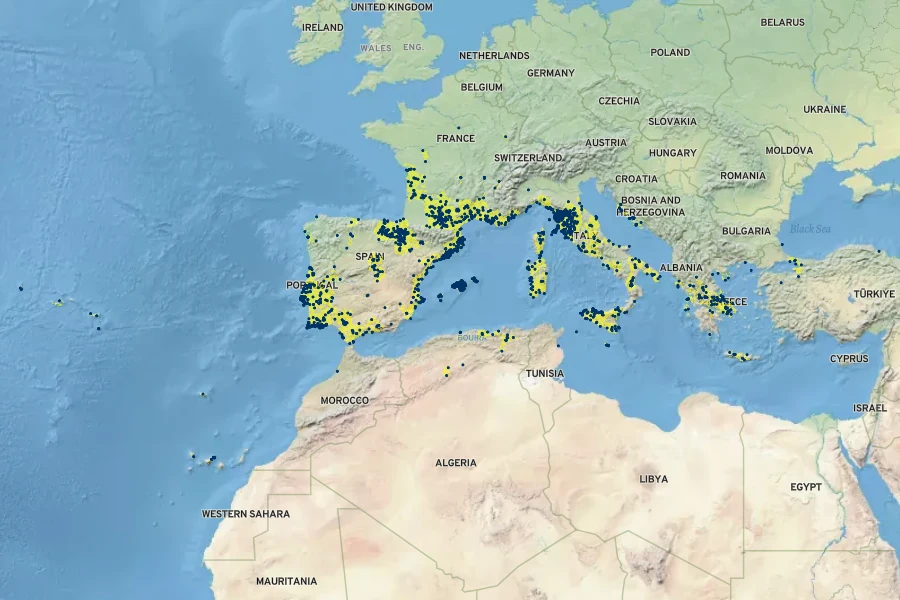
Sixalix atropurpurea, commonly known as the mourningbride or sweet scabious, is a perennial herb native to the stony slopes and grasslands of the Mediterranean region, including southern Europe. It typically grows to a height of 1-3 feet (30-90 cm) and features a basal rosette of leaves with tall, branching stems. The plant is known for its dense clusters of red to purple flowers that bloom from late spring to early autumn, providing a long season of visual interest. The flowers are highly attractive to pollinators and are considered showy, making them a popular choice for ornamental gardens.
Mourningbride is valued for its vibrant flowers and is commonly used in border plantings, cottage gardens, and as a cut flower due to its long stems and lasting qualities in floral arrangements. It requires well-drained, alkaline soils and performs best in full sun to part shade. While it thrives in cooler climates, it can tolerate some heat. Gardeners should be aware that Sixalix atropurpurea can self-seed prolifically under favorable conditions and may require management to prevent unwanted spread. In regions where it has become invasive, such as California, it can outcompete native grassland species, and its cultivation may be discouraged or regulated. It has been found to become invasive outside its native range, including California and South Australia.CC BY-SA 4.0
Mourningbride is valued for its vibrant flowers and is commonly used in border plantings, cottage gardens, and as a cut flower due to its long stems and lasting qualities in floral arrangements. It requires well-drained, alkaline soils and performs best in full sun to part shade. While it thrives in cooler climates, it can tolerate some heat. Gardeners should be aware that Sixalix atropurpurea can self-seed prolifically under favorable conditions and may require management to prevent unwanted spread. In regions where it has become invasive, such as California, it can outcompete native grassland species, and its cultivation may be discouraged or regulated. It has been found to become invasive outside its native range, including California and South Australia.CC BY-SA 4.0
Plant Description
- Plant Type: Herb
- Height: 1-2 feet
- Width: 1-1.5 feet
- Growth Rate: Moderate
- Flower Color: Purple
- Flowering Season: Summer
- Leaf Retention: Evergreen
Growth Requirements
- Sun: Full Sun
- Drainage: Fast
Common Uses
Border Plant, Butterfly Garden, Drought Tolerant, Low Maintenance, Rock Garden
Natural Habitat
Stony slopes and grasslands of the Mediterranean region
Other Names
Common Names: Sea Carrot, Purple Sea Carrot
Scientific Names: Sixalix atropurpurea, Scabiosa arvensis, Scabiosa arvensis, Scabiosa columbaria
GBIF Accepted Name: Sixalix atropurpurea