Flaxleaf Plainsmustard
/
(Sisymbrium linifolium)
Flaxleaf Plainsmustard (Sisymbrium linifolium)
/


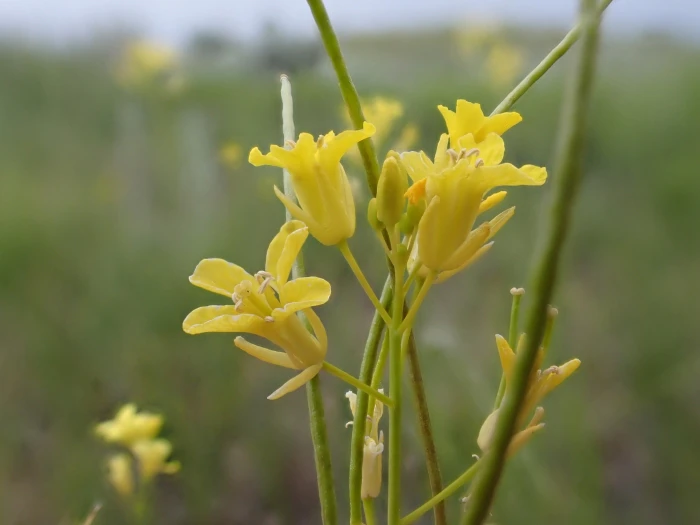

© Matt Lavin
CC BY 4.0






Summary
Flaxleaf plainsmustard is recognized for its fine-textured, linear leaves that resemble flax, hence the common name. It produces small, inconspicuous yellow flowers that bloom in the warmer months. While not known for showy blooms, it can be used in native plant gardens or restoration projects where its ability to adapt to various soil types and conditions is beneficial. It requires minimal water once established, making it suitable for xeriscaping. However, gardeners should be cautious as Sisymbrium linifolium can become invasive outside its native range, so it is essential to check local regulations before planting.CC BY-SA 4.0
Plant Description
- Plant Type: Herb
- Height: 1.5-3 feet
- Width: 1-2 feet
- Growth Rate: Rapid
- Flower Color: Yellow
- Flowering Season: Spring, Summer
- Leaf Retention: Deciduous
Growth Requirements
- Sun: Full Sun, Part Shade
- Drainage: Fast
Common Uses
Drought Tolerant, Edible*Disclaimer: Easyscape's listed plant edibility is for informational use. Always verify the safety and proper identification of any plant before consumption., Low Maintenance
Natural Habitat
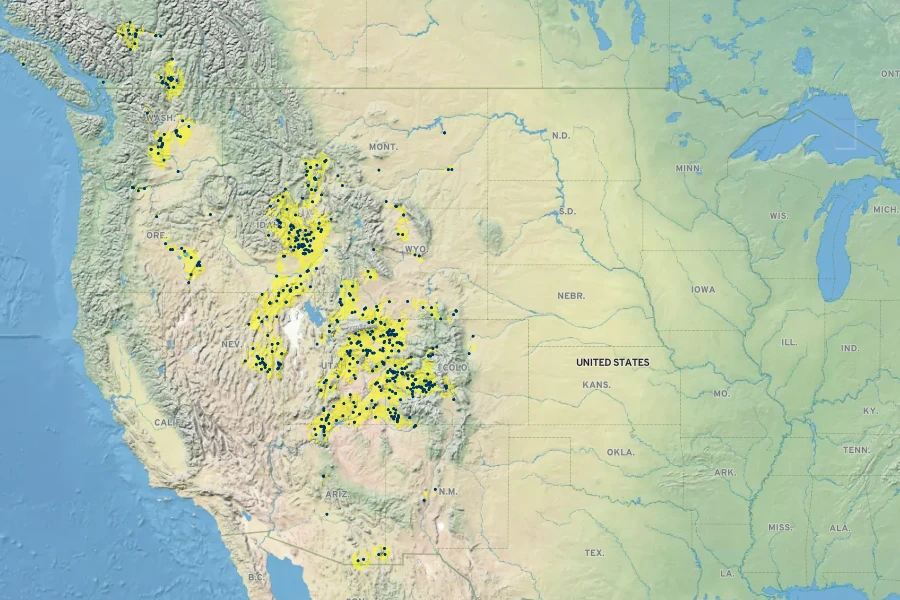
Native to salt-desert shrublands, sagebrush steppes, pinyon-juniper woodlands, and montane regions with Ponderosa pine and trembling aspen
Other Names
Common Names: Flaxleaf Wallrocket, Salmon River Plains Mustard, Lava Cress, Rush Mustard, Skeleton Mustard, Slim-Leaved Plains Mustard, Flax-leaved Rocket
Scientific Names: Sisymbrium linifolium, Erysimum glaberrimum, Erysimum linifolium, Hesperis linifolia, Nasturtium linifolium, Nasturtium pumilum, Schoenocrambe decumbens, Schoenocrambe linifolia, Schoenocrambe linifolia var. pinnata
GBIF Accepted Name: Sisymbrium linifolium