Bladder Campion
/
(Silene latifolia subsp. alba)
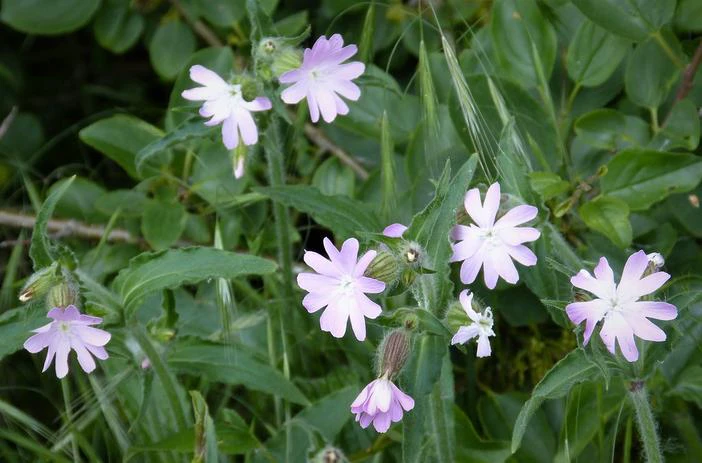
Bladder Campion (Silene latifolia subsp. alba)
/



gailhampshire
CC BY 2.0

Image By:
gailhampshire
Recorded By:
Copyright:
CC BY 2.0
Copyright Notice:
Photo by: gailhampshire | License Type: CC BY 2.0 | License URL: https://creativecommons.org/licenses/by/2.0/ | Uploader: gailhampshire | Publisher: Flickr





Summary
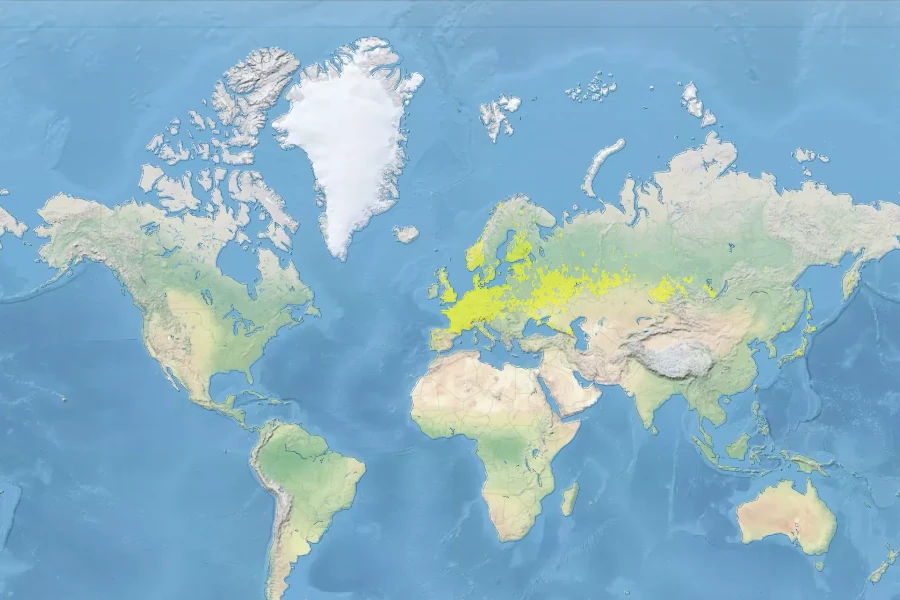
Silene latifolia subsp. alba, commonly known as White Cockle, White Campion, or Evening Lychnis, is a perennial herb native to a variety of habitats in Europe, Asia, and North Africa, including open woodlands, grasslands, and along riverbanks. It is often found in fields, roadsides, and disturbed areas, indicating its adaptability to a range of conditions. This plant typically grows at a moderate rate to a height and width of 1.5-3 feet (0.46-0.9 meters). It features lance-shaped leaves and white, showy flowers with deeply notched petals that bloom in the summer, exuding a delicate fragrance in the evening.
White Cockle is valued for its attractive, night-scented flowers and its ability to thrive in poor soils, making it a suitable choice for wildflower meadows and informal garden settings. It is also used in border plantings and as a filler in cottage gardens. While it prefers full sun or part shade, it is not particularly fussy about soil type, tolerating clay, loam, or sandy soils with medium drainage. Regular watering will help maintain its vigor, but it can also withstand periods of drought once established. Gardeners should be aware that Silene latifolia subsp. alba can self-seed prolifically, potentially becoming invasive in some regions. It is advisable to deadhead spent flowers to prevent unwanted spread.CC BY-SA 4.0
White Cockle is valued for its attractive, night-scented flowers and its ability to thrive in poor soils, making it a suitable choice for wildflower meadows and informal garden settings. It is also used in border plantings and as a filler in cottage gardens. While it prefers full sun or part shade, it is not particularly fussy about soil type, tolerating clay, loam, or sandy soils with medium drainage. Regular watering will help maintain its vigor, but it can also withstand periods of drought once established. Gardeners should be aware that Silene latifolia subsp. alba can self-seed prolifically, potentially becoming invasive in some regions. It is advisable to deadhead spent flowers to prevent unwanted spread.CC BY-SA 4.0
Plant Description
- Plant Type: Herb
- Height: 1.5-3 feet
- Width: 1.5-3 feet
- Growth Rate: Moderate
- Flower Color: White
- Flowering Season: Summer
- Leaf Retention: Deciduous
Growth Requirements
- Sun: Full Sun, Part Shade
- Drainage: Medium
Common Uses
Border Plant, Butterfly Garden, Low Maintenance
Natural Habitat
Native to a variety of habitats in Europe, Asia, and North Africa, including open woodlands, grasslands, and along riverbanks
Other Names
Common Names: White Campion, Evening Lychnis, White Cockle
Scientific Names: Evening Lychnis, White Campion
GBIF Accepted Name: Silene latifolia subsp. alba