Russet Buffaloberry
/
(Shepherdia canadensis)
Russet Buffaloberry (Shepherdia canadensis)
/


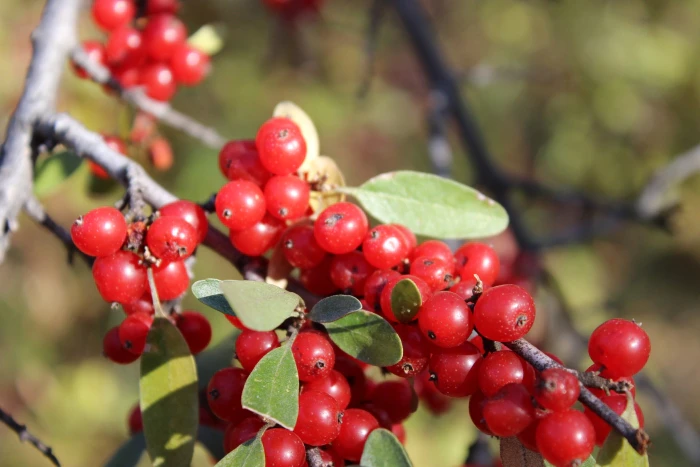

Lazarus000
CC BY-SA 4.0







Summary
Russet Buffaloberry is valued for its hardiness and adaptability to various soil conditions, making it a suitable choice for naturalized plantings and wildlife gardens. It is often used for erosion control and as a windbreak due to its dense growth habit. The plant thrives in full sun to partial shade with well-drained soil. While it is not typically prone to serious disease or pest issues, overwatering can lead to root rot. The berries are a food source for birds and can be used to make preserves or jellies by those who appreciate their unique taste.CC BY-SA 4.0
Plant Description
- Plant Type: Shrub
- Height: 6-8 feet
- Width: 6-8 feet
- Growth Rate: Rapid
- Flower Color: N/A
- Flowering Season: Spring
- Leaf Retention: Deciduous
Growth Requirements
- Sun: Full Sun
- Drainage: Fast, Medium
Common Uses
Bee Garden, Butterfly Garden, Deer Resistant, Drought Tolerant, Edible*Disclaimer: Easyscape's listed plant edibility is for informational use. Always verify the safety and proper identification of any plant before consumption., Fire Resistant, Fragrant, Low Maintenance, Salt Tolerant
Natural Habitat
native to a variety of habitats including open woodlands, thickets, riverbanks, and moist areas across Canada and the north and northwestern United States, particularly the Intermountain West
Other Names
Common Names: Canada Buffaloberry, Bitterberry, Low Buffaloberry, Soapberry, Foamberry, Soopolallie, Shéferdie Du Canada, Shépherdie Du Canada
Scientific Names: Shepherdia canadensis, Lepargyrea canadensis, Elaeagnus canadensis, Hippophae canadensis, Shepherdia canadensis f. canadensis, Lepargyraea canadensis, Shepherdia canadensis f. xanthocarpa
GBIF Accepted Name: Shepherdia canadensis (L.) Nutt.