Mt. Hamilton Mock Stonecrop
/
(Sedella pentandra)
Mt. Hamilton Mock Stonecrop (Sedella pentandra)
/


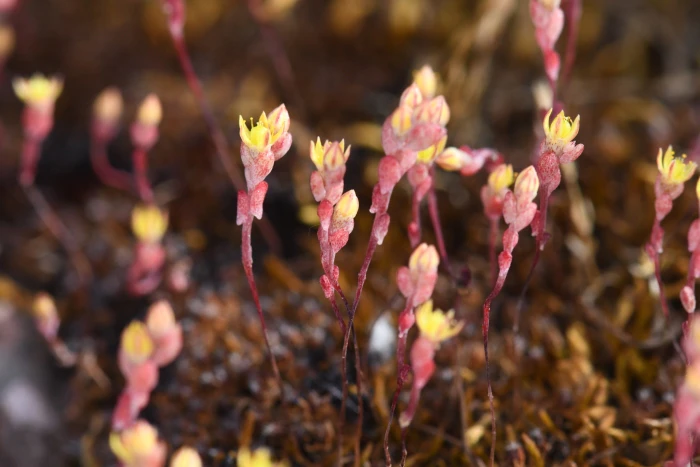

Chloe and Trevor Van Loon
CC BY 4.0

Image By:
Chloe and Trevor Van Loon
Recorded By:
Copyright:
CC BY 4.0
Copyright Notice:
Photo by: Chloe and Trevor Van Loon | License Type: CC BY 4.0 | License URL: http://creativecommons.org/licenses/by/4.0/ | Rights Holder: Chloe and Trevor Van Loon | Publisher: iNaturalist | Date Created: 2023-05-12T15:31:50-07:00 |





Summary
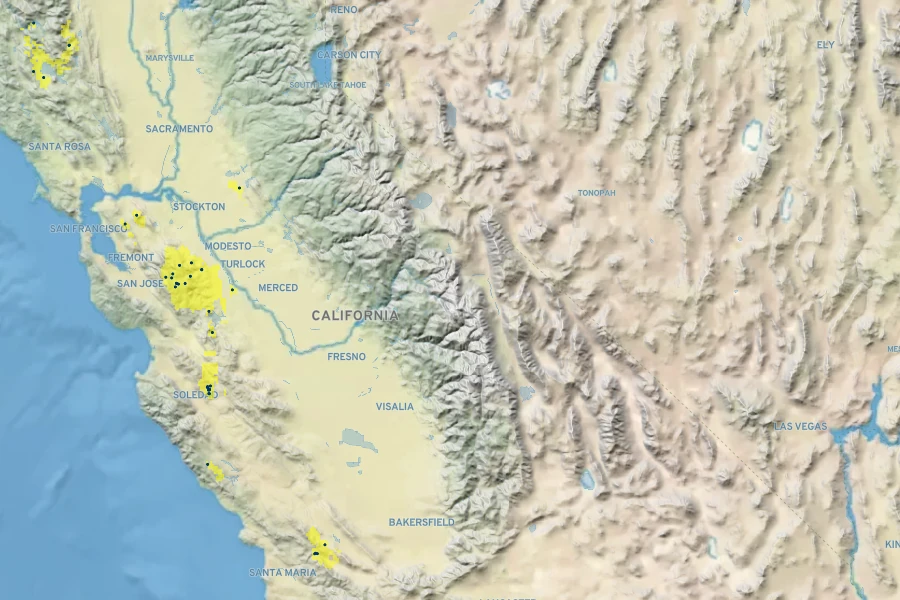
Sedella pentandra, commonly known as Mt. Hamilton mock stonecrop, is an annual succulent herb native to the rocky outcrops and serpentine soils of the Central Coast Ranges, as well as some areas of the Central Valley and the California coastline. It is a diminutive plant, rarely exceeding 3 inches in height, with small, fleshy leaves and clusters of tiny, star-shaped flowers with yellowish petals that bloom in the spring. The plant’s low stature and modest flower display make it less conspicuous, yet it adds a unique texture and interest to rock gardens and alpine collections.
Mt. Hamilton mock stonecrop thrives in well-drained, rocky or sandy soils, typically those derived from sandstone or serpentine. It is drought-tolerant, requiring minimal water once established, and prefers full sun to partial shade. In cultivation, it is valued for its adaptability to challenging soil conditions and its ability to fill crevices in rock walls or garden paths. While not widely used, it can serve as a ground cover in xeriscapes or native plant gardens. Its succulent nature makes it resistant to many pests, but it can be sensitive to overwatering and root rot.CC BY-SA 4.0
Mt. Hamilton mock stonecrop thrives in well-drained, rocky or sandy soils, typically those derived from sandstone or serpentine. It is drought-tolerant, requiring minimal water once established, and prefers full sun to partial shade. In cultivation, it is valued for its adaptability to challenging soil conditions and its ability to fill crevices in rock walls or garden paths. While not widely used, it can serve as a ground cover in xeriscapes or native plant gardens. Its succulent nature makes it resistant to many pests, but it can be sensitive to overwatering and root rot.CC BY-SA 4.0
Plant Description
- Plant Type: Herb
- Height: 0.1-0.3 feet
- Width: 0.5-1 feet
- Growth Rate: Moderate
- Flower Color: Red, Yellow
- Flowering Season: Spring, Summer
- Leaf Retention:
Growth Requirements
- Sun: Full Sun
- Drainage: Fast
Common Uses
Drought Tolerant, Low Maintenance, Rock Garden
Natural Habitat
Native to rocky outcrops and serpentine soils of the Central Coast Ranges, Central Valley, and California coastline
Other Names
Common Names: Five-stamen Sedella, Rock Lettuce
Scientific Names: Sedella pentandra, Parvisedum pentandrum, Sedum pentandrum
GBIF Accepted Name: Sedella pentandra