Small Burnet
/
(Sanguisorba minor)
Small Burnet (Sanguisorba minor)
/


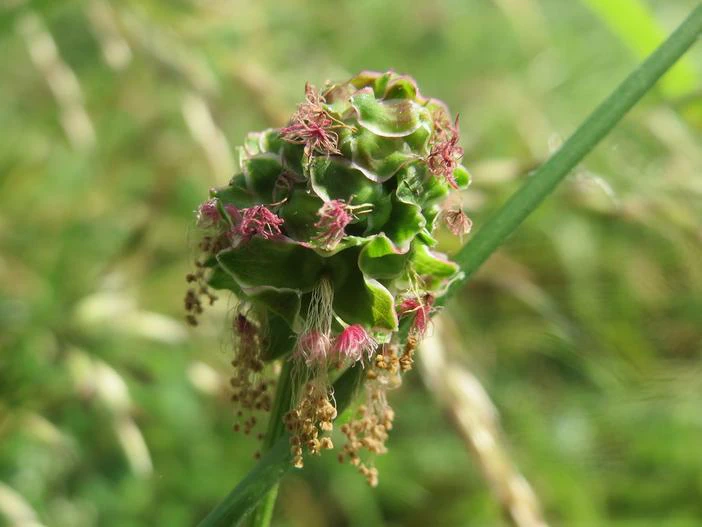

Andreas Rockstein
CC BY-SA 2.0







Summary
Small Burnet is valued for its low maintenance, drought tolerance, and the fine texture of its foliage. It is often used in herb gardens, as an edging plant, or in naturalized meadow plantings. It is also appreciated for its culinary uses; the leaves have a cucumber-like flavor and are used in salads and as a garnish. In terms of cultivation, Small Burnet prefers full sun but can tolerate part shade, and it is adaptable to a variety of soil types, including those with poor fertility. While generally disease-free, it can occasionally suffer from rust or powdery mildew in humid conditions. It is generally not ***invasive***, but it has been reported ***invasive*** at a pasture site in Wyoming.CC BY-SA 4.0
Plant Description
- Plant Type: Herb
- Height: 1-2 feet
- Width: 1-2 feet
- Growth Rate: Moderate
- Flower Color: Green, Red
- Flowering Season: Spring
- Leaf Retention: Evergreen
Growth Requirements
- Sun: Full Sun, Part Shade
- Drainage: Fast, Medium, Slow
Common Uses
Bank Stabilization, Bee Garden, Border Plant, Deer Resistant, Drought Tolerant, Edible*Disclaimer: Easyscape's listed plant edibility is for informational use. Always verify the safety and proper identification of any plant before consumption., Erosion Control, Fire Resistant, Fragrant, Groundcover, Low Maintenance, Potted Plant, Salt Tolerant, Street Planting
Natural Habitat
native to a range of habitats including grasslands, meadows, and rocky hillsides across Europe, extending to the Mediterranean region
Other Names
Common Names:
Scientific Names: Sanguisorba minor, Poterium sanguisorba subsp. sanguisorba, Sanguisorba minor subsp. minor, Pimpinella sanguisorba, Poterium dictyocarpum, Sanguisorba minor subsp. dictyocarpa, Poterium guestphalicum, Poterium maroccanum, Sanguisorba sanguisorba
GBIF Accepted Name: Poterium sanguisorba subsp. sanguisorba