Northwest Sandbar Willow
/
(Salix sessilifolia)
Northwest Sandbar Willow (Salix sessilifolia)
/


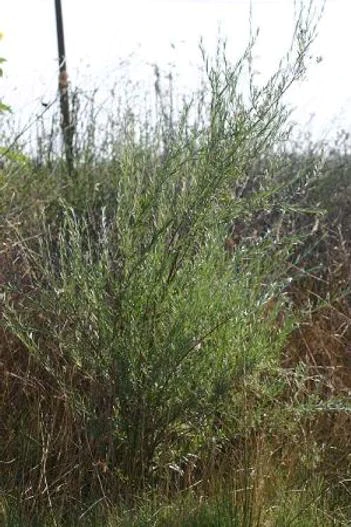

Stephen Laymon, Bureau of Land Management
Public domain






Summary
Northwest Sandbar Willow is valued for its ability to stabilize soil and prevent erosion in its native habitat. It is often used in restoration projects and naturalized plantings. The plant thrives in full sun to part shade and prefers moist to wet soil conditions, making it suitable for planting in bioswales and near water features. It is relatively low-maintenance but can be susceptible to willow beetle and fungal diseases. Pruning may be necessary to maintain desired shape and size or to remove damaged branches.CC BY-SA 4.0
Plant Description
- Plant Type: Shrub, Tree
- Height: 1-3 feet
- Width: 1-3 feet
- Growth Rate: Rapid
- Flower Color: N/A
- Flowering Season: Spring, Summer
- Leaf Retention: Deciduous
Growth Requirements
- Sun: Full Sun, Part Shade
- Drainage: Fast, Medium
Common Uses
Bank Stabilization, Erosion Control, Low Maintenance, Water Garden
Natural Habitat
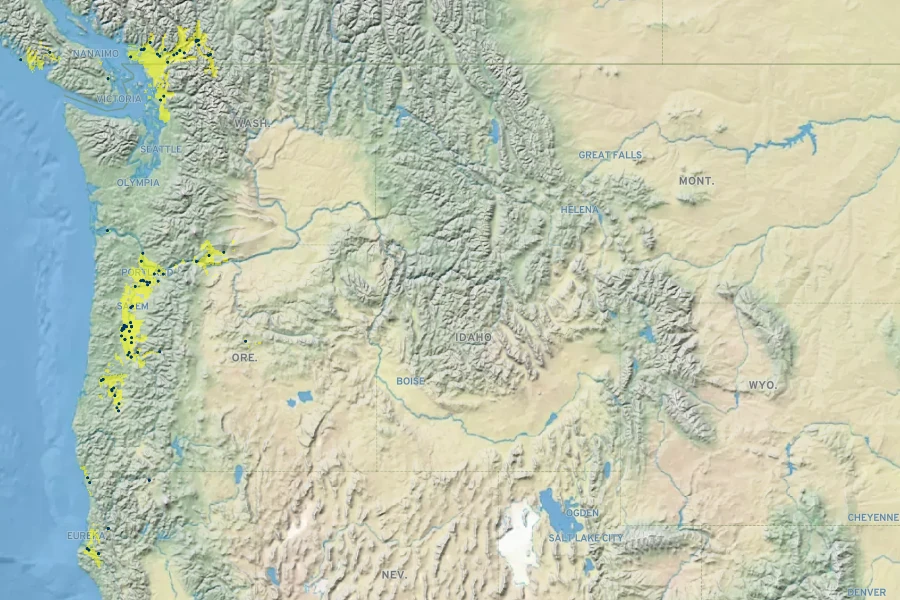
Native to riparian zones along the west coast of North America from British Columbia through Washington to Oregon
Other Names
Common Names: Dwarf Willow, Northwest Willow, Sandbar Willow, Sessile-Leaved Sandbar Willow, Longleaf Willow, River Willow, Sessile-Leaved Willow, Soft-Leaved Willow
Scientific Names: Salix sessilifolia, Salix exigua var. sessilifolia, Salix fluviatilis f. villosa, Salix fluviatilis var. sessilifolia, Salix longifolia var. sessilifolia, Salix macrostachya, Salix macrostachya var. cusickii, Salix macrostachys, Salix macrostachys var. cusickii
GBIF Accepted Name: Salix sessilifolia