Halberd Willow
/
(Salix hastata subsp. vegeta)
Halberd Willow (Salix hastata subsp. vegeta)
/





Image By:
Recorded By:
Copyright:
Copyright Notice:




Summary
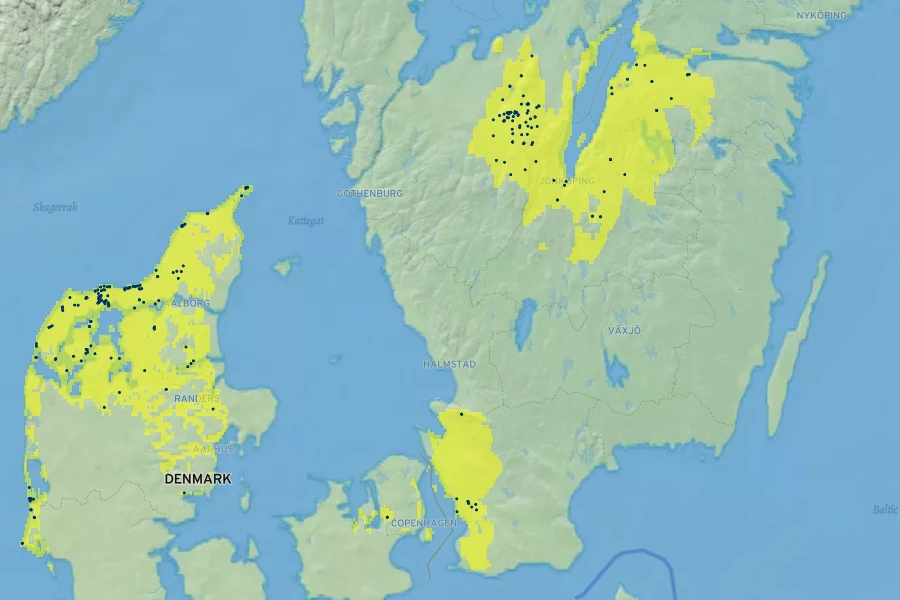
Salix hastata subsp. vegeta, commonly known as the Halberd Willow, is a deciduous shrub native to the riparian zones, wet meadows, and marshy areas of the montane and subalpine regions in Europe and Western Asia. It typically grows to a height of 6-12 feet (1.8-3.7 meters) and is characterized by its upright, multi-stemmed form. The leaves are lance-shaped, resembling a halberd, which is reflected in its common name. The Halberd Willow produces catkins that are not particularly showy but are of interest to wildlife. It is valued in cultivation for its ability to thrive in wet conditions and for its use in stabilizing soil in riparian restoration projects.
The Halberd Willow is well-suited for wet garden areas, bioswales, and alongside ponds or streams where it can tolerate periodic flooding. It prefers full sun to part shade and grows best in loamy or clay soils with medium to slow drainage. While it requires high amounts of water, it is relatively low maintenance once established. Gardeners should be aware that willows can have aggressive roots that may interfere with underground utilities or structures. Additionally, willows are susceptible to pests such as aphids and diseases like willow scab and black canker.CC BY-SA 4.0
The Halberd Willow is well-suited for wet garden areas, bioswales, and alongside ponds or streams where it can tolerate periodic flooding. It prefers full sun to part shade and grows best in loamy or clay soils with medium to slow drainage. While it requires high amounts of water, it is relatively low maintenance once established. Gardeners should be aware that willows can have aggressive roots that may interfere with underground utilities or structures. Additionally, willows are susceptible to pests such as aphids and diseases like willow scab and black canker.CC BY-SA 4.0
Plant Description
- Plant Type: Shrub
- Height: 6-12 feet
- Width: 4-6 feet
- Growth Rate: Moderate
- Flower Color: N/A
- Flowering Season: Spring
- Leaf Retention: Deciduous
Growth Requirements
- Sun: Full Sun, Part Shade
- Drainage: Medium, Slow
Common Uses
Bank Stabilization, Erosion Control, Water Garden
Natural Habitat
Native to riparian zones, wet meadows, and marshy areas of montane and subalpine regions in Europe and Western Asia
Other Names
Common Names:
Scientific Names: Salix hastata subsp. vegeta, Salix hastata subsp. vegeta, Salix hastata var. pilosa, Salix hastata var. vegeta
GBIF Accepted Name: Salix hastata subsp. vegeta