American Cupscale
/
(Sacciolepis striata)
American Cupscale (Sacciolepis striata)
/



mfeaver
CC BY 4.0

Image By:
mfeaver
Recorded By:
Copyright:
CC BY 4.0
Copyright Notice:
Photo by: mfeaver | License Type: CC BY 4.0 | License URL: http://creativecommons.org/licenses/by/4.0/ | Rights Holder: mfeaver | Publisher: iNaturalist | Date Created: 2019-09-22T09:00:56-07:00 |





Summary
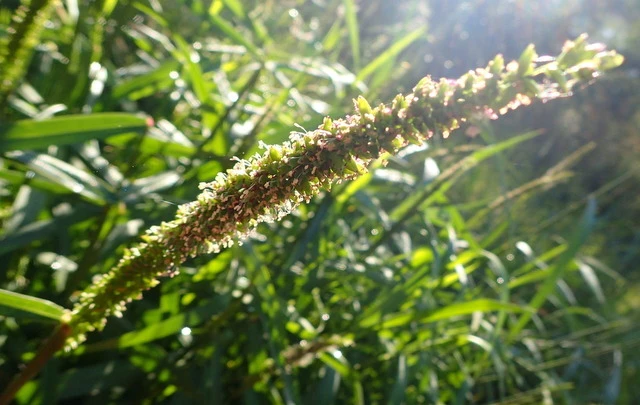
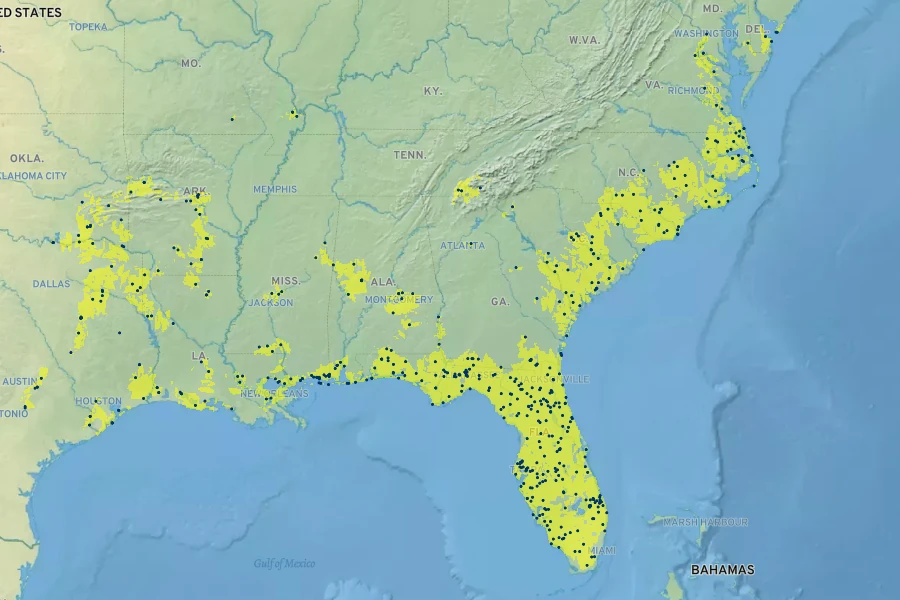
Sacciolepis striata, commonly known as American cupscale, is an annual grass native to wetlands, marshes, and other moist, open habitats in the southeastern United States. It is adapted to grow in full sun and can reach up to 3 feet in height. This species thrives in wet, muddy soils and is commonly found along the edges of ponds, streams, and in ditches. Its preference for moist environments makes it an indicator species for wetland areas.
American cupscale has a fibrous root system that helps stabilize soil, making it useful for erosion control in appropriate areas. It is often used in restoration projects for wetland habitats due to its ability to thrive in saturated soils. While it is not known for showy flowers, its presence can enhance the biodiversity of wetland plant communities. In cultivation, it requires consistent moisture and does not tolerate drought conditions well. It is best suited for rain gardens, water features, or naturalized areas where its growth can be managed to prevent unwanted spread. Gardeners should be cautious when introducing it to non-native areas, as Sacciolepis striata can spread outside its natural range, potentially outcompeting local flora.CC BY-SA 4.0
American cupscale has a fibrous root system that helps stabilize soil, making it useful for erosion control in appropriate areas. It is often used in restoration projects for wetland habitats due to its ability to thrive in saturated soils. While it is not known for showy flowers, its presence can enhance the biodiversity of wetland plant communities. In cultivation, it requires consistent moisture and does not tolerate drought conditions well. It is best suited for rain gardens, water features, or naturalized areas where its growth can be managed to prevent unwanted spread. Gardeners should be cautious when introducing it to non-native areas, as Sacciolepis striata can spread outside its natural range, potentially outcompeting local flora.CC BY-SA 4.0
Plant Description
- Plant Type: Grass
- Height: 1.5-3 feet
- Width: 1-2 feet
- Growth Rate: Moderate
- Flower Color: N/A
- Flowering Season: Summer, Fall
- Leaf Retention: Deciduous
Growth Requirements
- Sun: Full Sun, Part Shade
- Drainage: Medium, Slow
Common Uses
Erosion Control, Low Maintenance
Natural Habitat
Wetlands, marshes, and other moist, open habitats in the southeastern United States
Other Names
Common Names: Cupscale Grass, Basketgrass, Indian Cupscale
Scientific Names: Sacciolepis striata, Holcus striatus, Hymenachne striata, Panicum aquaticum, Panicum aquaticum, Panicum aquaticum, Panicum bermudianum, Panicum boscianum, Panicum elliottianum
GBIF Accepted Name: Sacciolepis striata