Shiny Coneflower
/
(Rudbeckia nitida)
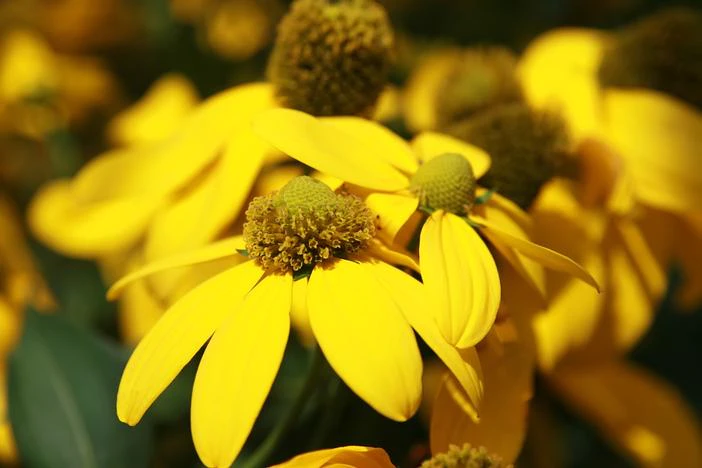
Shiny Coneflower (Rudbeckia nitida)
/



David J. Stang
CC BY-SA 4.0

Image By:
David J. Stang
Recorded By:
Copyright:
CC BY-SA 4.0
Copyright Notice:
Photo by: David J. Stang | License Type: CC BY-SA 4.0 | License URL: https://creativecommons.org/licenses/by-sa/4.0 | Uploader: David Stang | Publisher: Wikipedia Commons





Summary
Rudbeckia nitida, commonly known as Shiny Coneflower, is a deciduous perennial herb native to moist meadows, wet prairies, and stream banks in the Southeastern United States. It typically grows to a height of 5-8 feet (1.5-2.4 meters) with a spread of up to 4 feet (1.2 meters). The plant features tall, sturdy stems and lance-shaped leaves, with bright yellow, daisy-like flowers that bloom from late summer to early fall, providing a long-lasting display of color.
Shiny Coneflower is valued for its showy flowers and ability to attract pollinators such as butterflies and bees. It is often used in naturalistic plantings, rain gardens, and as a back-of-the-border plant in perennial gardens. It thrives in full sun but can tolerate partial shade and prefers consistently moist, well-drained soils. While it is generally low-maintenance, it can be susceptible to powdery mildew and should be spaced properly to ensure good air circulation. Deadheading can encourage additional blooming.CC BY-SA 4.0
Shiny Coneflower is valued for its showy flowers and ability to attract pollinators such as butterflies and bees. It is often used in naturalistic plantings, rain gardens, and as a back-of-the-border plant in perennial gardens. It thrives in full sun but can tolerate partial shade and prefers consistently moist, well-drained soils. While it is generally low-maintenance, it can be susceptible to powdery mildew and should be spaced properly to ensure good air circulation. Deadheading can encourage additional blooming.CC BY-SA 4.0
Plant Description
- Plant Type: Herb
- Height: 5-8 feet
- Width: 5-10 feet
- Growth Rate: Rapid
- Flower Color: Yellow
- Flowering Season: Summer, Fall
- Leaf Retention: Deciduous
Growth Requirements
- Sun: Full Sun, Part Shade
- Drainage: Medium
Common Uses
Bee Garden, Bird Garden, Border Plant, Butterfly Garden, Deer Resistant, Hummingbird Garden, Low Maintenance, Rabbit Resistant, Showy Flowers, Street Planting
Natural Habitat
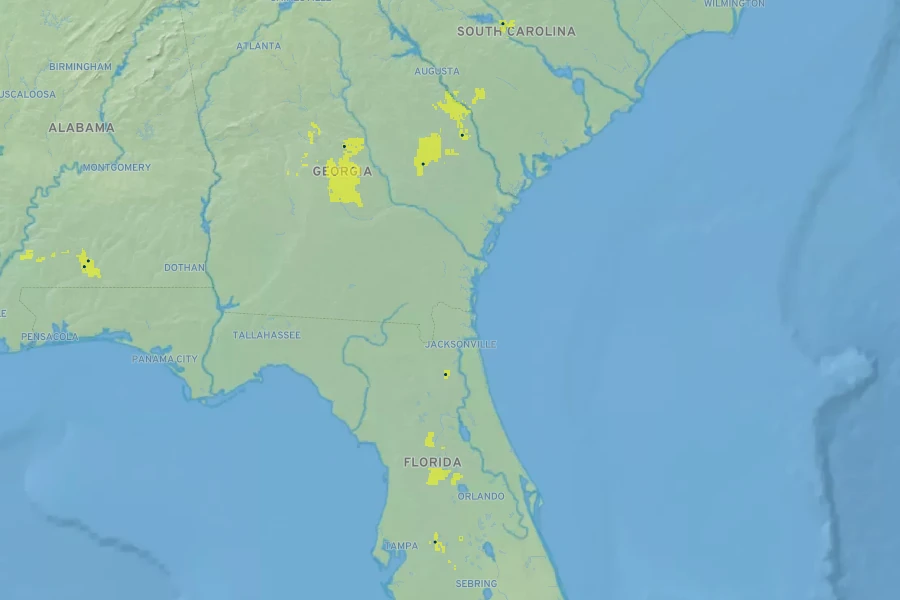
Moist meadows, wet prairies, and stream banks in the Southeastern United States
Other Names
Common Names: St. John’s Susan, Black-Eyed Susan
Scientific Names: Rudbeckia nitida, Rudbeckia nitida var. longifolia, Rudbeckia nitida var. nitida, Rudbeckia glabra
GBIF Accepted Name: Rudbeckia nitida Nutt.