Creeping Yellowcress
/
(Rorippa sylvestris)
Creeping Yellowcress (Rorippa sylvestris)
/


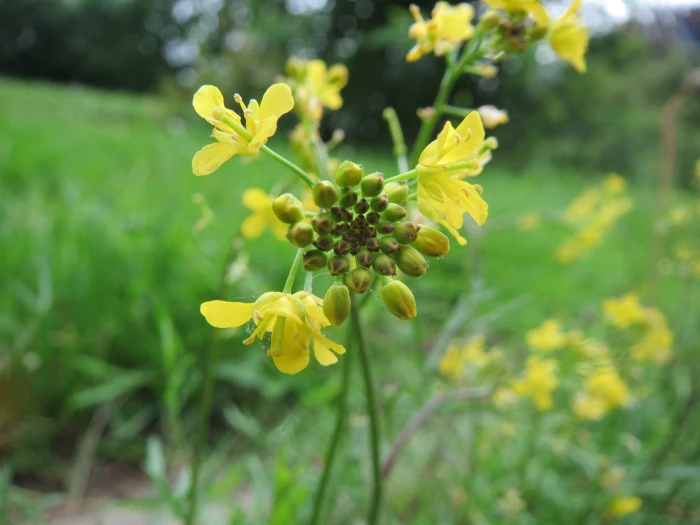

Andreas Rockstein
CC BY-SA 4.0

Image By:
Andreas Rockstein
Recorded By:
Copyright:
CC BY-SA 4.0
Copyright Notice:
Photo by: Andreas Rockstein | License Type: CC BY-SA 4.0 | License URL: http://creativecommons.org/licenses/by-sa/4.0/ | Rights Holder: Andreas Rockstein | Publisher: iNaturalist | Date Created: 2016-06-08T18:08:12-07:00 |





Summary
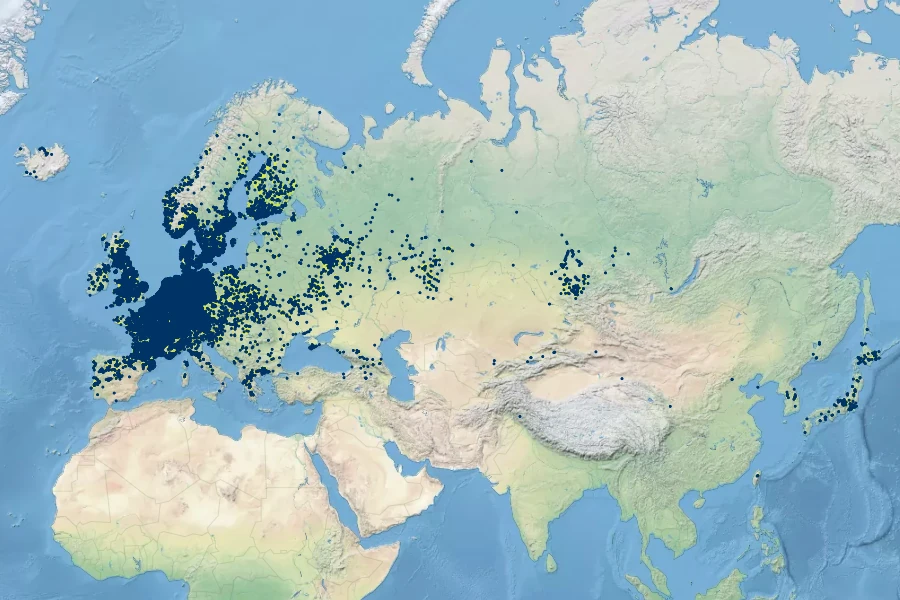
Rorippa sylvestris, commonly known as creeping yellowcress, is a perennial herb that is considered invasive in the United States, likely introduced from Europe before 1818 through ballast water and spreading via contaminated nursery seed stock. It is native to wetland areas, ditches, and moist soils across Europe and Asia. Creeping yellowcress typically grows to a height of 20-60 cm (8-24 inches) and has a spreading habit that can cover large areas if left unchecked. It produces small, bright yellow flowers from late spring to early fall, which are attractive but can contribute to its invasive nature as they produce numerous seeds.
Creeping yellowcress is not commonly cultivated due to its invasive potential and is often managed to prevent it from overtaking natural and agricultural areas. In cultivation, it would require consistently moist soil and can grow in full sun to part shade. It is important to control its spread by removing the plants before they set seed. Due to its invasive nature, it is not recommended for garden use, and gardeners should be cautious about its potential to escape and naturalize. It is invasive in North America, spreading through ballast water and nursery stock contamination.CC BY-SA 4.0
Creeping yellowcress is not commonly cultivated due to its invasive potential and is often managed to prevent it from overtaking natural and agricultural areas. In cultivation, it would require consistently moist soil and can grow in full sun to part shade. It is important to control its spread by removing the plants before they set seed. Due to its invasive nature, it is not recommended for garden use, and gardeners should be cautious about its potential to escape and naturalize. It is invasive in North America, spreading through ballast water and nursery stock contamination.CC BY-SA 4.0
Plant Description
- Plant Type: Herb
- Height: 1.5-2 feet
- Width: 1-1.5 feet
- Growth Rate: Moderate
- Flower Color: Yellow
- Flowering Season: Summer
- Leaf Retention: Deciduous
Growth Requirements
- Sun: Full Sun, Part Shade
- Drainage: Fast, Medium
Common Uses
Erosion Control, Water Garden
Natural Habitat
Native to wetland areas, ditches, and moist soils across Europe and Asia
Other Names
Common Names: Yellow Weed, Creeping Yellow Field Cress, Yellow Fieldcress
Scientific Names: Rorippa sylvestris, Brachiolobos brevistylus, Brachiolobos sylvestris, Cardamine silvestris, Cardamine sylvestris, Caroli-gmelina sylvestris, Crucifera sylvestris, Nasturtium aschersonianum, Nasturtium astyloides
GBIF Accepted Name: Rorippa sylvestris