Austrian Yellow-Cress
/
(Rorippa austriaca)
Austrian Yellow-Cress (Rorippa austriaca)
/


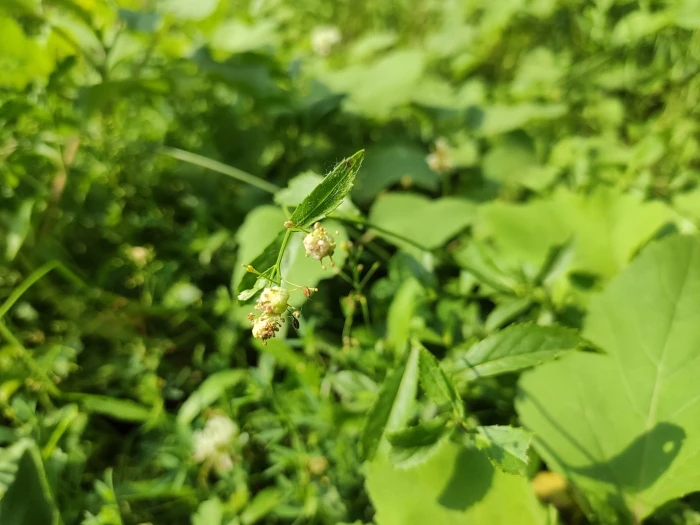

KAnatoliy
CC BY 4.0

Image By:
KAnatoliy
Recorded By:
Copyright:
CC BY 4.0
Copyright Notice:
Photo by: KAnatoliy | License Type: CC BY 4.0 | License URL: http://creativecommons.org/licenses/by/4.0/ | Rights Holder: KAnatoliy | Publisher: iNaturalist | Date Created: 2021-06-29T09:38:36-07:00 |



Summary
Rorippa austriaca, commonly known as Austrian yellow-cress or Austrian fieldcress, is a perennial herb that is native to riparian zones, wet meadows, and marshes across parts of Europe and Asia. It has been introduced to North America, where it thrives in disturbed habitats such as roadsides and wet areas including mudflats and stream banks. Austrian yellow-cress typically grows to a height of 20-60 cm and is characterized by its small, bright yellow flowers that bloom from May to September, offering a long season of visual interest. The plant has a spreading habit and can form dense colonies.
Austrian yellow-cress is valued for its ability to colonize and stabilize soil in wetland restoration projects. It is also used in rain gardens and other water-wise landscaping designs due to its tolerance of moist conditions. In cultivation, it requires consistently wet soil and can grow in full sun to part shade. However, gardeners should be cautious as it can spread aggressively through its rhizomes and seeds, potentially becoming a nuisance. It is advisable to contain its spread by using root barriers or planting it in controlled environments. It is potentially invasive outside its native range, so it is important to check local regulations before planting.CC BY-SA 4.0
Austrian yellow-cress is valued for its ability to colonize and stabilize soil in wetland restoration projects. It is also used in rain gardens and other water-wise landscaping designs due to its tolerance of moist conditions. In cultivation, it requires consistently wet soil and can grow in full sun to part shade. However, gardeners should be cautious as it can spread aggressively through its rhizomes and seeds, potentially becoming a nuisance. It is advisable to contain its spread by using root barriers or planting it in controlled environments. It is potentially invasive outside its native range, so it is important to check local regulations before planting.CC BY-SA 4.0
Plant Description
- Plant Type: Herb
- Height: 1.5-2 feet
- Width: 0.5-1 feet
- Growth Rate: Moderate
- Flower Color: Yellow
- Flowering Season: Summer
- Leaf Retention: Semi-deciduous
Growth Requirements
- Sun: Full Sun, Part Shade
- Drainage: Medium, Slow
Common Uses
Erosion Control, Water Garden
Natural Habitat
Riparian zones, wet meadows, and marshes across parts of Europe and Asia
Other Names
Common Names: Austrian Field Cress, Austrian Fieldgrass
Scientific Names: Rorippa austriaca, ? repens, Armoracia austriaca, Brachiolobos austriacus, Brachiolobos hybridus, Brachylobus austriacus, Camelina austriaca, Cardamine austriaca, Chamaelinum austriacum
GBIF Accepted Name: Rorippa austriaca