Loquat
/
(Rhaphiolepis bibas)
Loquat (Rhaphiolepis bibas)
/


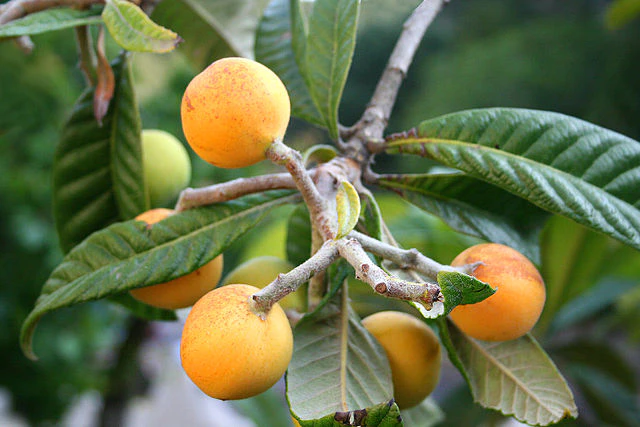

Jean-Pol GRANDMONT
CC BY 3.0






Summary
The Indian Hawthorn is appreciated for its low maintenance, drought tolerance, and resistance to pests and diseases, making it a popular choice for urban landscaping, hedges, and foundation plantings. It thrives in a range of soil types, provided they are well-drained, and it can adapt to full sun or partial shade. While it is drought-tolerant once established, regular watering during dry periods will promote healthier growth. It is hardy in USDA zones 7 through 11.CC BY-SA 4.0
Plant Description
- Plant Type: Shrub
- Height: 10-25 feet
- Width: 10-25 feet
- Growth Rate: Moderate
- Flower Color: White
- Flowering Season: Spring
- Leaf Retention: Evergreen
Growth Requirements
- Sun: Full Sun, Part Shade
- Drainage: Fast, Medium, Slow
Common Uses
Bee Garden, Bird Garden, Border Plant, Butterfly Garden, Deer Resistant, Drought Tolerant, Edible*Disclaimer: Easyscape's listed plant edibility is for informational use. Always verify the safety and proper identification of any plant before consumption., Fragrant, Hedges, Hummingbird Garden, Low Maintenance, Salt Tolerant, Showy Flowers
Natural Habitat
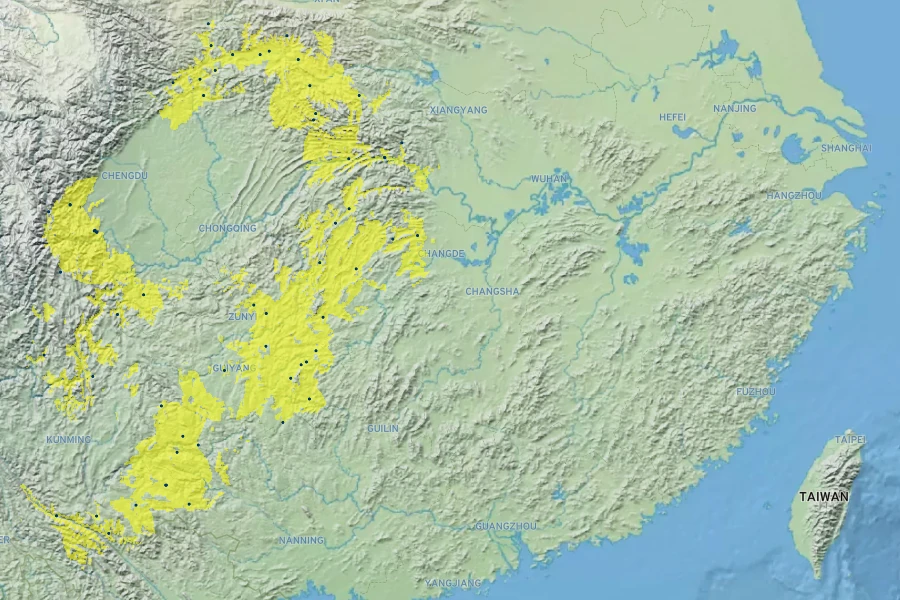
Cooler hill regions of south-central China
Other Names
Common Names: Japanese Medlar
Scientific Names: Rhaphiolepis bibas, Crataegus bibas, Eriobotrya japonica, Eriobotrya japonica f. variegata, Mespilus japonica, Photinia japonica, Photinia japonica, Photinia japonica, Photinia japonica, Pyrus bibas, Rhaphiolepis loquata
GBIF Accepted Name: Rhaphiolepis bibas