Chickasaw Plum
/
(Prunus angustifolia)
Chickasaw Plum (Prunus angustifolia)
/


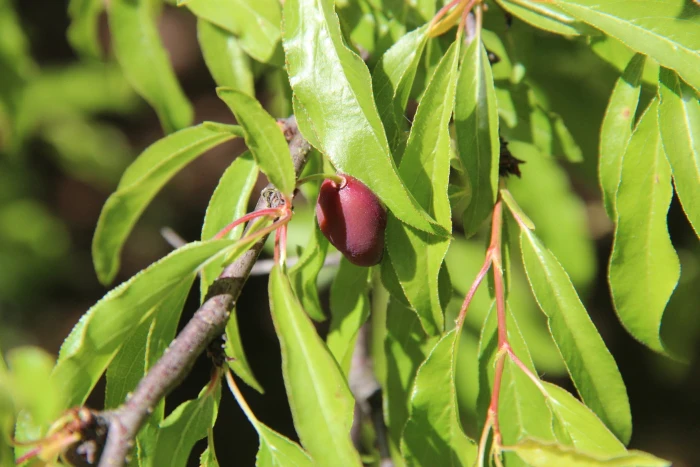

laalv1
CC BY 4.0






Summary
Chickasaw Plum is valued for its early spring blossoms, wildlife-friendly fruit, and low maintenance requirements. It is often used in ornamental horticulture, as well as for wildlife plantings and erosion control due to its suckering habit. The plant thrives in full sun to partial shade and prefers dry, sandy, or well-drained soils. Chickasaw Plum can spread through suckering, which may require occasional management to maintain form.CC BY-SA 4.0
Plant Description
- Plant Type: Tree, Shrub
- Height: 4-10 feet
- Width: 4-20 feet
- Growth Rate: Moderate
- Flower Color: White
- Flowering Season: Spring
- Leaf Retention: Deciduous
Growth Requirements
- Sun: Full Sun, Part Shade
- Drainage: Fast, Medium
Common Uses
Bee Garden, Bird Garden, Butterfly Garden, Edible*Disclaimer: Easyscape's listed plant edibility is for informational use. Always verify the safety and proper identification of any plant before consumption., Erosion Control, Fire Resistant, Fragrant, Low Maintenance, Rabbit Resistant, Showy Flowers, Street Planting
Natural Habitat
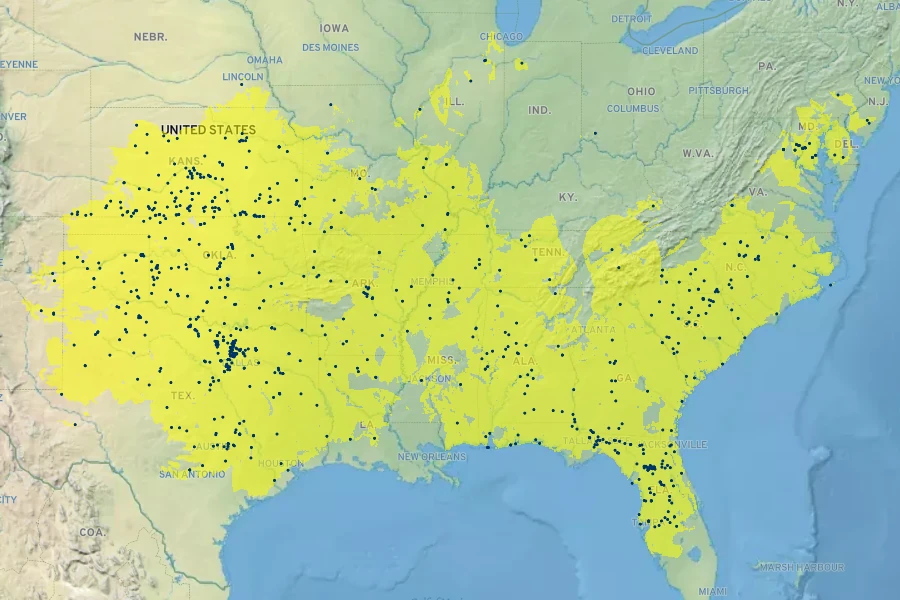
Open woodlands, forest edges, savannas, and prairies in the Southeastern and Central USA
Other Names
Common Names: Florida Sand Plum, Sand Plum, Sandhill Plum, Mountain Cherry Tree, Cherokee Plum, Chicasapflaume, Pessego-Amarelo, Chickasawplommon
Scientific Names: Prunus angustifolia, Prunus angustifolia var. angustifolia, Prunus chicasa, Prunus rugosa, Prunus stenophylla, Cerasus chicasa, Prunus angustifolia var. varians, Prunus angustifolia subsp. varians
GBIF Accepted Name: Prunus angustifolia Marshall