Scotch Pine
/
(Pinus sylvestris)
Scotch Pine (Pinus sylvestris)
/


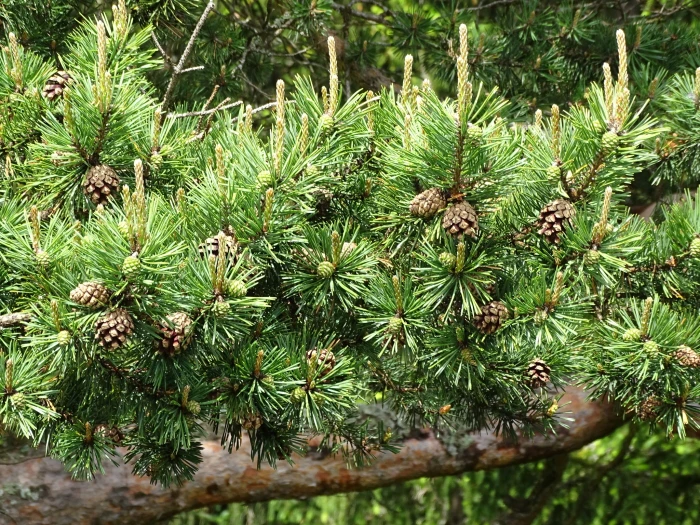

Christian Berg
CC BY 4.0






Summary
Scots Pine is valued for its fast growth and adaptability to a variety of soil conditions, making it a popular choice for reforestation projects, timber production, and as a Christmas tree. It is also used in windbreaks and as an ornamental tree in large gardens and parks. The tree thrives in full sun. However, its potential invasiveness outside its native range should be considered, and it may be subject to various pine diseases and pests, such as pine wilt and bark beetles. It is invasive in parts of eastern North America, including Ontario and Michigan.CC BY-SA 4.0
Plant Description
- Plant Type: Tree
- Height: 45-60 feet
- Width: 25-40 feet
- Growth Rate: Rapid
- Flower Color: N/A
- Flowering Season: Non-Flowering
- Leaf Retention: Evergreen
Growth Requirements
- Sun: Full Sun
- Drainage: Medium
Common Uses
Bank Stabilization, Bird Garden, Border Plant, Deer Resistant, Drought Tolerant, Edible*Disclaimer: Easyscape's listed plant edibility is for informational use. Always verify the safety and proper identification of any plant before consumption., Fragrant, Hedges, Rabbit Resistant, Rock Garden, Salt Tolerant, Street Planting
Natural Habitat
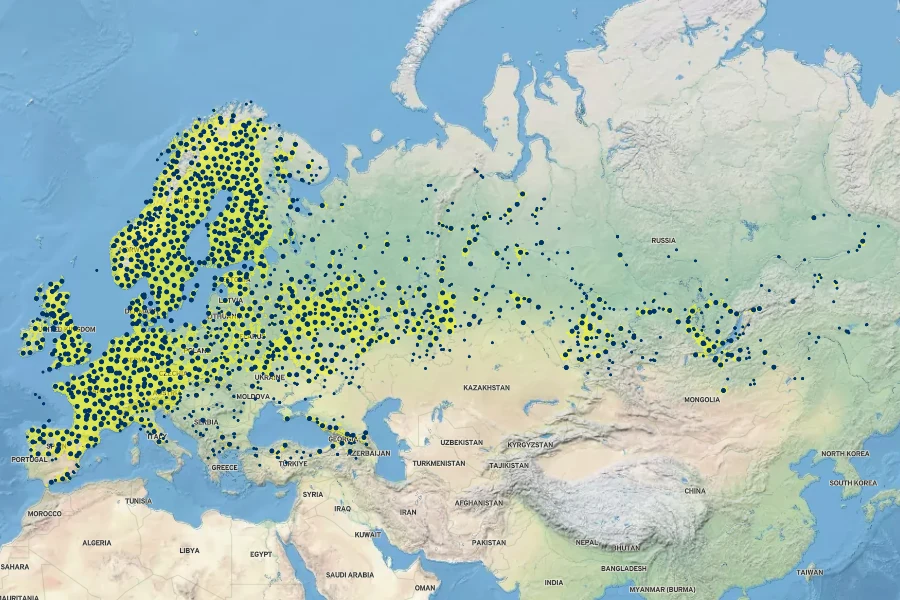
Boreal forests and peat bogs to mountainous areas across Eurasia
Other Names
Common Names: Scotch Pine, Baltic Pine, Borovice Lesní, Borovice Sosna, Skov-Fyr, Föhre, Gemeine Kiefer, Waldföhre, Waldkiefer, Wald-Kiefer
Scientific Names: Pinus sylvestris, Pinus sylvestris subsp. scotica, Pinus sylvestris var. erythranthera, Pinus sylvestris var. cretacea, Pinus scotica, Pinus sylvestris var. plana, Pinus sylvestris f. fastigiata, Pinus sylvestris var. aurea, Pinus sylvestris var. fastigiata
GBIF Accepted Name: Pinus sylvestris L.