Pink Whitlow-Grass
/
(Paronychia capitata)
Pink Whitlow-Grass (Paronychia capitata)
/


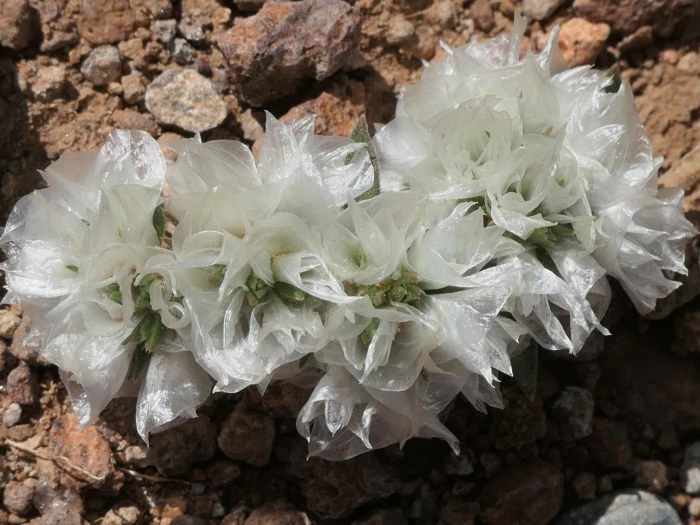

© Rafael Medina
CC BY 4.0

Image By:
© Rafael Medina
Recorded By:
Copyright:
CC BY 4.0
Copyright Notice:
Photo by: © Rafael Medina | License Type: CC BY 4.0 | License URL: http://creativecommons.org/licenses/by/4.0/ | Uploader: rmedina | Publisher: iNaturalist |





Summary
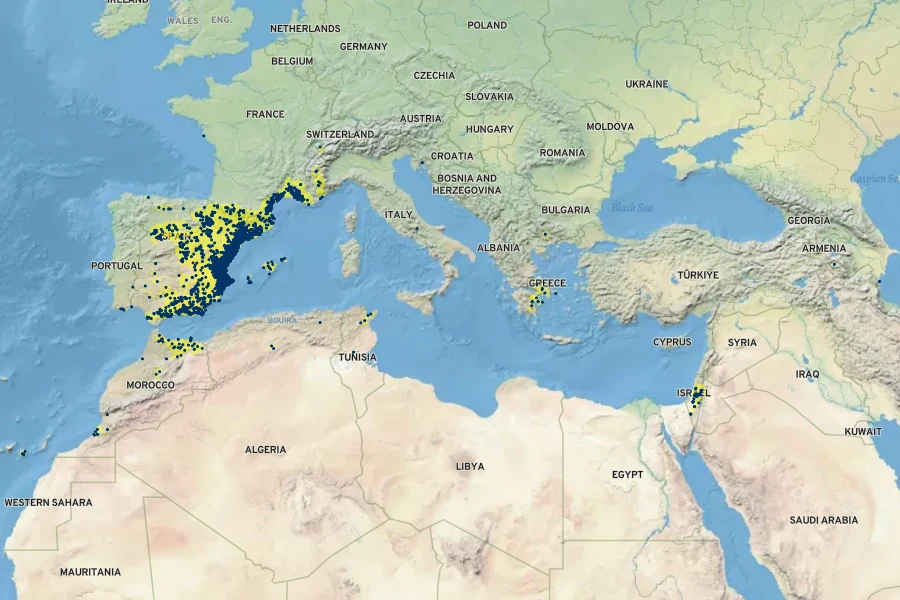
Paronychia capitata, commonly known as Pink Whitlow-grass or Pink Sandspurry, is a perennial herb that is native to a variety of habitats including dry grasslands, meadows, rocky slopes, and open woodlands across Europe, North Africa, and Western Asia. This low-growing plant typically reaches a height of 0.2-0.6 feet (0.06-0.2 meters) and a width of 0.3-0.6 feet (0.1-0.2 meters), forming a mat-like ground cover. It features small, pink, inconspicuous flowers that bloom in the summer, and its foliage remains green throughout the growing season.
Pink Whitlow-grass is valued for its drought tolerance and ability to thrive in poor soils, making it a suitable choice for rock gardens, xeriscaping, and as a filler between stepping stones. It is also used in green roofs and as an ornamental ground cover due to its low maintenance requirements. In cultivation, it prefers full sun to part shade and well-drained loam or sandy soils. While it tolerates medium amounts of water, it is important to avoid overwatering to prevent root rot. This plant is generally pest and disease-free but can suffer from root rot in overly moist conditions.CC BY-SA 4.0
Pink Whitlow-grass is valued for its drought tolerance and ability to thrive in poor soils, making it a suitable choice for rock gardens, xeriscaping, and as a filler between stepping stones. It is also used in green roofs and as an ornamental ground cover due to its low maintenance requirements. In cultivation, it prefers full sun to part shade and well-drained loam or sandy soils. While it tolerates medium amounts of water, it is important to avoid overwatering to prevent root rot. This plant is generally pest and disease-free but can suffer from root rot in overly moist conditions.CC BY-SA 4.0
Plant Description
- Plant Type: Herb
- Height: 0.2-0.6 feet
- Width: 0.3-0.6 feet
- Growth Rate: Moderate
- Flower Color: Pink
- Flowering Season: Summer
- Leaf Retention: Evergreen
Growth Requirements
- Sun: Full Sun, Part Shade
- Drainage: Medium
Common Uses
Low Maintenance, Rock Garden
Natural Habitat
Dry grasslands, meadows, rocky slopes, and open woodlands across Europe, North Africa, and Western Asia
Other Names
Common Names: Pink Sandspurry
Scientific Names: Paronychia capitata, Paronychia chlorothyrsa var. longistyla, Paronychia chlorothyrsa var. rifea, Paronychia nivea var. libyca
GBIF Accepted Name: Paronychia capitata