Lancea Royal Fern
/
(Osmunda lancea)
Lancea Royal Fern (Osmunda lancea)
/


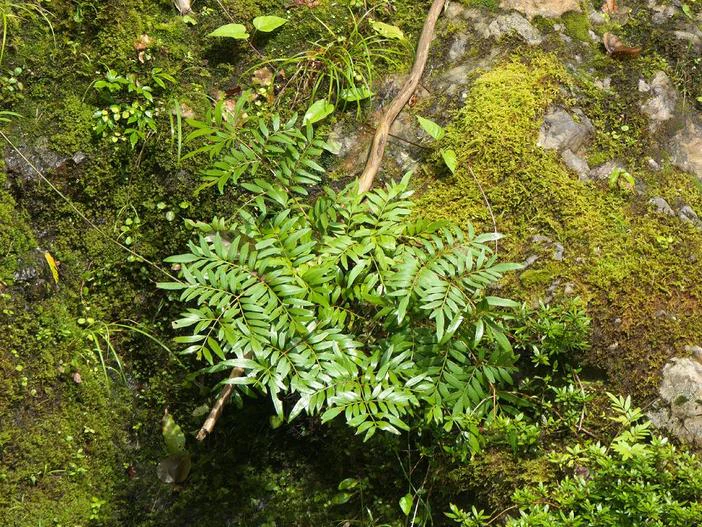

Keisotyo
CC BY-SA 4.0

Image By:
Keisotyo
Recorded By:
Copyright:
CC BY-SA 4.0
Copyright Notice:
Photo by: Keisotyo | License Type: CC BY-SA 4.0 | License URL: https://creativecommons.org/licenses/by-sa/4.0 | Uploader: Keisotyo | Publisher: Wikipedia Commons


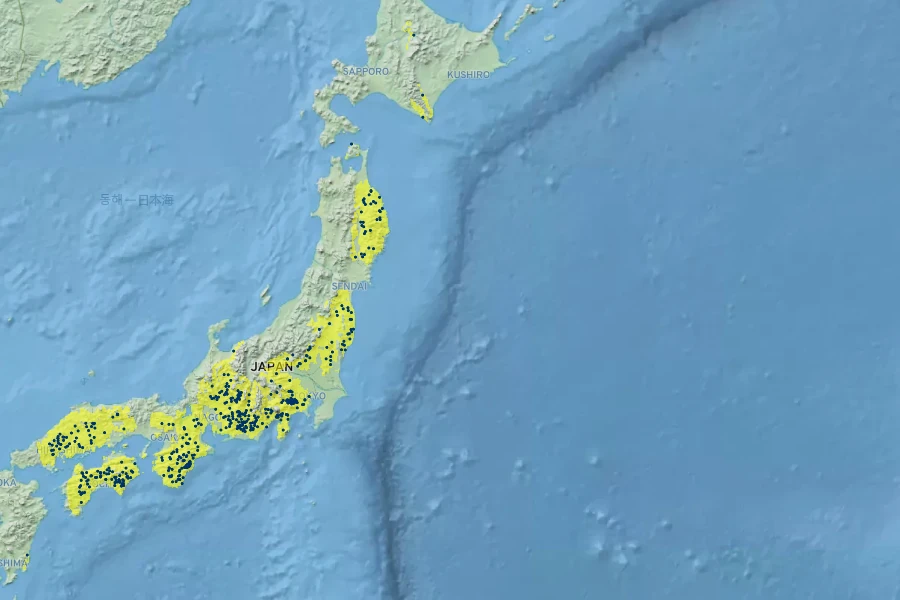



Summary
Osmunda lancea, commonly known as the Lancea Royal Fern, is a perennial herbaceous fern native to moist, shaded forest areas and wetlands in Japan. It is closely related to, and often hybridizes with, Osmunda japonica, resulting in the hybrid O. × intermedia. This fern typically exhibits a clumping growth habit with erect fronds that can reach up to 47 inches (120 centimeters) in height, creating a lush, green presence in the landscape. The fronds are lance-shaped with a bright green color and a delicate texture, adding a unique aesthetic to garden settings.
The Lancea Royal Fern is valued for its graceful foliage and adaptability to wet soil conditions, making it an excellent choice for water gardens, bog gardens, and shaded woodland gardens. It thrives in moist, humus-rich soils with good drainage and prefers partial to full shade. While it is not drought-tolerant, it can withstand temporary flooding. In cultivation, it is relatively low maintenance, requiring little care once established. Gardeners should be aware that ferns do not produce flowers or seeds, but reproduce via spores that are typically found on the underside of the fronds. Osmunda lancea is not known for significant pest or disease issues, but it can suffer from root rot if planted in poorly drained soils.CC BY-SA 4.0
The Lancea Royal Fern is valued for its graceful foliage and adaptability to wet soil conditions, making it an excellent choice for water gardens, bog gardens, and shaded woodland gardens. It thrives in moist, humus-rich soils with good drainage and prefers partial to full shade. While it is not drought-tolerant, it can withstand temporary flooding. In cultivation, it is relatively low maintenance, requiring little care once established. Gardeners should be aware that ferns do not produce flowers or seeds, but reproduce via spores that are typically found on the underside of the fronds. Osmunda lancea is not known for significant pest or disease issues, but it can suffer from root rot if planted in poorly drained soils.CC BY-SA 4.0
Plant Description
- Plant Type: Fern
- Height: 1.5-3 feet
- Width: 1-2 feet
- Growth Rate: Slow
- Flower Color: N/A
- Flowering Season: Non-Flowering
- Leaf Retention: Deciduous
Growth Requirements
- Sun: Part Shade, Full Shade
- Drainage: Slow, Standing
Common Uses
Low Maintenance, Potted Plant, Water Garden
Natural Habitat
Moist, shaded forest areas and wetlands in Japan
Other Names
Common Names: Japanese Royal Fern
Scientific Names: Osmunda lancea, Osmunda japonica, Osmundastrum lanceum
GBIF Accepted Name: Osmunda lancea