Bluntseed Sweetroot
/
(Osmorhiza depauperata)
Bluntseed Sweetroot (Osmorhiza depauperata)
/


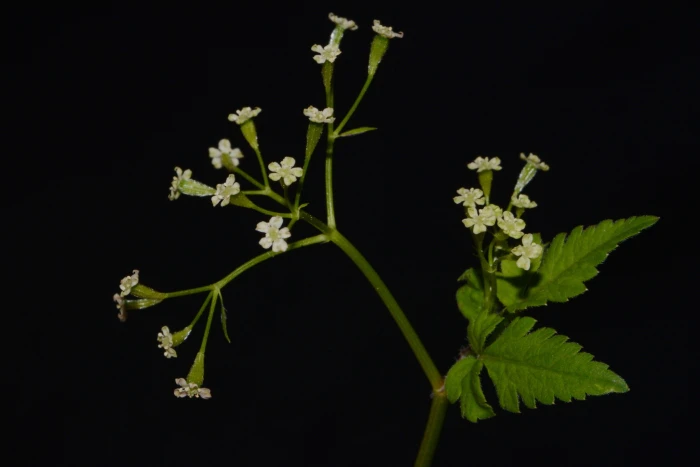

© Brian Finzel
CC BY-SA 4.0

Image By:
© Brian Finzel
Recorded By:
Copyright:
CC BY-SA 4.0
Copyright Notice:
Photo by: © Brian Finzel | License Type: CC BY-SA 4.0 | License URL: http://creativecommons.org/licenses/by-sa/4.0/ | Uploader: finzelflowers | Publisher: iNaturalist |





Summary
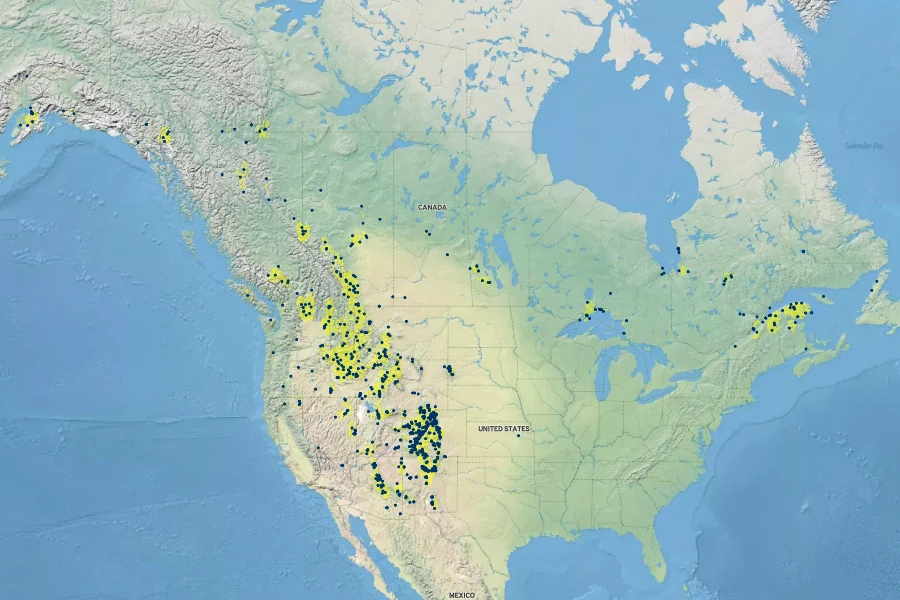
Osmorhiza depauperata, commonly known as bluntseed sweetroot or blunt-fruited sweet-cicely, is a perennial herb that is native to the understory of temperate forests, particularly those with rich, moist soils in western and North America. It typically grows to a height of up to 31 inches. This plant features compound leaves with blades up to 5 inches wide, which are divided into toothed or deeply lobed leaflets, giving it a delicate, fern-like appearance. The inflorescence consists of a compound umbel of tiny white flowers that bloom at the tip of a stem-like peduncle, followed by distinctive club-shaped, ribbed, and bristly fruits measuring 0 to 1 inch long.
Bluntseed sweetroot is appreciated for its subtle charm in woodland gardens and naturalized areas, where it can provide texture and interest without overwhelming other plantings. It is relatively low-maintenance, requiring minimal care once established in a suitable location. It thrives in partial to full shade and prefers consistently moist, well-drained soils rich in organic matter. While not commonly used for culinary or medicinal purposes, it is a valuable addition to native plant gardens and restoration projects. Gardeners should note that it may self-seed in optimal conditions, but it is not typically aggressive.CC BY-SA 4.0
Bluntseed sweetroot is appreciated for its subtle charm in woodland gardens and naturalized areas, where it can provide texture and interest without overwhelming other plantings. It is relatively low-maintenance, requiring minimal care once established in a suitable location. It thrives in partial to full shade and prefers consistently moist, well-drained soils rich in organic matter. While not commonly used for culinary or medicinal purposes, it is a valuable addition to native plant gardens and restoration projects. Gardeners should note that it may self-seed in optimal conditions, but it is not typically aggressive.CC BY-SA 4.0
Plant Description
- Plant Type: Herb
- Height: 1-2.5 feet
- Width: 0.5-1 feet
- Growth Rate: Moderate
- Flower Color: White
- Flowering Season: Spring, Summer
- Leaf Retention: Deciduous
Growth Requirements
- Sun: Part Shade, Full Shade
- Drainage: Medium, Slow
Common Uses
Bee Garden, Bird Garden, Low Maintenance
Natural Habitat
Understory of temperate forests with rich, moist soils
Other Names
Common Names: Bluntseed Sweetroot, Blunt-Fruited Sweet Cicely, Lesser Sweet-Cicely, Blunt-Seed Sweet Cicely
Scientific Names: Osmorhiza depauperata, Osmorhiza chilensis var. cupressimontana, Osmorhiza obtusa, Osmorhiza obtusa var. cupressimontana, Washingtonia obtusa
GBIF Accepted Name: Osmorhiza depauperata