Tulip Pricklypear
/
(Opuntia phaeacantha)
Tulip Pricklypear (Opuntia phaeacantha)
/


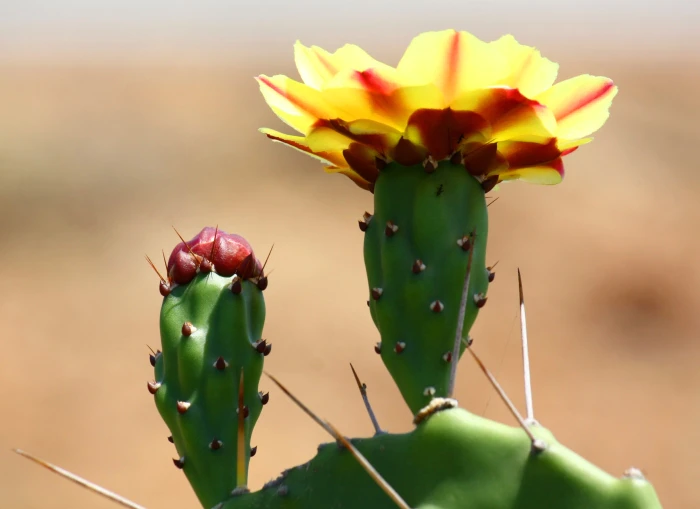

AntanO
CC BY-SA 4.0






Summary
Tulip Pricklypear is valued for its drought tolerance, low maintenance requirements, and the ornamental quality of its flowers and fruits. It is used in xeriscaping, rock gardens, and as a barrier plant due to its spines. It thrives in full sun, requires minimal water once established, and prefers well-drained soils. While it is easy to grow, it is important to handle with care due to its spines and glochids. Gardeners should check local guidance outside its native range and monitor for unwanted spread.CC BY-SA 4.0
Plant Description
- Plant Type: Shrub, Succulent
- Height: 1-3 feet
- Width: 4-5 feet
- Growth Rate: Slow
- Flower Color: Yellow
- Flowering Season: Spring, Summer
- Leaf Retention: Evergreen
Growth Requirements
- Sun: Full Sun
- Drainage: Fast
Common Uses
Bank Stabilization, Bee Garden, Bird Garden, Butterfly Garden, Deer Resistant, Drought Tolerant, Edible*Disclaimer: Easyscape's listed plant edibility is for informational use. Always verify the safety and proper identification of any plant before consumption., Fire Resistant, Hummingbird Garden, Low Maintenance, Potted Plant, Rock Garden, Salt Tolerant, Showy Flowers, Street Planting
Natural Habitat
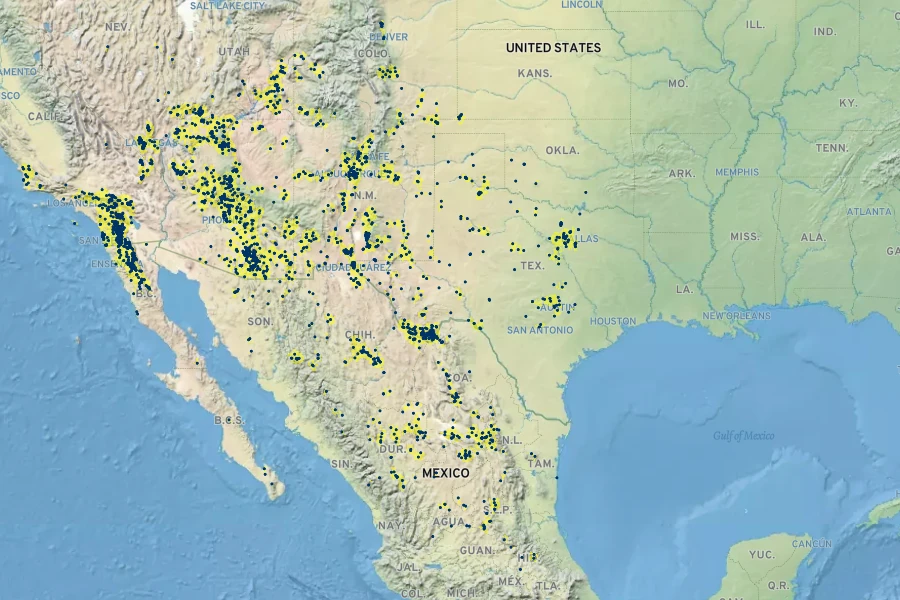
Arid and semi-arid regions, including deserts, grasslands, and scrublands
Other Names
Common Names: New Mexico Prickly-Pear, Desert Prickly-Pear, Mojave Prickly Pear, Major Prickly-Pear, Dense-Spine Prickly-Pear, Mojave Prickly-Pear, Purple-Fruit Prickly-Pear, Yellow-Spine Prickly-Pear, Brown-Spine Prickly-Pear, Nopal Pardo
Scientific Names: Opuntia phaeacantha, Opuntia azurea, Opuntia woodsii, Opuntia camanchica, Opuntia phaeacantha var. phaeacantha, Opuntia phaeacantha var. camanchica, Opuntia charlestonensis, Opuntia angustata, Opuntia phaeacantha var. nigricans, Opuntia zuniensis
GBIF Accepted Name: Opuntia phaeacantha Engelm.