Wild Daffodil
/
(Narcissus pseudonarcissus)
Wild Daffodil (Narcissus pseudonarcissus)
/


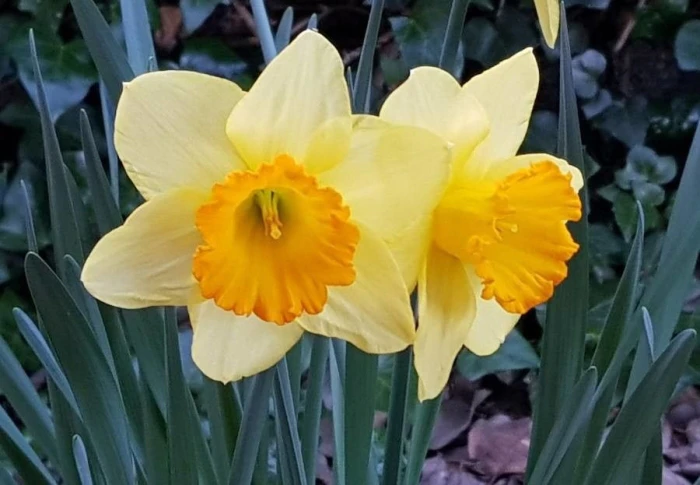

Perlado José Luis
CC BY-SA 4.0






Summary
Wild Daffodil is valued for its cheerful, early spring flowers and is often used in naturalistic plantings, rock gardens, and woodland gardens. It is also a popular choice for borders and as a cut flower. The plant prefers moderately fertile, well-drained soil and can tolerate partial shade, although it flowers best in full sun. It is relatively low maintenance, but it should not be allowed to dry out during the growing season. Over time, clumps can be divided and spread to encourage more blooms. It spreads gradually through offsets, but it is not aggressive. CC BY-SA 4.0
Plant Description
- Plant Type: Herb
- Height: 1-2 feet
- Width: 0.1-0.2 feet
- Growth Rate: Moderate
- Flower Color: Yellow
- Flowering Season: Spring
- Leaf Retention: Deciduous
Growth Requirements
- Sun: Full Sun, Part Shade
- Drainage: Slow, Medium, Fast
Common Uses
Bank Stabilization, Bee Garden, Butterfly Garden, Deer Resistant, Drought Tolerant, Erosion Control, Fragrant, Low Maintenance, Rabbit Resistant, Rock Garden, Salt Tolerant, Street Planting
Natural Habitat
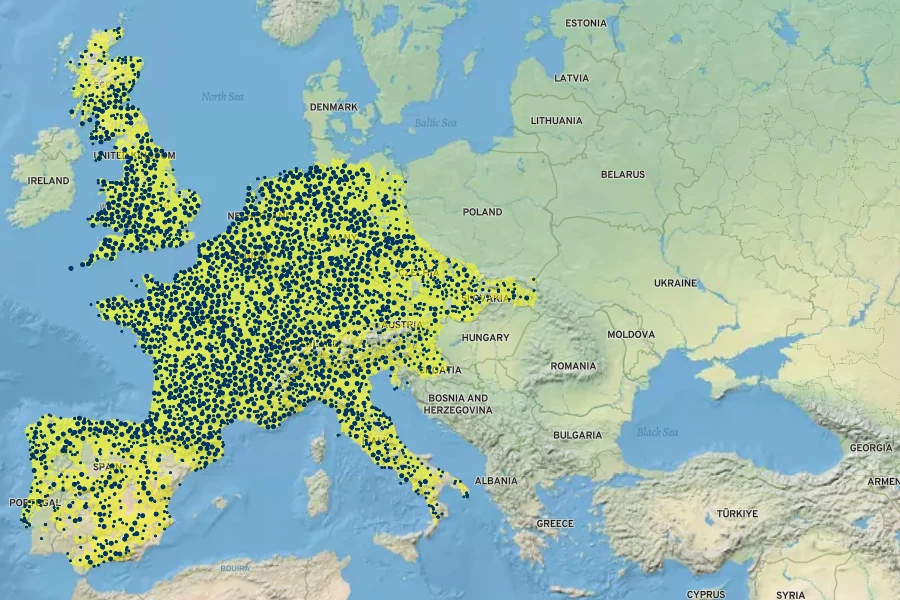
Open woodlands, meadows, and grasslands in Western Europe
Other Names
Common Names: Tenby Daffodil, Lent Lily, Daffodil, Trumpet Narcissus, Lent-Lily, Buttercup, Påskelilje, Osterglocke, Gelbe Narzisse, Jonquille
Scientific Names: Narcissus pseudonarcissus, Narcissus pseudonarcissus subsp. silvestris, Ajax pseudonarcissus, Narcissus candidissimus, Ajax cuneiflorus, Ajax festalis, Ajax tubiflorus, Ajax tubiflorus var. crenulatus, Ajax tubiflorus var. princeps
GBIF Accepted Name: Narcissus pseudonarcissus L.