Fraser’s Yellow Loosestrife
/
(Lysimachia fraseri)
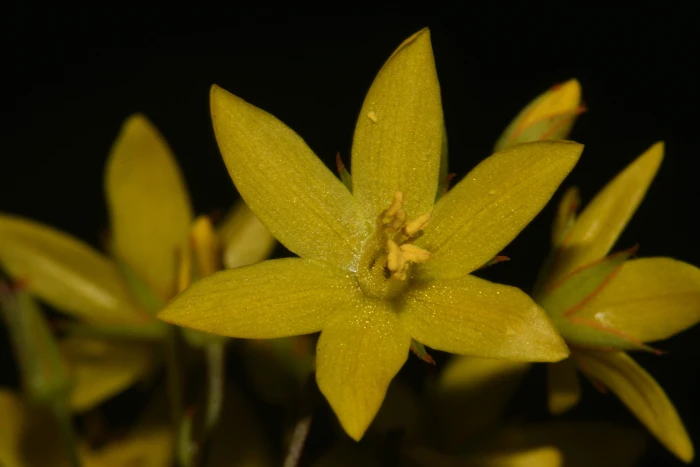
Fraser’s Yellow Loosestrife (Lysimachia fraseri)
/



Brian Finzel
CC BY-SA 4.0

Image By:
Brian Finzel
Recorded By:
Copyright:
CC BY-SA 4.0
Copyright Notice:
Photo by: Brian Finzel | License Type: CC BY-SA 4.0 | License URL: http://creativecommons.org/licenses/by-sa/4.0/ | Rights Holder: Brian Finzel | Publisher: iNaturalist | Date Created: 2022-06-01T12:57:48-07:00 |





Summary
Lysimachia fraseri, commonly known as Fraser’s Yellow Loosestrife, is a rhizomatous perennial herb native to wetland margins, seepage areas, and boggy meadows in the Southeastern United States. It is particularly adapted to the Carolinas and Georgia, thriving in these regions’ unique wetland ecosystems. This species typically reaches up to 3 feet in height and features glandular, hairy stems with lance-shaped leaves that are arranged in a whorled or opposite fashion. The bright yellow flowers, each about 1 inch wide, are borne in terminal racemes or panicles during the summer months and are quite showy, attracting pollinators such as bees and butterflies.
Fraser’s Yellow Loosestrife is valued for its ornamental flowers and its ability to thrive in moist, challenging conditions where other plants may struggle. It is often used in rain gardens, water features, and naturalized areas where its moisture requirements can be met. In cultivation, it prefers full sun to part shade, consistently moist to wet soil, and does not tolerate drought well. While not commonly available in the nursery trade, it can be a unique addition to a native plant garden or a restoration project. Care should be taken to control its spread, as it can be aggressive in optimal conditions.CC BY-SA 4.0
Fraser’s Yellow Loosestrife is valued for its ornamental flowers and its ability to thrive in moist, challenging conditions where other plants may struggle. It is often used in rain gardens, water features, and naturalized areas where its moisture requirements can be met. In cultivation, it prefers full sun to part shade, consistently moist to wet soil, and does not tolerate drought well. While not commonly available in the nursery trade, it can be a unique addition to a native plant garden or a restoration project. Care should be taken to control its spread, as it can be aggressive in optimal conditions.CC BY-SA 4.0
Plant Description
- Plant Type: Herb
- Height: 2-4 feet
- Width: 2-3 feet
- Growth Rate: Moderate
- Flower Color: Yellow
- Flowering Season: Summer
- Leaf Retention: Deciduous
Growth Requirements
- Sun: Full Sun, Part Shade
- Drainage: Medium
Common Uses
Border Plant, Butterfly Garden, Low Maintenance, Water Garden
Natural Habitat
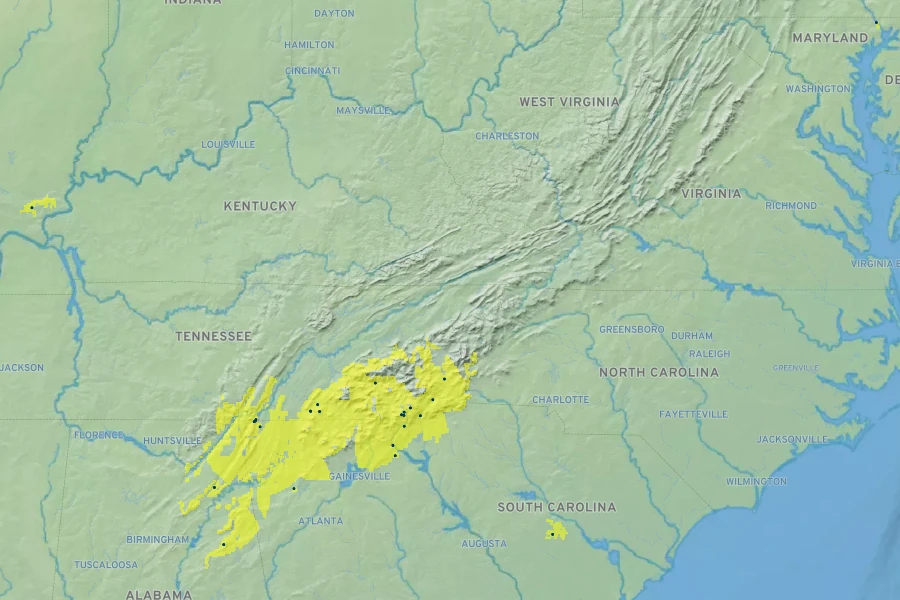
Wetland margins, seepage areas, and boggy meadows in the Southeastern United States, particularly adapted to the Carolinas and Georgia
Other Names
Common Names: Southern Yellow Loosestrife, Fraser’s Loosestrife
Scientific Names: Lysimachia fraseri, Lysimachia lanceolata
GBIF Accepted Name: Lysimachia fraseri