Floating Primrose-Willow
/
(Ludwigia peploides)
Floating Primrose-Willow (Ludwigia peploides)
/


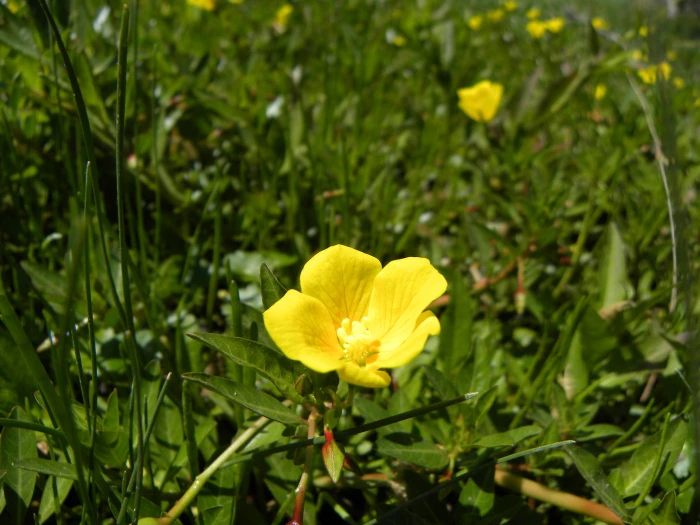

© María Eugenia Mendiola González
CC BY-SA 4.0

Image By:
© María Eugenia Mendiola González
Recorded By:
Copyright:
CC BY-SA 4.0
Copyright Notice:
Photo by: © María Eugenia Mendiola González | License Type: CC BY-SA 4.0 | License URL: http://creativecommons.org/licenses/by-sa/4.0/ | Uploader: marumg | Publisher: iNaturalist |





Summary
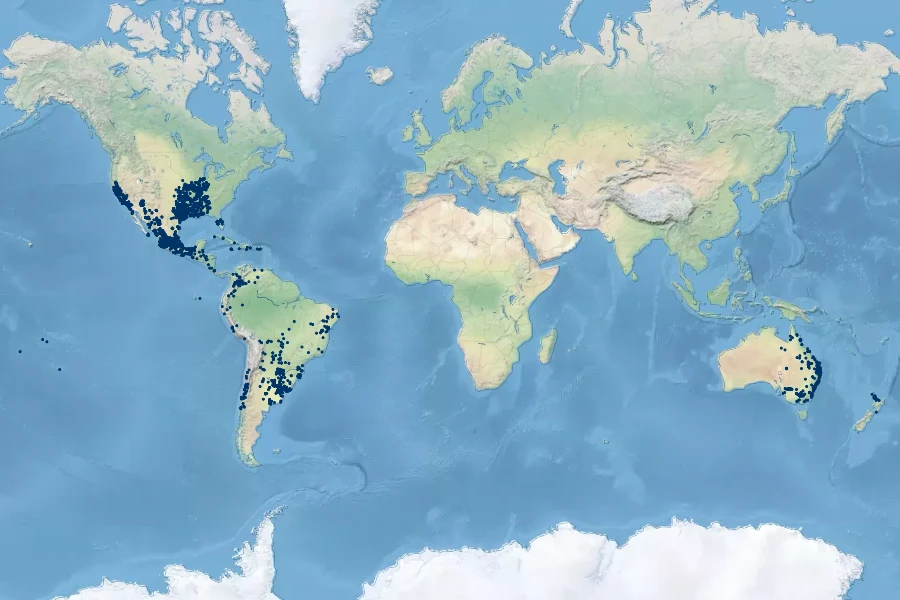
Ludwigia peploides, commonly known as Floating Primrose-Willow, Creeping Water Primrose, or simply Water Primrose, is a perennial herb native to wetland habitats including marshes, pond margins, and slow-moving waterways in the Americas and Australia. It typically grows to a height of 1-2 feet (0.3-0.6 meters) and spreads vigorously by rooting at the stem nodes. The plant features bright yellow, cup-shaped flowers that bloom in the summer and fall, adding a splash of color to aquatic settings. The flowers are quite showy, making it a popular choice for water gardens and ornamental ponds.
Floating Primrose-Willow thrives in full sun to part shade and prefers very slow draining clay, loam, or sandy soils that are consistently moist or even submerged. It is highly adaptable to various water conditions, from shallow standing water to periodically flooded areas. While it is valued for its ornamental flowers and ability to cover large areas quickly, Ludwigia peploides is invasive across Europe and the U.S., forming dense aquatic mats that block waterways and is banned across the EU; gardeners should avoid planting it where regulated.CC BY-SA 4.0
Floating Primrose-Willow thrives in full sun to part shade and prefers very slow draining clay, loam, or sandy soils that are consistently moist or even submerged. It is highly adaptable to various water conditions, from shallow standing water to periodically flooded areas. While it is valued for its ornamental flowers and ability to cover large areas quickly, Ludwigia peploides is invasive across Europe and the U.S., forming dense aquatic mats that block waterways and is banned across the EU; gardeners should avoid planting it where regulated.CC BY-SA 4.0
Plant Description
- Plant Type: Herb
- Height: 1-2 feet
- Width: 3-6 feet
- Growth Rate: Rapid
- Flower Color: Yellow
- Flowering Season: Summer, Fall
- Leaf Retention: Deciduous
Growth Requirements
- Sun: Full Sun, Part Shade
- Drainage: Standing
Common Uses
Erosion Control, Water Garden
Natural Habitat
native to wetland habitats including marshes, pond margins, and slow-moving waterways in the Americas and Australia
Other Names
Common Names: Creeping Water Primrose, Water Primrose, Clovestrip, Floating Primrose
Scientific Names: Ludwigia peploides, Jussiaea californica, Jussiaea repens var. minor
GBIF Accepted Name: Ludwigia peploides