Canby’s Biscuitroot
/
(Lomatium canbyi)
Canby’s Biscuitroot (Lomatium canbyi)
/


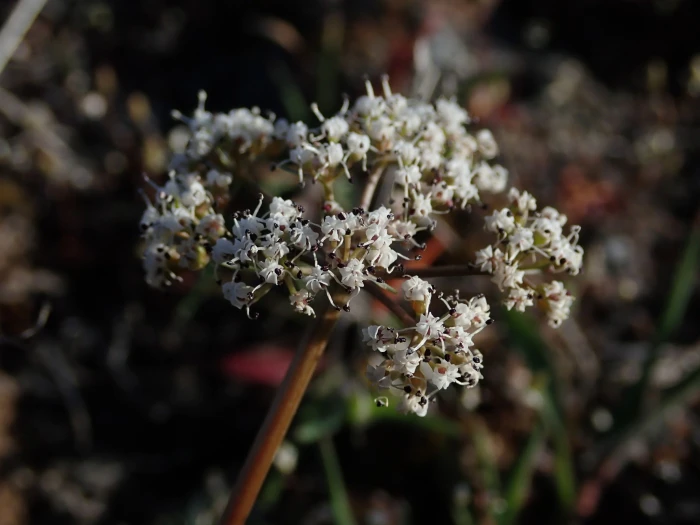

Nolan Exe
CC BY 4.0

Image By:
Nolan Exe
Recorded By:
Copyright:
CC BY 4.0
Copyright Notice:
Photo by: Nolan Exe | License Type: CC BY 4.0 | License URL: http://creativecommons.org/licenses/by/4.0/ | Rights Holder: Nolan Exe | Publisher: iNaturalist | Date Created: 2022-03-31T20:27:12-07:00 |





Summary
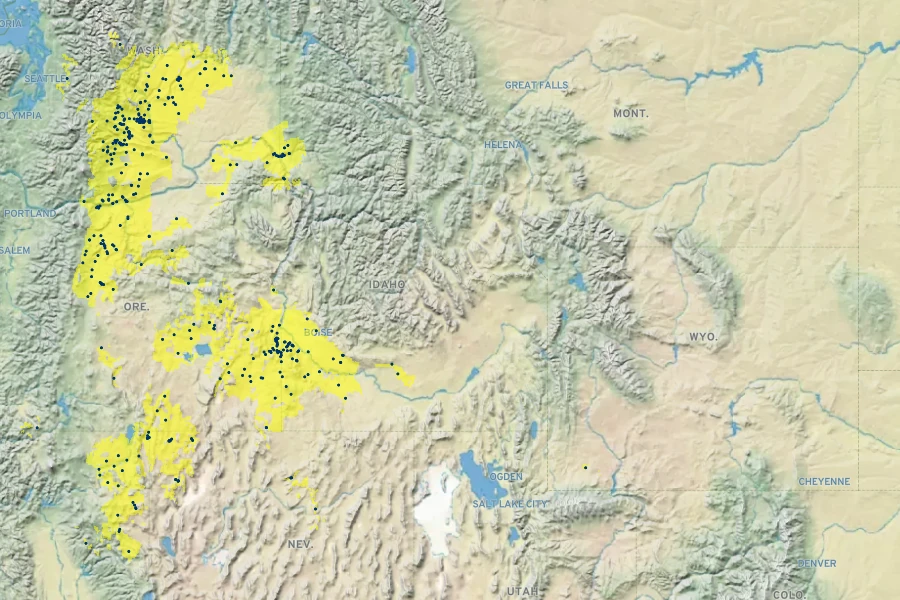
Lomatium canbyi, commonly known as Canby’s biscuitroot, is a perennial herb native to the arid regions of the Pacific Northwest and northeastern California, specifically found in sagebrush steppe ecosystems, dry meadows, and rocky outcrops. It is adapted to survive in these harsh environments with its deep taproot system. The plant typically has flower stalks that can reach up to 10 inches tall, with highly divided, compound leaves that emerge early in the spring. The inflorescence is a dense umbel of small, whitish flowers that bloom from April to June, depending on elevation and latitude. The plant’s appearance is modest, yet the flowers are attractive when viewed up close.
Canby’s biscuitroot is valued for its historical use as a food source by indigenous peoples, such as the Klamath and Modoc, who consumed its starchy roots. In modern cultivation, it is appreciated for its drought tolerance and can be used in xeriscaping, native plant gardens, and restoration projects. It requires minimal water once established, thrives in well-drained soils, and prefers full sun to partial shade. While not commonly found in the horticultural trade, it is of interest to native plant enthusiasts and those looking to create habitat for pollinators.CC BY-SA 4.0
Canby’s biscuitroot is valued for its historical use as a food source by indigenous peoples, such as the Klamath and Modoc, who consumed its starchy roots. In modern cultivation, it is appreciated for its drought tolerance and can be used in xeriscaping, native plant gardens, and restoration projects. It requires minimal water once established, thrives in well-drained soils, and prefers full sun to partial shade. While not commonly found in the horticultural trade, it is of interest to native plant enthusiasts and those looking to create habitat for pollinators.CC BY-SA 4.0
Plant Description
- Plant Type: Herb
- Height: 0.5-1.5 feet
- Width: 0.5-1 feet
- Growth Rate: Moderate
- Flower Color: White
- Flowering Season: Spring, Summer
- Leaf Retention: Deciduous
Growth Requirements
- Sun: Full Sun, Part Shade
- Drainage: Fast, Medium
Common Uses
Drought Tolerant, Low Maintenance
Natural Habitat
Sagebrush steppe ecosystems, dry meadows, and rocky outcrops
Other Names
Common Names: Canby’s Desert Parsley, Chucklusa
Scientific Names: Lomatium canbyi, Cogswellia canbyi, Peucedanum canbyi
GBIF Accepted Name: Lomatium canbyi