Common Sea Lavender
/
(Limonium vulgare)
Common Sea Lavender (Limonium vulgare)
/


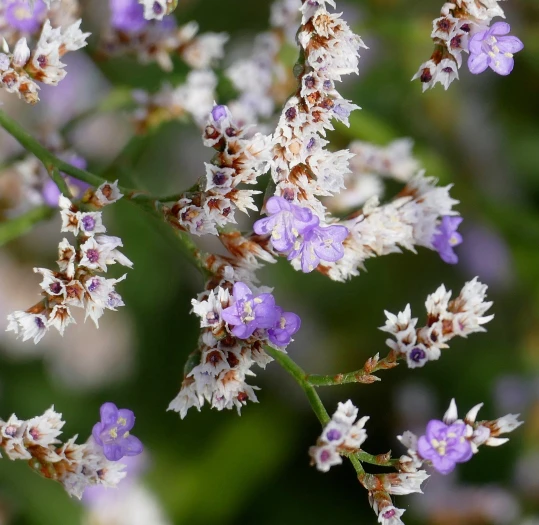

Bernard DUPONT
CC BY-SA 2.0






Summary
Common Sea Lavender is valued for its tolerance to salt and drought, making it suitable for seaside gardens and xeriscaping. It is also used as a border plant or for ground cover in areas with poor, saline soils. In cultivation, it requires full sun and well-drained soil. While it is generally low-maintenance, it can suffer from root rot in overly wet conditions. There are no widely known serious disease or pest issues. Gardeners should verify local guidance before planting outside its native range to avoid unwanted spread.CC BY-SA 4.0
Plant Description
- Plant Type: Shrub, Herb, Subshrub
- Height: 1-2 feet
- Width: 1-2 feet
- Growth Rate: Moderate
- Flower Color: Purple, Pink
- Flowering Season: Summer, Fall
- Leaf Retention: Semi-deciduous
Growth Requirements
- Sun: Full Sun
- Drainage: Slow, Medium, Fast
Common Uses
Bee Garden, Bird Garden, Butterfly Garden, Deer Resistant, Drought Tolerant, Hummingbird Garden, Low Maintenance
Natural Habitat
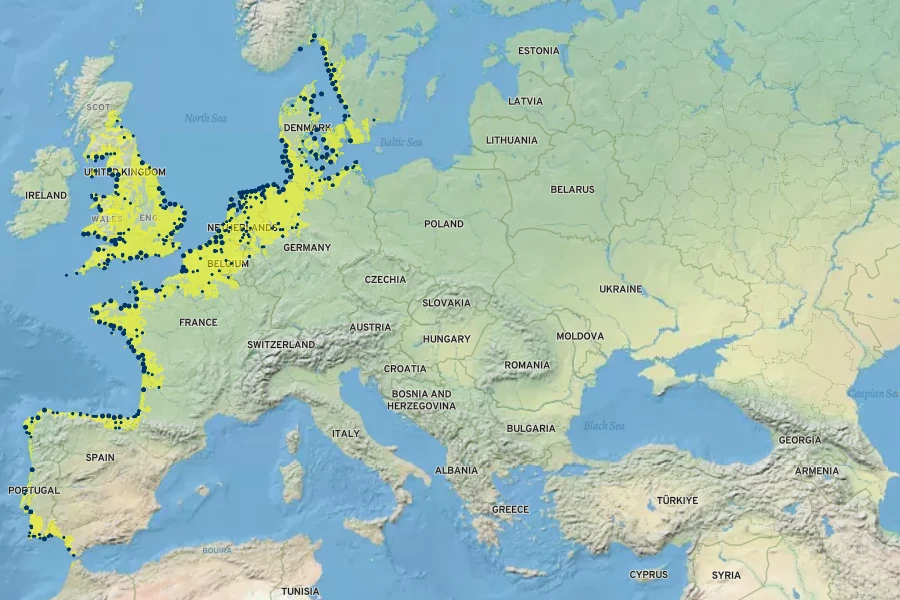
native to coastal salt marshes, saline soils, and alkaline grasslands in Western and Southern Europe
Other Names
Common Names: Common Sea-Lavender, Mediterranean Sealavender, Common Sea Lavender, Marsh Rosemary, Tætblomstret Hindebæger, Violette Strandnelke, Statice Vulgaire, Immortelle Bleue, Lavande De Mer, Limonium Vulgaire
Scientific Names: Limonium commune, Limonium vulgare, Statice limonium, Limonium vulgare subsp. pseudolimonium, Statice behen, Limonium vulgare subsp. vulgare, Limonium limonium, Statice pseudolimonium, Statice scanica
GBIF Accepted Name: Limonium vulgare Mill.