European Privet
/
(Ligustrum vulgare)
European Privet (Ligustrum vulgare)
/


Andreas Rockstein
CC BY-SA 2.0






Summary
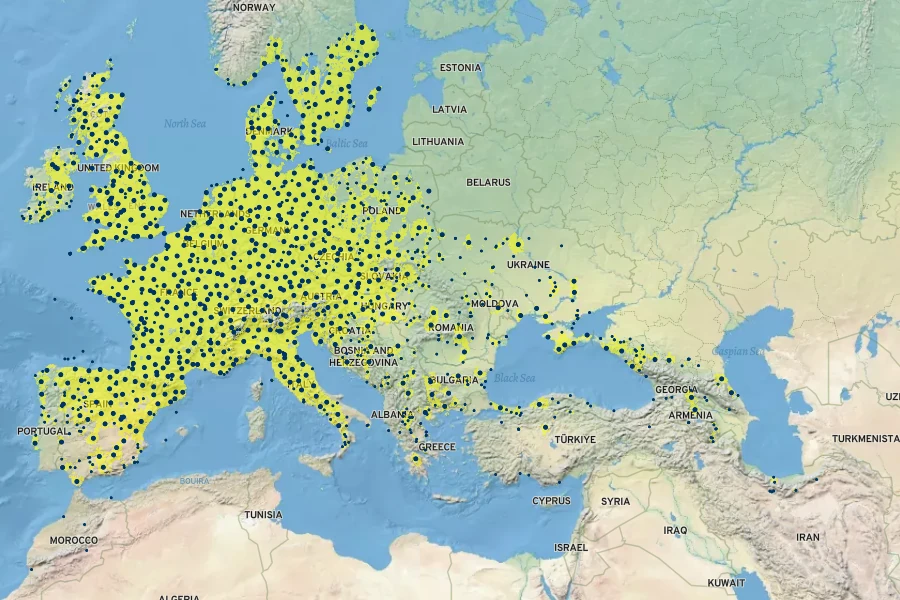
European Privet is valued for its hardiness and is often used in hedgerows, urban plantings, and as a border shrub. It is adaptable to a range of conditions, performing well in full sun to part shade and requiring medium water. It thrives in soils with medium to slow drainage. While it is the only native privet in the British Isles, particularly in southern England and Wales, it is considered potentially invasive in other regions including Australia, Canada, New Zealand, the United States, and has fully naturalized in Mexico and Argentina.CC BY-SA 4.0
Plant Description
- Plant Type: Shrub
- Height: 10-15 feet
- Width: 8-15 feet
- Growth Rate: Rapid
- Flower Color: White
- Flowering Season: Spring, Summer
- Leaf Retention: Deciduous, Semi-deciduous
Growth Requirements
- Sun: Full Sun, Part Shade
- Drainage: Medium, Slow
Common Uses
Bee Garden, Bird Garden, Border Plant, Butterfly Garden, Deer Resistant, Drought Tolerant, Fragrant, Hedges, Hummingbird Garden, Rabbit Resistant, Salt Tolerant, Showy Flowers
Natural Habitat
Open woodlands, forest edges, and scrub areas across Europe, North Africa, and parts of West Asia
Other Names
Common Names: Wild Privet, Common Privet, Privet, Privet-Hedge, Gewone Liguster, Almindelig Liguster, Liguster, Gewöhnlicher Liguster, Alheña, Ligustro
Scientific Names: Ligustrum vulgare, Ligustrum vulgare f. lodense, Ligustrum lodense, Ligustrum sempervirens, Ligustrum occidentale, Ligustrum vulgare var. vulgare, Ligustrum insulense, Ligustrum vulgare f. xanthocarpum, Ligustrum vulgare var. auriflorum, Ligustrum vulgare var. chlorocarpum
GBIF Accepted Name: Ligustrum vulgare L.