Texas Blazing Star
/
(Liatris mucronata)
Texas Blazing Star (Liatris mucronata)
/


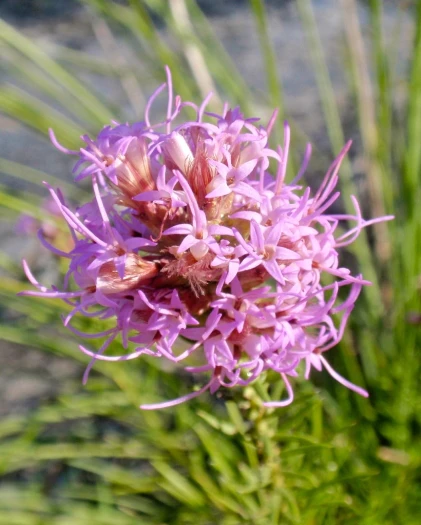

John Pavelka
CC BY 2.0

Image By:
John Pavelka
Recorded By:
Copyright:
CC BY 2.0
Copyright Notice:
Photo by: John Pavelka | License Type: CC BY 2.0 | License URL: https://creativecommons.org/licenses/by-sa/2.0/ | Uploader: John Pavelka | Publisher: Flickr |





Summary
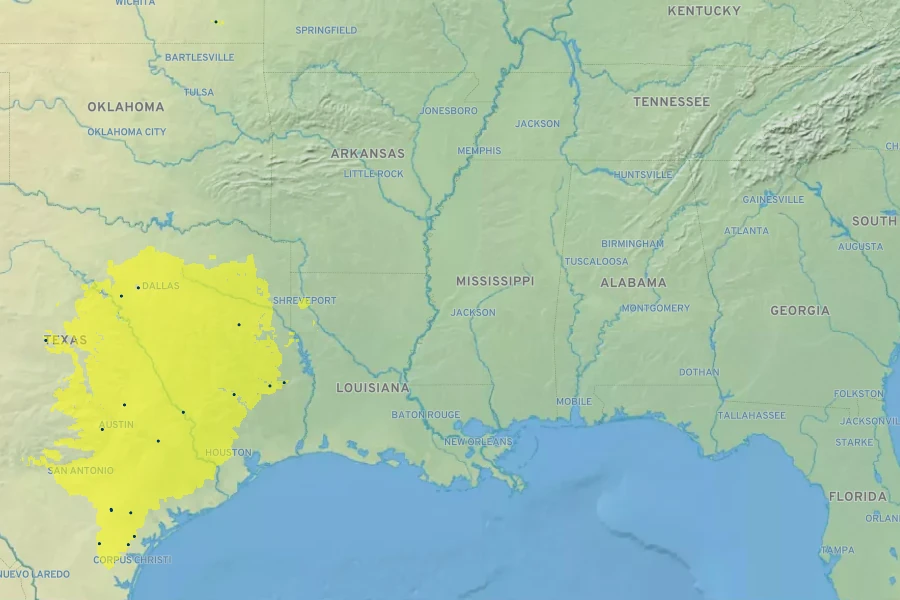
Liatris mucronata, commonly known as Texas Blazing Star, is a deciduous perennial herb native to the prairies and grasslands of Texas and the Central United States, particularly thriving in areas with well-drained soils. It typically grows to a height of 1-3 feet (0.3-0.9 meters) and a width of 1-2 feet (0.3-0.6 meters). The plant forms upright, grass-like clumps and produces tall spikes of densely packed purple flowers that bloom from late summer into fall, offering a showy display that attracts butterflies and other pollinators.
Texas Blazing Star is valued for its drought tolerance and low maintenance requirements, making it an excellent choice for xeriscaping and naturalistic plantings. It is also used in perennial borders, wildflower meadows, and as a cut flower due to its long vase life. This species prefers full sun exposure and can tolerate a range of soil types, provided they have good drainage. While generally pest and disease free, it can occasionally suffer from root rot if grown in poorly drained soils.CC BY-SA 4.0
Texas Blazing Star is valued for its drought tolerance and low maintenance requirements, making it an excellent choice for xeriscaping and naturalistic plantings. It is also used in perennial borders, wildflower meadows, and as a cut flower due to its long vase life. This species prefers full sun exposure and can tolerate a range of soil types, provided they have good drainage. While generally pest and disease free, it can occasionally suffer from root rot if grown in poorly drained soils.CC BY-SA 4.0
Plant Description
- Plant Type: Herb
- Height: 1-2.5 feet
- Width: 1-2 feet
- Growth Rate: Moderate
- Flower Color: Purple
- Flowering Season: Summer, Fall
- Leaf Retention: Deciduous
Growth Requirements
- Sun: Full Sun
- Drainage: Medium, Fast
Common Uses
Bee Garden, Bird Garden, Butterfly Garden, Deer Resistant, Drought Tolerant, Fire Resistant, Groundcover, Hummingbird Garden, Low Maintenance, Rabbit Resistant, Showy Flowers, Street Planting
Natural Habitat
Prairies and grasslands with well-drained soils
Other Names
Common Names: Bottlebrush Blazing Star, Narrow-Leaved Gayfeather
Scientific Names: Liatris mucronata
GBIF Accepted Name: Liatris mucronata Torr. & A.Gray, 1842