Acacia-Leaf Conebush
/
(Leucadendron macowanii)
Acacia-Leaf Conebush (Leucadendron macowanii)
/


Jeremy Gilmore
CC BY 4.0

Image By:
Jeremy Gilmore
Recorded By:
Copyright:
CC BY 4.0
Copyright Notice:
Photo by: Jeremy Gilmore | License Type: CC BY 4.0 | License URL: http://creativecommons.org/licenses/by/4.0/ | Rights Holder: Jeremy Gilmore | Publisher: iNaturalist | Date Created: 2021-10-02T12:21:04-07:00 |





Summary
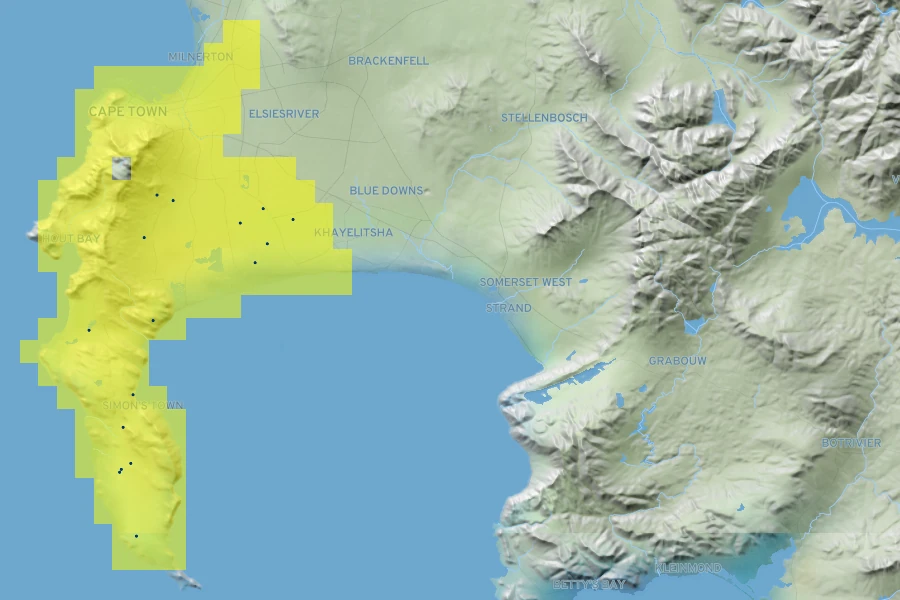
Leucadendron macowanii, commonly known as Acacia-Leaf Conebush, is an evergreen shrub native to the fynbos region of Southwestern South Africa, where it thrives in well-drained, sandy soils and is adapted to a Mediterranean climate with wet winters and dry summers. This species typically grows to a height of 2.3 meters (7.5 feet) and is characterized by its narrow, acacia-like leaves and yellowish-green flowers, which are not particularly showy but have a subtle beauty. The flowering season extends from May to July, and the plant is dioecious, with separate male and female plants. The female plants produce cones that store seeds until they are released following fire, which is a common ecological trigger in its native fynbos habitat.
The Acacia-Leaf Conebush is valued for its unique foliage and architectural form, making it a striking addition to water-wise gardens, Mediterranean landscapes, and as a feature plant in rockeries. It is also used in floral arrangements for its interesting cones and foliage. Cultivation requires a sunny position with well-drained soil, and the plant is drought-tolerant once established, requiring only moderate watering. It is not commonly affected by diseases but can be susceptible to root rot if overwatered. Gardeners should be aware that Leucadendron macowanii requires space to accommodate its mature size and should be planted with consideration for its potential to spread through seed after fire events.CC BY-SA 4.0
The Acacia-Leaf Conebush is valued for its unique foliage and architectural form, making it a striking addition to water-wise gardens, Mediterranean landscapes, and as a feature plant in rockeries. It is also used in floral arrangements for its interesting cones and foliage. Cultivation requires a sunny position with well-drained soil, and the plant is drought-tolerant once established, requiring only moderate watering. It is not commonly affected by diseases but can be susceptible to root rot if overwatered. Gardeners should be aware that Leucadendron macowanii requires space to accommodate its mature size and should be planted with consideration for its potential to spread through seed after fire events.CC BY-SA 4.0
Plant Description
- Plant Type: Shrub
- Height: 5-6 feet
- Width: 5-6 feet
- Growth Rate: Rapid
- Flower Color: Yellow, Red
- Flowering Season: Winter
- Leaf Retention: Evergreen
Growth Requirements
- Sun: Full Sun
- Drainage: Fast
Common Uses
Bee Garden, Drought Tolerant, Low Maintenance, Showy Flowers
Natural Habitat
Fynbos region of Southwestern South Africa
Other Names
Common Names:
Scientific Names: Leucadendron macowanii
GBIF Accepted Name: Leucadendron macowanii Phillips