Vartan’s Iris
/
(Iris vartanii)
Vartan’s Iris (Iris vartanii)
/


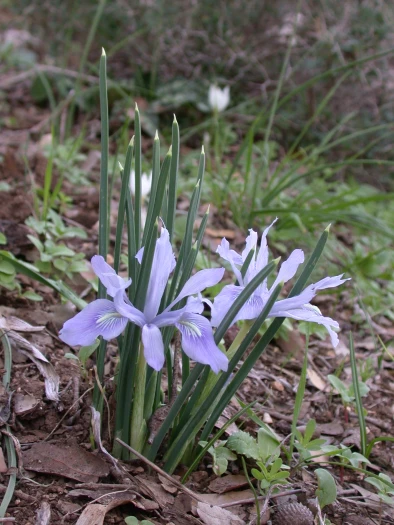

Gideon Pisanty Gidip
CC BY 3.0

Image By:
Gideon Pisanty Gidip
Recorded By:
Copyright:
CC BY 3.0
Copyright Notice:
Photo by: Gideon Pisanty Gidip | License Type: CC BY 3.0 | License URL: https://creativecommons.org/licenses/by/3.0 | Uploader: Gidip | Publisher: Wikimedia Commons | Title: Iris_vartanii_1.JPG | Notes: Uploaded a work by Murray Fagg from https://biocache.ala.org.au/occurrences/cf325873-3f13-47ae-8c99-f7023502254f with UploadWizard |



Summary
Iris vartanii, commonly known as Vartan’s Iris, is an evergreen perennial herb native to rocky slopes and open woodlands in the Levant region, including countries like Lebanon and Israel. It typically grows to a height and width of approximately 1 foot (0.3 meters). The plant features narrow, sword-shaped leaves and produces showy blue and purple flowers during the fall and winter months, which is unusual for irises and adds interest to the garden during a time when few other plants are in bloom.
Vartan’s Iris is valued for its winter flowering habit and vibrant flower colors, which can enliven a garden when most other plants are dormant. It is suitable for rock gardens, borders, and as a specimen plant in alpine houses or bulb frames. While it prefers full sun, it can tolerate light shade and requires medium amounts of water with well-draining soil. It is important to protect the foliage from snow and ice to prevent damage that can affect bulb health. Despite its early bloom time, it is surprisingly hardy to USDA Zone 3, making it a resilient choice for cold climates. However, gardeners should be aware that in areas with harsh winter conditions, it may be best to grow this iris in a protected environment to ensure its survival and flowering the following year.CC BY-SA 4.0
Vartan’s Iris is valued for its winter flowering habit and vibrant flower colors, which can enliven a garden when most other plants are dormant. It is suitable for rock gardens, borders, and as a specimen plant in alpine houses or bulb frames. While it prefers full sun, it can tolerate light shade and requires medium amounts of water with well-draining soil. It is important to protect the foliage from snow and ice to prevent damage that can affect bulb health. Despite its early bloom time, it is surprisingly hardy to USDA Zone 3, making it a resilient choice for cold climates. However, gardeners should be aware that in areas with harsh winter conditions, it may be best to grow this iris in a protected environment to ensure its survival and flowering the following year.CC BY-SA 4.0
Plant Description
- Plant Type: Bulb
- Height: 0.3-0.8 feet
- Width: 0.375-1 feet
- Growth Rate: Moderate
- Flower Color: Blue, Purple
- Flowering Season: Fall, Winter
- Leaf Retention: Evergreen
Growth Requirements
- Sun: Full Sun
- Drainage: Medium, Fast
Common Uses
Bee Garden, Bird Garden, Butterfly Garden, Deer Resistant, Hummingbird Garden, Low Maintenance, Rabbit Resistant, Showy Flowers
Natural Habitat
Rocky slopes and open woodlands in the Levant region
Other Names
Common Names: Iris
Scientific Names: Iris vartanii, Iridodictyum vartanii
GBIF Accepted Name: Iris vartanii Foster