Plicate Sweet-Grass
/
(Glyceria notata)
Plicate Sweet-Grass (Glyceria notata)
/


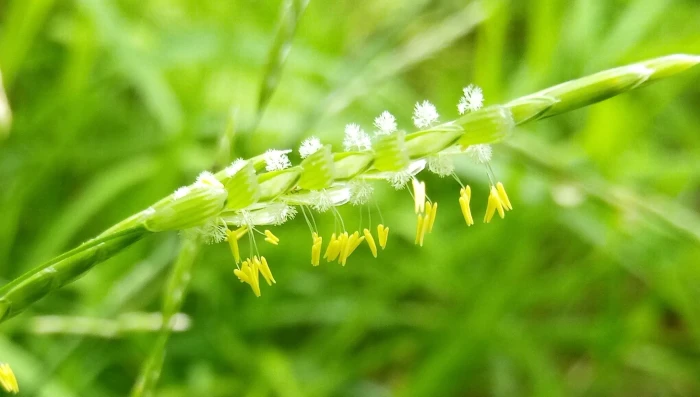

Vladimír Fuka
CC BY 4.0

Image By:
Vladimír Fuka
Recorded By:
Copyright:
CC BY 4.0
Copyright Notice:
Photo by: Vladimír Fuka | License Type: CC BY 4.0 | License URL: http://creativecommons.org/licenses/by/4.0/ | Rights Holder: Vladimír Fuka | Publisher: iNaturalist | Date Created: 2023-07-04T10:44:55-07:00 |





Summary
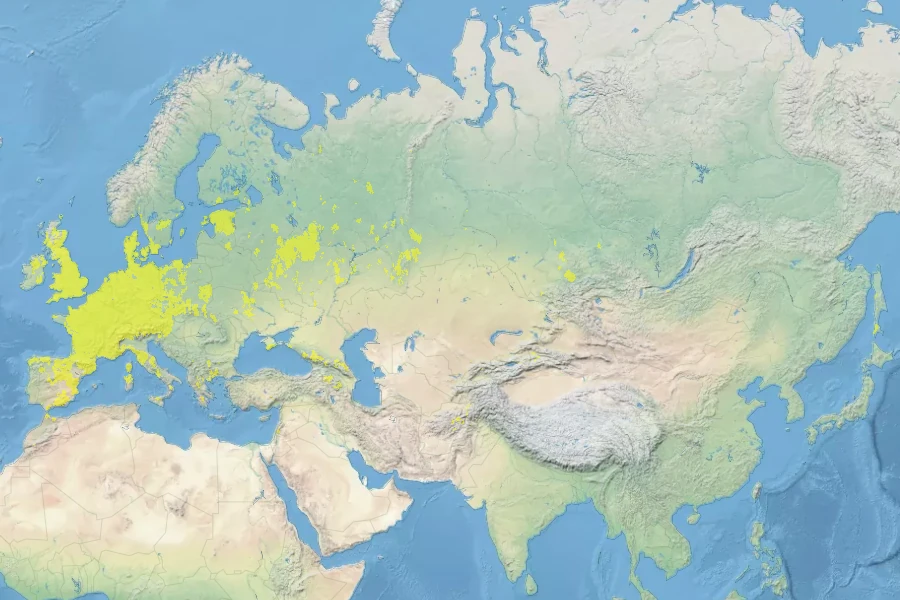
Glyceria notata, commonly known as Plicate Sweet-grass or Marked Glyceria, is a rhizomatous tufted perennial grass that is part of the mannagrass genus, and is native to Eurasia and North Africa. It is not inherently invasive globally but can be aggressive in certain conditions, particularly in wetlands and riparian zones where it can outcompete native species. It typically grows to a height of 12-31 inches with dark to bluish-green flat or folded leaf blades. The plant is noted for its adaptability to various wet environments, which contributes to its potential to become invasive in some regions.
Plicate Sweet-grass is valued for its ability to stabilize soil in wet areas and is sometimes used for erosion control. It thrives in moist to wet soils and can tolerate a range of light conditions from full sun to partial shade. While it is not commonly used in ornamental horticulture, it can be found in naturalized water garden settings. Care should be taken when introducing this species to non-native areas, as it can spread rapidly and may require management to prevent unwanted expansion. It is known as invasive in some parts of the world.CC BY-SA 4.0
Plicate Sweet-grass is valued for its ability to stabilize soil in wet areas and is sometimes used for erosion control. It thrives in moist to wet soils and can tolerate a range of light conditions from full sun to partial shade. While it is not commonly used in ornamental horticulture, it can be found in naturalized water garden settings. Care should be taken when introducing this species to non-native areas, as it can spread rapidly and may require management to prevent unwanted expansion. It is known as invasive in some parts of the world.CC BY-SA 4.0
Plant Description
- Plant Type: Grass
- Height: 1.5-2.5 feet
- Width: 2-3 feet
- Growth Rate: Moderate
- Flower Color: N/A
- Flowering Season: Summer
- Leaf Retention: Semi-deciduous
Growth Requirements
- Sun: Full Sun, Part Shade
- Drainage: Slow, Standing
Common Uses
Erosion Control, Low Maintenance, Water Garden
Natural Habitat
Native to wetlands and riparian zones
Other Names
Common Names: Brown Sweet Grass
Scientific Names: Glyceria notata, Glyceria acutiuscula, Glyceria fluitans subsp. obtusiflora, Glyceria fluitans subsp. plicata, Glyceria fluitans subsp. plicata, Glyceria fluitans subsp. plicata, Glyceria fluitans subsp. plicata, Glyceria fluitans var. notata, Glyceria fluitans var. obtusiflora, Glyceria fluitans var. plicata
GBIF Accepted Name: Glyceria notata