Copse Bindweed
/
(Fallopia dumetorum)
Copse Bindweed (Fallopia dumetorum)
/


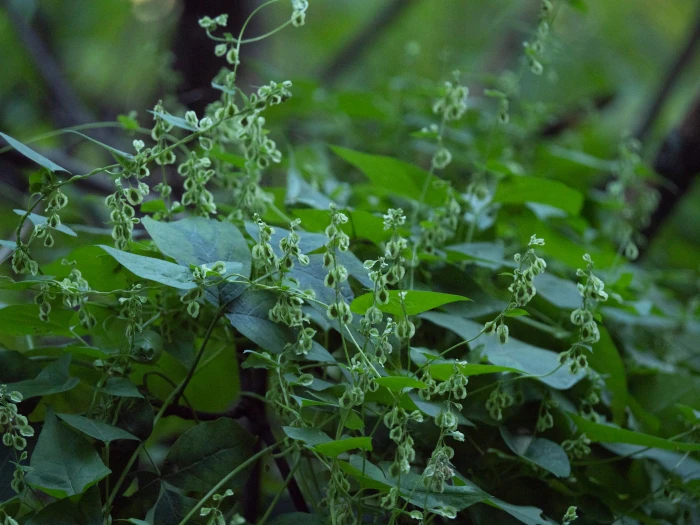

Sergey Khm
CC BY 4.0

Image By:
Sergey Khm
Recorded By:
Copyright:
CC BY 4.0
Copyright Notice:
Photo by: Sergey Khm | License Type: CC BY 4.0 | License URL: http://creativecommons.org/licenses/by/4.0/ | Rights Holder: Sergey Khm | Publisher: iNaturalist | Date Created: 2023-09-10T16:44:03-07:00 |





Summary
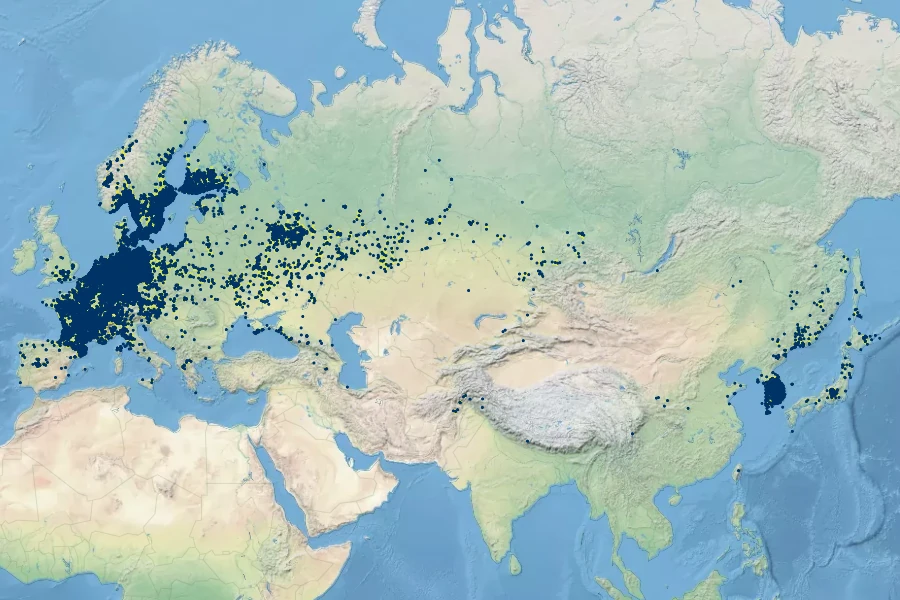
Fallopia dumetorum, commonly known as copse bindweed, is a perennial herbaceous vine native to a wide range of habitats in temperate Eurasia, including forest edges, hedgerows, and scrublands. It is particularly adapted to colonize disturbed areas, which contributes to its invasive potential outside its native range. This species can climb to heights of 3-4 meters by twining around other plants or structures. The leaves are heart-shaped, and the plant produces small, inconspicuous greenish-white flowers from late summer to early autumn.
Copse bindweed is not typically cultivated for ornamental purposes due to its aggressive growth habit and potential to become invasive. However, it can be used for erosion control on slopes or in areas where its spread can be contained. In cultivation, it prefers full sun to part shade and can tolerate a range of soil types, provided they are well-drained. It is drought-tolerant once established and requires minimal maintenance. Gardeners should be cautious when planting Fallopia dumetorum, as it can quickly overtake other vegetation and is difficult to eradicate once established.CC BY-SA 4.0
Copse bindweed is not typically cultivated for ornamental purposes due to its aggressive growth habit and potential to become invasive. However, it can be used for erosion control on slopes or in areas where its spread can be contained. In cultivation, it prefers full sun to part shade and can tolerate a range of soil types, provided they are well-drained. It is drought-tolerant once established and requires minimal maintenance. Gardeners should be cautious when planting Fallopia dumetorum, as it can quickly overtake other vegetation and is difficult to eradicate once established.CC BY-SA 4.0
Plant Description
- Plant Type: Herb, Vine
- Height: 3-10 feet
- Width: 2-2.5 feet
- Growth Rate: Rapid
- Flower Color: White, Cream
- Flowering Season: Summer, Fall
- Leaf Retention: Deciduous
Growth Requirements
- Sun: Full Sun, Part Shade
- Drainage: Medium, Fast
Common Uses
Bird Garden, Border Plant
Natural Habitat
Forest edges, hedgerows, and scrublands in temperate Eurasia
Other Names
Common Names: Copse Bindweed, Hedge Buckwheat, Desert Knotgrass, Hecken-Flügelknöterich, Climbing Buckwheat
Scientific Names: Fallopia dumetorum, Bilderdykia dumetorum, Bilderdykia scandens var. dumetorum, Fagopyrum dumetorum, Fagopyrum membranaceum, Fagopyrum scandens, Fagopyrum sylvaticum, Fallopia dumetorum var. subalata, Helxine dumetorum
GBIF Accepted Name: Fallopia dumetorum