Tartary Buckwheat
/
(Fagopyrum tataricum)
Tartary Buckwheat (Fagopyrum tataricum)
/


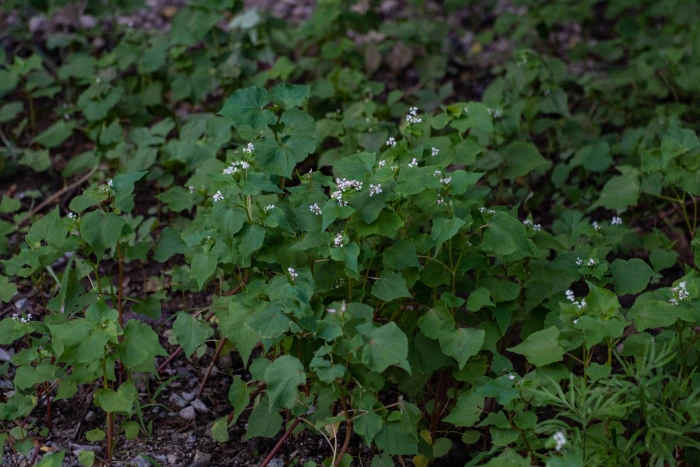

© Yi CHEN
CC BY 4.0






Summary
Tartary buckwheat is valued for its nutritional qualities, including a high content of the flavonoid rutin, which is known for its potential health benefits. It is cultivated for its seeds, which are ground into flour and used in traditional dishes such as noodles and pancakes. The plant is relatively easy to grow, requiring minimal maintenance, and is tolerant of poor soil conditions, although it prefers well-drained soils. It is also used as a cover crop to improve soil health and prevent erosion. In cultivation, Tartary buckwheat thrives in full sun to part shade and requires moderate watering. While it is not commonly grown as an ornamental, its ability to adapt to various conditions makes it a useful plant in sustainable agriculture practices. Potential problems include susceptibility to aphids and fungal diseases in humid conditions.CC BY-SA 4.0
Plant Description
- Plant Type: Herb
- Height: 1.5-2 feet
- Width: 1-1.5 feet
- Growth Rate: Rapid
- Flower Color: White
- Flowering Season: Summer
- Leaf Retention:
Growth Requirements
- Sun: Full Sun, Part Shade
- Drainage: Fast, Medium
Common Uses
Bee Garden, Butterfly Garden, Edible*Disclaimer: Easyscape's listed plant edibility is for informational use. Always verify the safety and proper identification of any plant before consumption., Low Maintenance
Natural Habitat
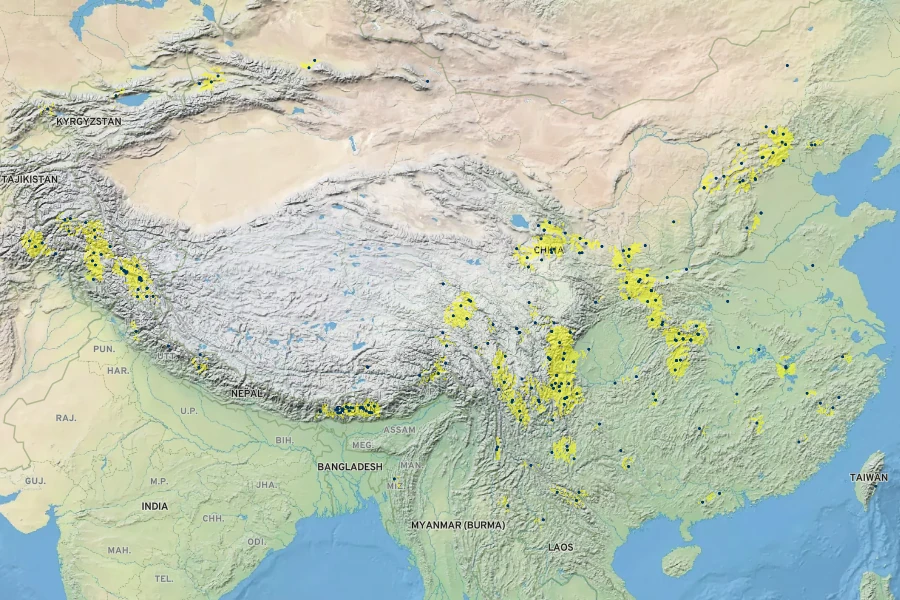
Mountainous regions of the Himalayas and Southwest China, fields, forest margins, and slopes
Other Names
Common Names: Tartary Buckwheat, Falscher Buchweizen, Green Buckwheat, India Buckwheat, India-Wheat, Japanese Buckwheat, Bitter Buckwheat, Kangra Buckwheat
Scientific Names: Fagopyrum tataricum, Fagopyrum dentatum, Fagopyrum rotundatum, Fagopyrum subdentatum, Fagopyrum suffruticosum, Fagopyrum tataricum subsp. himalaicum, Fagopyrum tataricum subsp. potaninii, Fagopyrum tataricum subsp. rotundatum, Fagopyrum tataricum subsp. tuberculatum
GBIF Accepted Name: Fagopyrum tataricum