Flowering Spurge
/
(Euphorbia corollata)
Flowering Spurge (Euphorbia corollata)
/


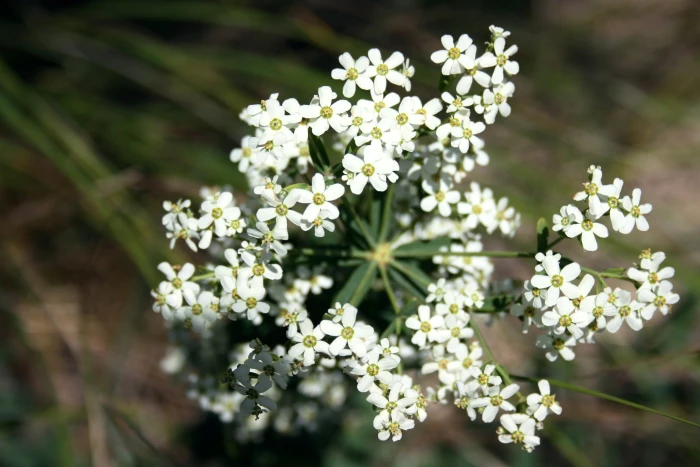

Cody Hough
CC BY-SA 3.0







Summary
Flowering Spurge is valued for its drought tolerance, low maintenance, and the delicate, airy appearance of its blooms. It is often used in naturalistic plantings, wildflower gardens, and as a filler in borders due to its adaptability to various soil types, provided they are well-drained. This plant thrives in full sun but can tolerate part shade. It is also known for its deep taproot, which contributes to its drought resistance but makes it difficult to transplant. Gardeners should be cautious, as the sap of Euphorbia species can be irritating to the skin and eyes.CC BY-SA 4.0
Plant Description
- Plant Type: Herb
- Height: 2-3 feet
- Width: 2-3 feet
- Growth Rate: Moderate
- Flower Color: White
- Flowering Season: Summer, Fall
- Leaf Retention: Deciduous
Growth Requirements
- Sun: Full Sun, Part Shade
- Drainage: Medium
Common Uses
Bank Stabilization, Bee Garden, Bird Garden, Border Plant, Butterfly Garden, Deer Resistant, Drought Tolerant, Groundcover, Low Maintenance, Rabbit Resistant, Rock Garden, Showy Flowers, Street Planting
Natural Habitat
native to open woodlands, prairies, and meadows in the Eastern and Central United States
Other Names
Common Names: Floweringspurge Euphorbia, Poison-Milkweed, Amerikanische Wolfsmilch
Scientific Names: Euphorbia corollata, Euphorbia corollata var. corollata, Euphorbia marilandica, Tithymalopsis corollata, Euphorbia arundelana, Euphorbia olivacea, Euphorbia corollata var. grandiflora, Euphorbia corollata var. glauca, Euphorbia corollata var. joorii
GBIF Accepted Name: Euphorbia corollata L.