Cherry-Of-The-Rio-Grande
/
(Eugenia cerasiflora)
Cherry-Of-The-Rio-Grande (Eugenia cerasiflora)
/


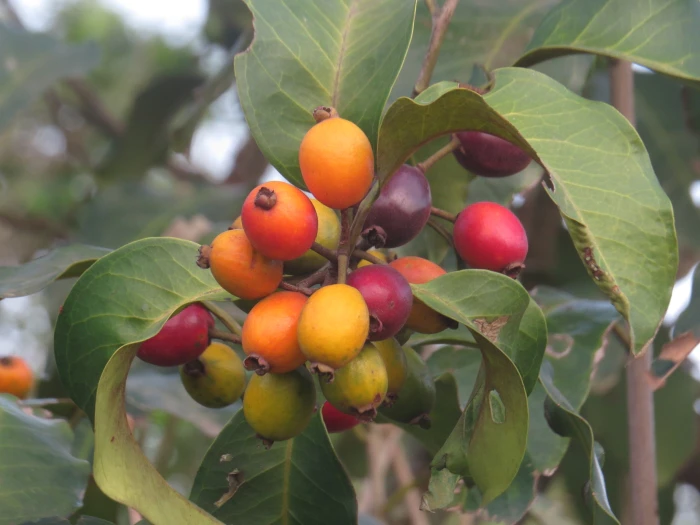

© Diogo Luiz
CC BY-SA 4.0

Image By:
© Diogo Luiz
Recorded By:
Copyright:
CC BY-SA 4.0
Copyright Notice:
Photo by: © Diogo Luiz | License Type: CC BY-SA 4.0 | License URL: http://creativecommons.org/licenses/by-sa/4.0/ | Uploader: diogoluiz | Publisher: iNaturalist |



Summary
Eugenia cerasiflora, commonly known as Suriname Cherry, is an evergreen shrub or small tree native to the Atlantic Forest ecoregion in Brazil. It is often cultivated in tropical and subtropical regions. This species grows at a moderate rate to a typical height of 10-20 feet (3-6 meters) and a width of 8-12 feet (2.4-3.7 meters). The plant features glossy, dark green leaves and white flowers that bloom in the spring, followed by edible, dark red to purple fruits resembling cherries, which are both ornamental and attract wildlife.
Suriname Cherry is valued for its fruit production, ornamental appeal, and relatively easy maintenance. It is used in gardens for border planting, as a specimen tree, or for its edible fruits in home orchards. The plant thrives in full sun to part shade and prefers medium or fast-draining soils such as clay, loam, or sandy types. While generally disease-resistant, it can be susceptible to pests like aphids and scale insects.CC BY-SA 4.0
Suriname Cherry is valued for its fruit production, ornamental appeal, and relatively easy maintenance. It is used in gardens for border planting, as a specimen tree, or for its edible fruits in home orchards. The plant thrives in full sun to part shade and prefers medium or fast-draining soils such as clay, loam, or sandy types. While generally disease-resistant, it can be susceptible to pests like aphids and scale insects.CC BY-SA 4.0
Plant Description
- Plant Type: Tree, Shrub
- Height: 10-20 feet
- Width: 8-12 feet
- Growth Rate: Moderate
- Flower Color: N/A
- Flowering Season: Spring
- Leaf Retention: Evergreen
Growth Requirements
- Sun: Full Sun, Part Shade
- Drainage: Medium, Fast
Common Uses
Bird Garden, Edible*Disclaimer: Easyscape's listed plant edibility is for informational use. Always verify the safety and proper identification of any plant before consumption., Low Maintenance, Potted Plant
Natural Habitat
Native to the Atlantic Forest ecoregion in Brazil
Other Names
Common Names: Rio Grande Cherry, Eugenia
Scientific Names: West Indian Cherry
GBIF Accepted Name: Eugenia cerasiflora