Letterman’s Needlegrass
/
(Eriocoma lettermanii)
Letterman’s Needlegrass (Eriocoma lettermanii)
/


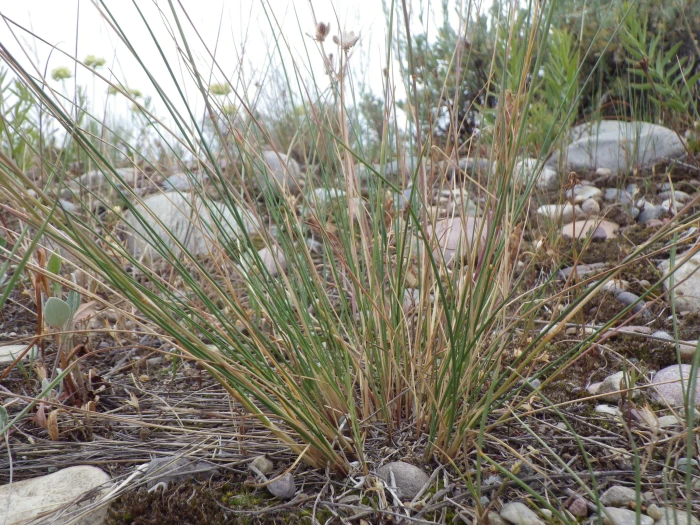

© Matt Lavin
CC BY 4.0

Image By:
© Matt Lavin
Recorded By:
Copyright:
CC BY 4.0
Copyright Notice:
Photo by: © Matt Lavin | License Type: CC BY 4.0 | License URL: http://creativecommons.org/licenses/by/4.0/ | Uploader: mattlavin | Publisher: iNaturalist |





Summary
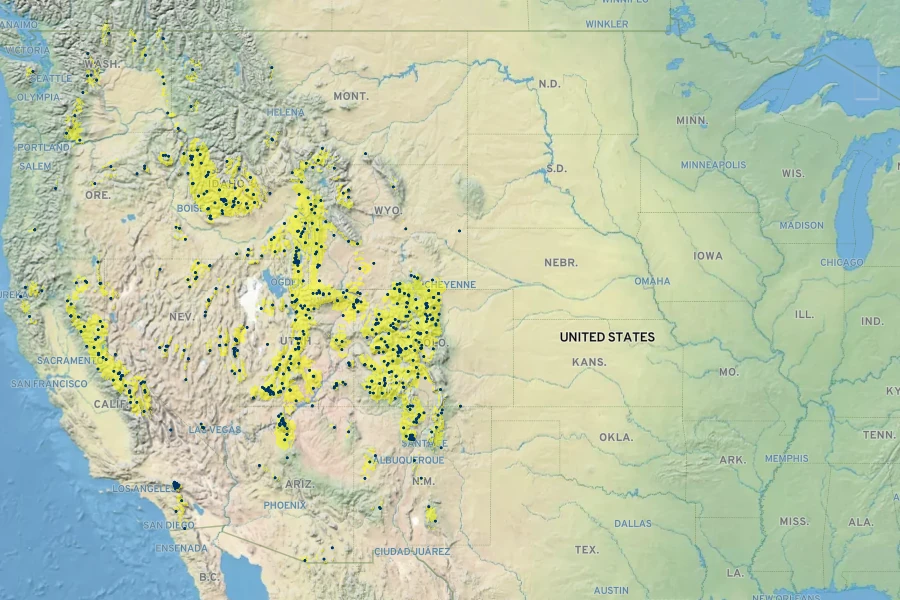
Eriocoma lettermanii, commonly known as Letterman’s needlegrass, is a perennial bunchgrass native to various habitats including open woodlands, grasslands, and alpine regions in the western United States, from California and Oregon to Montana and New Mexico. It typically forms large clumps with erect stems that can reach up to 31 inches tall. The leaves of Letterman’s needlegrass are short, narrow, and slightly curly, contributing to its tufted appearance. The inflorescence, which can be up to 7.5 inches long, features open branches with few spikelets, each less than a centimeter long but with a distinctive awn that can be up to 1 inch in length and has two kinks. This grass is particularly noted for its resilience and ability to thrive in poor soils.
Letterman’s needlegrass is valued for its low maintenance requirements and its ability to stabilize soil, making it a good choice for restoration projects and erosion control in its native range. It is also used in ornamental plantings for its unique texture and form. This grass prefers full sun to partial shade and is drought-tolerant once established, requiring minimal supplemental watering. It is adaptable to a variety of soil types, provided they have good drainage. There are no major disease or pest issues associated with Eriocoma lettermanii, but it can become sparse in overly rich or waterlogged soils.CC BY-SA 4.0
Letterman’s needlegrass is valued for its low maintenance requirements and its ability to stabilize soil, making it a good choice for restoration projects and erosion control in its native range. It is also used in ornamental plantings for its unique texture and form. This grass prefers full sun to partial shade and is drought-tolerant once established, requiring minimal supplemental watering. It is adaptable to a variety of soil types, provided they have good drainage. There are no major disease or pest issues associated with Eriocoma lettermanii, but it can become sparse in overly rich or waterlogged soils.CC BY-SA 4.0
Plant Description
- Plant Type: Grass
- Height: 1-2 feet
- Width: 1-1.5 feet
- Growth Rate: Moderate
- Flower Color: N/A
- Flowering Season: Summer
- Leaf Retention: Deciduous
Growth Requirements
- Sun: Full Sun
- Drainage: Fast
Common Uses
Drought Tolerant, Erosion Control, Low Maintenance
Natural Habitat
Open woodlands, grasslands, and alpine regions
Other Names
Common Names:
Scientific Names: Eriocoma lettermanii, Achnatherum lettermanii, Stipa lettermanii, Stipa minor, Stipa occidentalis var. minor, Stipa viridula var. lettermanii, Stipa viridula var. minor
GBIF Accepted Name: Eriocoma lettermanii