Siberian Wildrye
/
(Elymus sibiricus)
Siberian Wildrye (Elymus sibiricus)
/


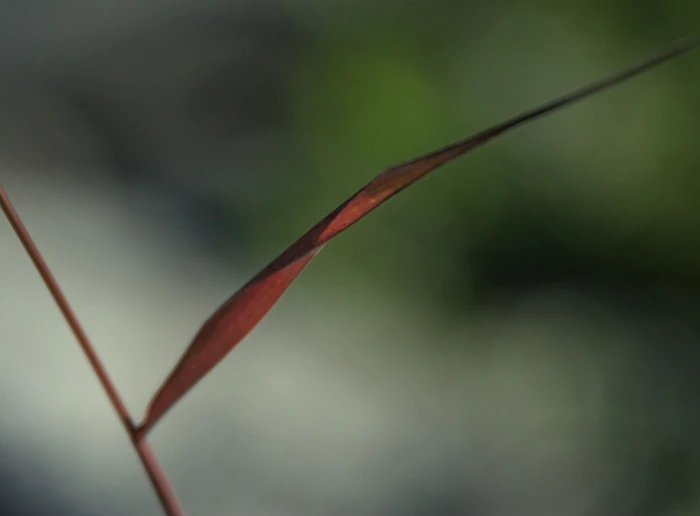

Pavel Komkov
CC BY 4.0

Image By:
Pavel Komkov
Recorded By:
Copyright:
CC BY 4.0
Copyright Notice:
Photo by: Pavel Komkov | License Type: CC BY 4.0 | License URL: http://creativecommons.org/licenses/by/4.0/ | Rights Holder: Pavel Komkov | Publisher: iNaturalist | Date Created: 2022-08-16T08:35:45-07:00 |





Summary
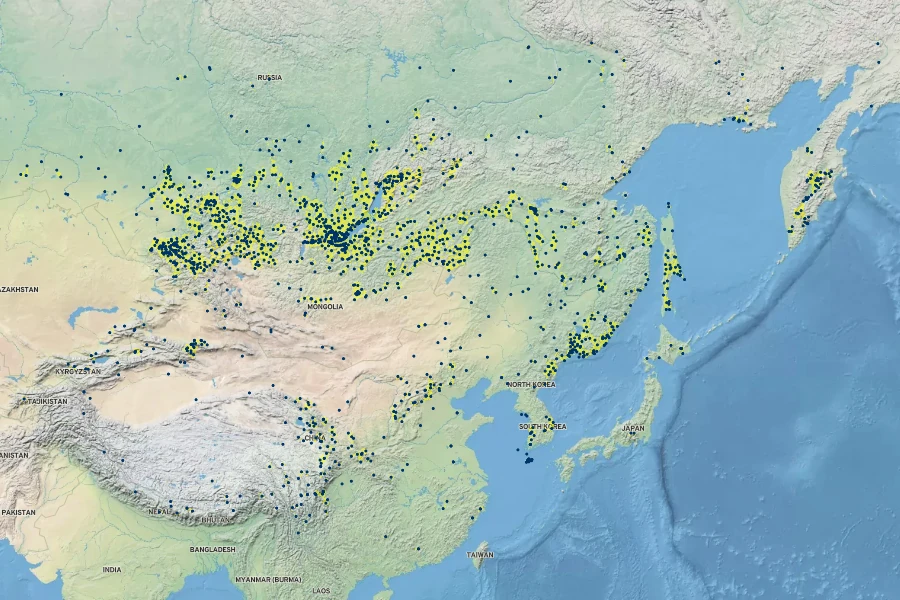
Elymus sibiricus, commonly known as Siberian wildrye, is a perennial grass native to the grasslands and open woodlands of temperate regions of Asia, including Siberia and northern China. It typically grows up to 4 feet tall with a similar spread, featuring blue-green leaves and erect, slender stems. Siberian wildrye blooms in the summer, producing spikes of wheat-like flowers that are not particularly showy but add a textural element to the landscape. The plant’s ability to withstand cold temperatures makes it a hardy choice for northern climates.
Siberian wildrye is valued for its robust growth and adaptability to a variety of soil conditions, from sandy to clay soils, provided they are well-drained. It is drought-tolerant once established, making it a low-maintenance option for gardeners. This grass is commonly used for grazing, erosion control, and as an ornamental grass in gardens, where it can serve as a vertical accent or a component of a mixed border. It is also used in restoration projects to stabilize soils and reclaim disturbed lands. While generally disease-resistant, it can be susceptible to rust in humid conditions. Siberian wildrye does not typically present problems with aggressive roots when grown outside its native range.CC BY-SA 4.0
Siberian wildrye is valued for its robust growth and adaptability to a variety of soil conditions, from sandy to clay soils, provided they are well-drained. It is drought-tolerant once established, making it a low-maintenance option for gardeners. This grass is commonly used for grazing, erosion control, and as an ornamental grass in gardens, where it can serve as a vertical accent or a component of a mixed border. It is also used in restoration projects to stabilize soils and reclaim disturbed lands. While generally disease-resistant, it can be susceptible to rust in humid conditions. Siberian wildrye does not typically present problems with aggressive roots when grown outside its native range.CC BY-SA 4.0
Plant Description
- Plant Type: Grass
- Height: 1-2.5 feet
- Width: 1-3 feet
- Growth Rate: Moderate
- Flower Color: N/A
- Flowering Season: Spring, Summer
- Leaf Retention: Deciduous
Growth Requirements
- Sun: Full Sun, Part Shade
- Drainage: Fast, Medium
Common Uses
Drought Tolerant, Erosion Control, Low Maintenance
Natural Habitat
Grasslands and open woodlands
Other Names
Common Names: Siberian Wheatgrass, Sand Wild Rye, 개보리
Scientific Names: Elymus sibiricus, Bromus dubius, Bromus dubius, Clinelymus sibiricus, Elymus krascheninnikovii, Elymus pendulosus, Elymus praetervisus, Elymus racemosus, Elymus ramosus
GBIF Accepted Name: Elymus sibiricus