Broom Reed
/
(Elegia equisetacea)
Broom Reed (Elegia equisetacea)
/


Di Turner
Public Domain

Image By:
Di Turner
Recorded By:
Copyright:
Public Domain
Copyright Notice:
Photo by: Di Turner | License Type: Public Domain | License URL: http://creativecommons.org/publicdomain/zero/1.0/ | Rights Holder: Di Turner | Publisher: iNaturalist | Date Created: 2021-05-15T09:55:20-07:00 |





Summary
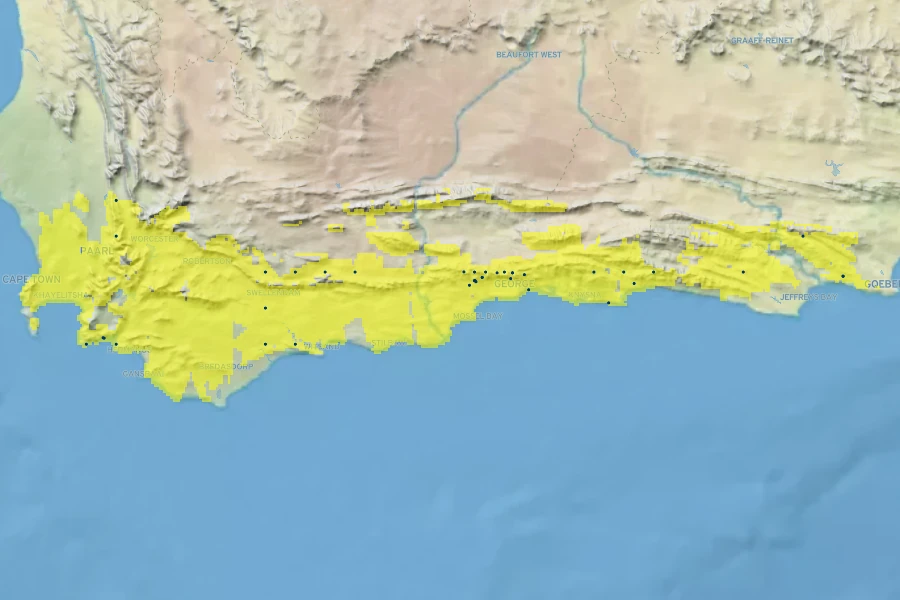
Elegia equisetacea, commonly known as Broom Reed, is an evergreen perennial grass native to the fynbos and coastal plains of the Cape region in South Africa. It typically grows to a height of 1-3 feet (0.3-0.9 meters) and a width of 3-5 feet (0.9-1.5 meters), forming dense tufts of dark green, reed-like stems. The plant’s appearance is characterized by its upright, jointed stems that resemble those of horsetails, and it produces small brown cones at the stem tips during the summer months, although these are not particularly showy. Broom Reed is valued for its architectural form and texture in the garden, providing year-round interest.
Broom Reed is appreciated for its low maintenance requirements and its ability to tolerate windy and coastal conditions, making it an excellent choice for seaside gardens, rockeries, and as an accent plant in mixed borders. It thrives in full sun. Well-drained soil is essential to prevent root rot. While generally pest-free, it can occasionally suffer from rust or fungal diseases in humid conditions. It should be monitored to prevent unwanted spread.CC BY-SA 4.0
Broom Reed is appreciated for its low maintenance requirements and its ability to tolerate windy and coastal conditions, making it an excellent choice for seaside gardens, rockeries, and as an accent plant in mixed borders. It thrives in full sun. Well-drained soil is essential to prevent root rot. While generally pest-free, it can occasionally suffer from rust or fungal diseases in humid conditions. It should be monitored to prevent unwanted spread.CC BY-SA 4.0
Plant Description
- Plant Type: Grass
- Height: 1-3 feet
- Width: 3-5 feet
- Growth Rate: Moderate
- Flower Color: N/A
- Flowering Season: Spring, Summer, Fall
- Leaf Retention: Evergreen
Growth Requirements
- Sun: Full Sun
- Drainage: Fast, Medium
Common Uses
Border Plant, Deer Resistant, Drought Tolerant, Low Maintenance, Potted Plant, Rabbit Resistant, Salt Tolerant
Natural Habitat
native to the fynbos and coastal plains of the Cape region in South Africa
Other Names
Common Names: Horsetail Restio, Restio
Scientific Names: Elegia equisetacea, Elegia propinqua var. equisetacea
GBIF Accepted Name: Elegia equisetacea (Mast.) Mast.