Spreading Snakeherb
/
(Dyschoriste decumbens)
Spreading Snakeherb (Dyschoriste decumbens)
/


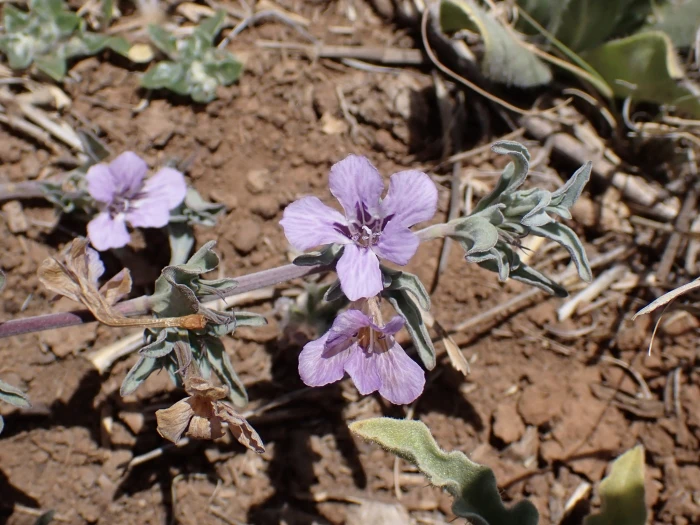

© Sue Carnahan
CC BY 4.0

Image By:
© Sue Carnahan
Recorded By:
Copyright:
CC BY 4.0
Copyright Notice:
Photo by: © Sue Carnahan | License Type: CC BY 4.0 | License URL: http://creativecommons.org/licenses/by/4.0/ | Uploader: suecar | Publisher: iNaturalist |





Summary
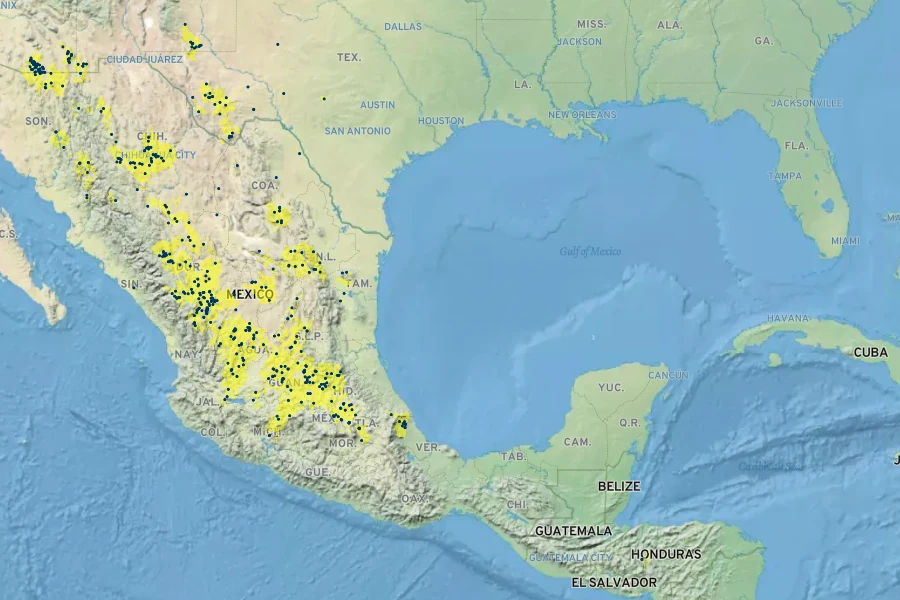
Dyschoriste decumbens, commonly known as Spreading Snakeherb or Creeping Dyschoriste, is a perennial herb that is native to a range of habitats including rocky areas, open woodlands, and grasslands, often on limestone slopes, in the southern United States (Texas), Mexico, and extending into Central America. It typically grows at a moderate rate to a height of 0.5-1.5 feet (0.15-0.45 meters) and spreads 1.5-2 feet (0.45-0.60 meters) wide. This plant features sprawling stems and small, ovate leaves with serrated margins. The purple flowers, which bloom in the summer and fall, are tubular and two-lipped, providing a modest yet attractive display. The plant is not known for significant fruit or berry production.
Spreading Snakeherb is valued for its ground-covering ability, drought tolerance once established, and the charming purple flowers that attract pollinators such as bees and butterflies. It is often used in xeriscaping, rock gardens, and as a border plant in areas with dry conditions. In cultivation, it thrives in full sun to part shade and prefers medium to fast-draining clay, loam, or sandy soils. While it requires medium amounts of water, it is relatively low maintenance and can tolerate periods of drought. Gardeners should be aware that in some conditions, it can spread vigorously, potentially becoming a management issue.CC BY-SA 4.0
Spreading Snakeherb is valued for its ground-covering ability, drought tolerance once established, and the charming purple flowers that attract pollinators such as bees and butterflies. It is often used in xeriscaping, rock gardens, and as a border plant in areas with dry conditions. In cultivation, it thrives in full sun to part shade and prefers medium to fast-draining clay, loam, or sandy soils. While it requires medium amounts of water, it is relatively low maintenance and can tolerate periods of drought. Gardeners should be aware that in some conditions, it can spread vigorously, potentially becoming a management issue.CC BY-SA 4.0
Plant Description
- Plant Type: Herb
- Height: 0.5-1.5 feet
- Width: 1.5-2 feet
- Growth Rate: Moderate
- Flower Color: Purple
- Flowering Season: Summer, Fall
- Leaf Retention: Evergreen
Growth Requirements
- Sun: Full Sun, Part Shade
- Drainage: Fast, Medium
Common Uses
Butterfly Garden, Drought Tolerant, Low Maintenance, Rock Garden
Natural Habitat
Native to rocky areas, open woodlands, and grasslands, often on limestone slopes
Other Names
Common Names: Creeping Dyschoriste
Scientific Names: Dyschoriste decumbens, Calophanes decumbens, Calophanes oblongifolius, Dyschoriste linearis var. decumbens, Dyschoriste schiedeana var. decumbens
GBIF Accepted Name: Dyschoriste decumbens