Mexican Sprangletop
/
(Diplachne fusca subsp. uninervia)
Mexican Sprangletop (Diplachne fusca subsp. uninervia)
/


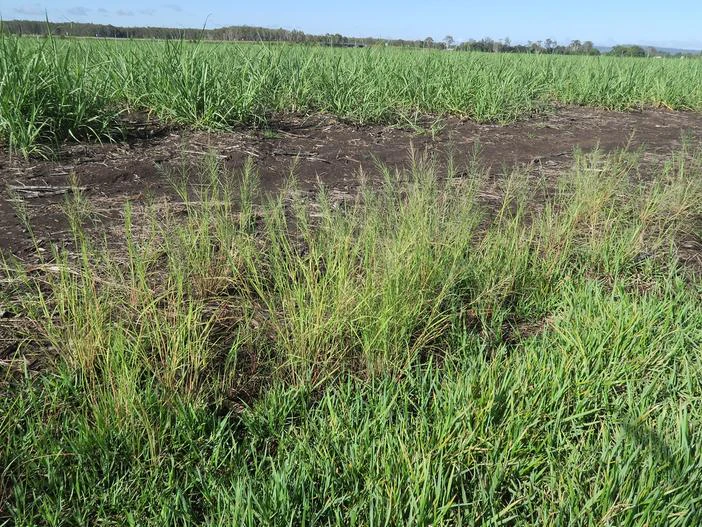

Harry Rose
CC BY 2.0

Image By:
Harry Rose
Recorded By:
Copyright:
CC BY 2.0
Copyright Notice:
Photo by: Harry Rose | License Type: CC BY 2.0 | License URL: https://creativecommons.org/licenses/by/2.0/ | Uploader: Macleay Grass Man | Publisher: Flickr





Summary
Diplachne fusca subsp. uninervia, commonly known as Mexican Sprangletop, is a perennial grass that is native to a wide range of habitats including saline and alkaline soils in desert regions, coastal areas, and disturbed sites globally. It is a rapid grower, reaching heights of 0.5-1.5 feet (0.15-0.5 meters) and spreading 1-2 feet (0.3-0.6 meters) wide. This grass has a tufted habit with linear leaves and produces green or brown flowers that are typically inconspicuous, blooming in the summer. The inflorescences are open panicles that can add a delicate texture to the landscape.
Mexican Sprangletop is valued for its adaptability to poor soil conditions and is often used for soil stabilization and reclamation projects. It is also utilized in ornamental water-wise gardens due to its tolerance of drought once established. In cultivation, it thrives in full sun and can handle a range of soil types, including clay, loam, or sandy soils, as long as they offer medium to fast drainage. While it requires medium amounts of water, it can tolerate periods of drought. This species is not commonly affected by diseases or pests, making it a low-maintenance option for challenging sites. However, it can spread in some areas, so care should be taken to manage its spread.CC BY-SA 4.0
Mexican Sprangletop is valued for its adaptability to poor soil conditions and is often used for soil stabilization and reclamation projects. It is also utilized in ornamental water-wise gardens due to its tolerance of drought once established. In cultivation, it thrives in full sun and can handle a range of soil types, including clay, loam, or sandy soils, as long as they offer medium to fast drainage. While it requires medium amounts of water, it can tolerate periods of drought. This species is not commonly affected by diseases or pests, making it a low-maintenance option for challenging sites. However, it can spread in some areas, so care should be taken to manage its spread.CC BY-SA 4.0
Plant Description
- Plant Type: Grass
- Height: 0.5-1.5 feet
- Width: 1-2 feet
- Growth Rate: Rapid
- Flower Color: N/A
- Flowering Season: Summer
- Leaf Retention: Deciduous
Growth Requirements
- Sun: Full Sun
- Drainage: Medium, Fast
Common Uses
Drought Tolerant, Erosion Control, Low Maintenance, Salt Tolerant
Natural Habitat
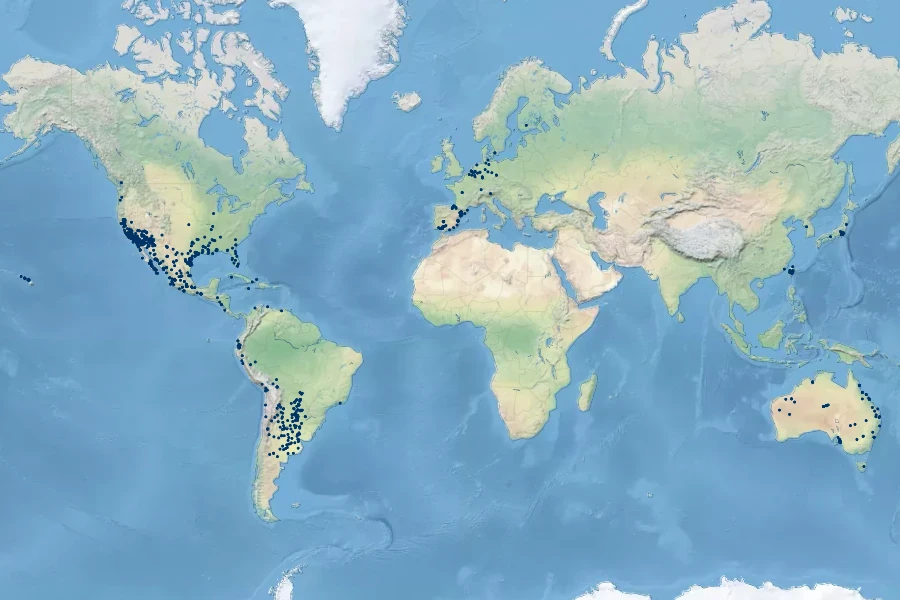
Native to saline and alkaline soils in desert regions, coastal areas, and disturbed sites globally
Other Names
Common Names: Saltgrass, Seashore Saltgrass, Alkali Grass
Scientific Names: Diplachne fusca subsp. uninervia, Atropis carinata, Brizopyrum uninervium, Diplachne carinata, Diplachne carinata, Diplachne festuciformis, Diplachne fusca subsp. macrotricha, Diplachne fusca var. macrotricha, Diplachne fusca var. uninervia
GBIF Accepted Name: Diplachne fusca subsp. uninervia