Fringed Pink
/
(Dianthus superbus)
Fringed Pink (Dianthus superbus)
/


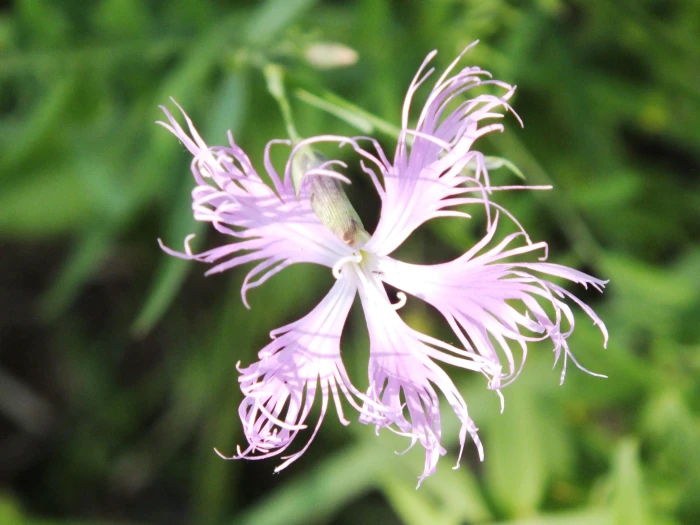

Татьяна Фирсова
Public Domain






Summary
Fringed Pink is valued for its ornamental flowers, which can enhance border plantings, rock gardens, and cottage gardens. It is also used for its fragrance in cut flower arrangements. This plant prefers ordinary to dry, well-drained soil and can tolerate full sun to partial shade, with partial shade being beneficial in hotter climates. It is relatively low maintenance. Deadheading can prolong the flowering season. While it self-sows easily, gardeners should manage seedlings to prevent it from spreading excessively outside desired areas.CC BY-SA 4.0
Plant Description
- Plant Type: Herb
- Height: 0.8-1.5 feet
- Width: 0.8-1.5 feet
- Growth Rate: Moderate
- Flower Color: Pink
- Flowering Season: Summer
- Leaf Retention: Evergreen
Growth Requirements
- Sun: Full Sun
- Drainage: Slow, Medium, Fast
Common Uses
Bank Stabilization, Bee Garden, Bird Garden, Border Plant, Butterfly Garden, Deer Resistant, Drought Tolerant, Edible*Disclaimer: Easyscape's listed plant edibility is for informational use. Always verify the safety and proper identification of any plant before consumption., Fragrant, Groundcover, Hummingbird Garden, Low Maintenance, Rabbit Resistant, Rock Garden, Showy Flowers
Natural Habitat
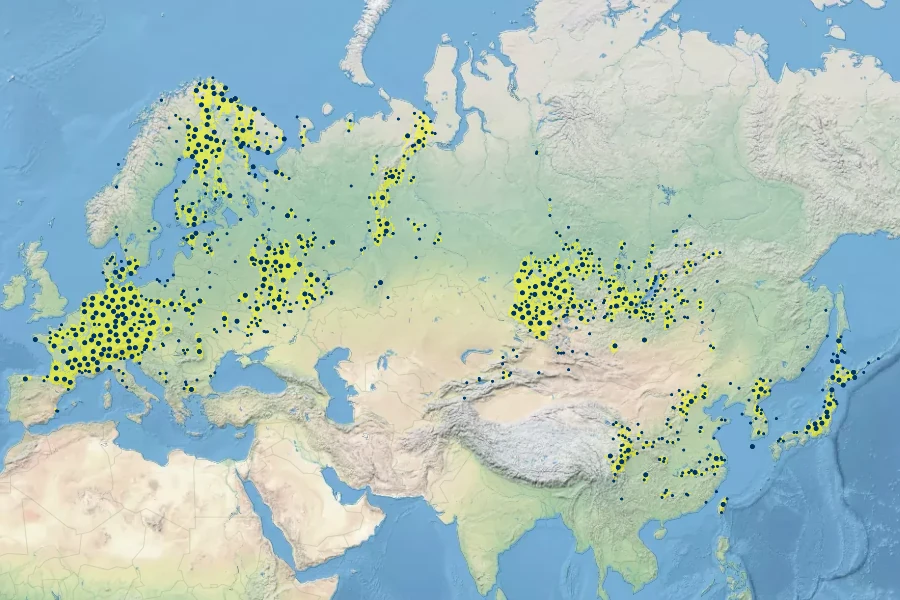
native to temperate regions including grasslands, meadows, and the edges of forests in Europe, Northern and Central Asia, and the Russian Far East
Other Names
Common Names: Feathered Pink, Large Pink, Strand-Nellike, Pracht-Nelke, Pulskaneilikka, Oeillet Superbe, Krašna Nelke, Silkenellik, Prachtanjer, Praktnejlika
Scientific Names: Large Pink
GBIF Accepted Name: Dianthus superbus L.