False Nutsedge
/
(Cyperus pseudovegetus)
False Nutsedge (Cyperus pseudovegetus)
/


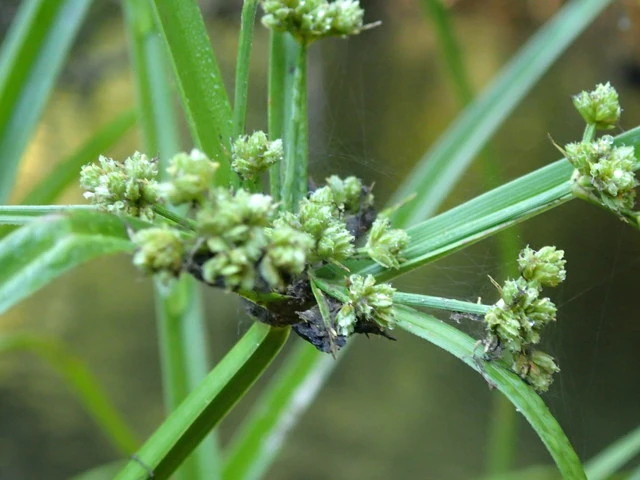

mfeaver
CC BY 4.0

Image By:
mfeaver
Recorded By:
Copyright:
CC BY 4.0
Copyright Notice:
Photo by: mfeaver | License Type: CC BY 4.0 | License URL: http://creativecommons.org/licenses/by/4.0/ | Rights Holder: mfeaver | Publisher: iNaturalist | Date Created: 2021-10-01T08:14:30-07:00 |





Summary
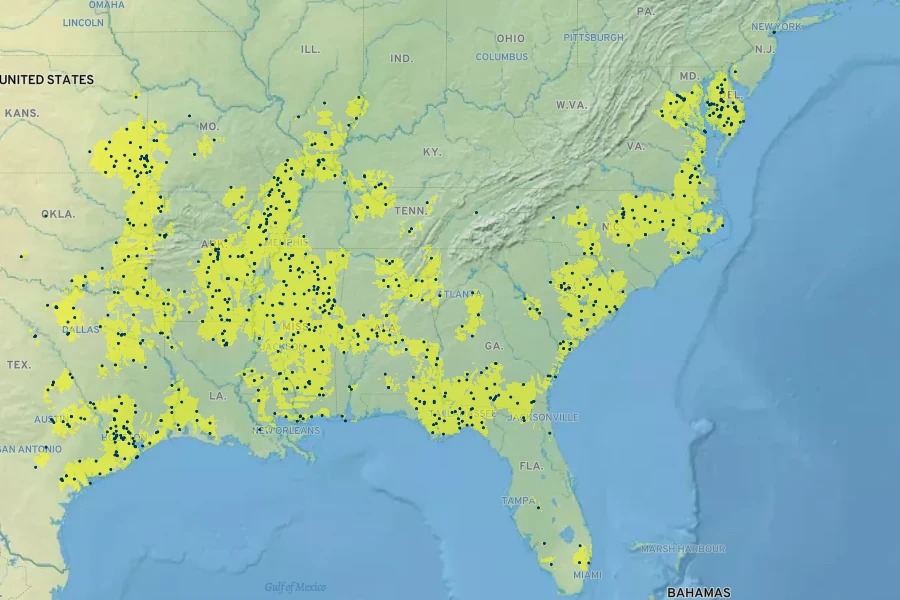
Cyperus pseudovegetus, commonly known as the Marsh Flatsedge, is a perennial herbaceous plant native to freshwater marshes, wet meadows, and the edges of ponds and streams in the southeastern United States, ranging from Texas to the Atlantic Ocean. It was first described by botanist Ernst Gottlieb von Steudel in 1854. This sedge typically grows to a height of 10-35 inches (25-90 cm) and forms dense clumps with triangular stems and grass-like leaves. The inflorescences are umbrella-like clusters of small, greenish-brown spikelets that appear in the summer and are not particularly showy.
Marsh Flatsedge is valued for its ability to stabilize soil and filter water in wetland restoration projects. It is also used in rain gardens and as a ground cover in moist areas of the landscape. This sedge prefers full sun to part shade and requires consistently moist to wet soil conditions. It is not drought-tolerant and may require additional watering during dry periods. While generally low-maintenance, gardeners should be aware of its ability to spread rapidly by rhizomes.CC BY-SA 4.0
Marsh Flatsedge is valued for its ability to stabilize soil and filter water in wetland restoration projects. It is also used in rain gardens and as a ground cover in moist areas of the landscape. This sedge prefers full sun to part shade and requires consistently moist to wet soil conditions. It is not drought-tolerant and may require additional watering during dry periods. While generally low-maintenance, gardeners should be aware of its ability to spread rapidly by rhizomes.CC BY-SA 4.0
Plant Description
- Plant Type: Grass
- Height: 1-2.5 feet
- Width: 1-3 feet
- Growth Rate: Moderate
- Flower Color: N/A
- Flowering Season: Spring, Summer, Fall
- Leaf Retention: Deciduous
Growth Requirements
- Sun: Full Sun, Part Shade
- Drainage: Fast, Medium, Slow
Common Uses
Erosion Control, Low Maintenance, Water Garden
Natural Habitat
Freshwater marshes, wet meadows, and the edges of ponds and streams in the southeastern United States
Other Names
Common Names: False Flat Sedge, False Nutgrass
Scientific Names: Cyperus pseudovegetus, Cyperus calcaratus
GBIF Accepted Name: Cyperus pseudovegetus