Chinese Hawthorn
/
(Crataegus pinnatifida)
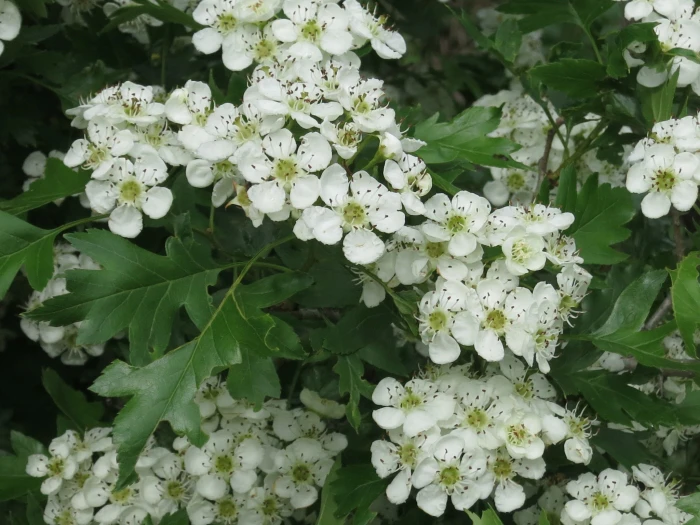
Chinese Hawthorn (Crataegus pinnatifida)
/



Repina Tatyana
CC BY 4.0

Image By:
Repina Tatyana
Recorded By:
Copyright:
CC BY 4.0
Copyright Notice:
Photo by: Repina Tatyana | License Type: CC BY 4.0 | License URL: http://creativecommons.org/licenses/by/4.0/ | Rights Holder: Repina Tatyana | Publisher: iNaturalist | Date Created: 2019-05-31T09:44:26-07:00 |






Summary
Crataegus pinnatifida, commonly known as Chinese hawthorn, is a deciduous tree native to the forest margins, scrublands, and riverbanks of temperate regions in East Asia. It typically grows to a height of 16-25 feet (5-8 meters) with a similar spread, and is characterized by its dense, thorny branches and broad, rounded crown. The leaves are ovate to diamond-shaped with serrated edges. Chinese hawthorn is notable for its clusters of white flowers in late spring, which are moderately showy and give way to bright red fruits, each about 1.5 inches in diameter. These fruits are not only ornamental but also edible, and are used in northern Chinese cuisine for desserts and candies like tanghulu and haw flakes.
The tree is valued for its attractive fruits, which persist into winter, providing visual interest as well as food for wildlife. It is used in urban landscapes, as a specimen tree, and for hedges due to its dense growth habit. Chinese hawthorn prefers well-drained soils and can tolerate a range of conditions, from full sun to partial shade. While it is adaptable to various soil types, it thrives in loamy, slightly acidic to neutral soils. Gardeners should consult local guidance for suitability in their area. Additionally, the tree can be susceptible to leaf spot and rust diseases, and may require occasional pruning to maintain its shape and remove any dead or diseased wood.CC BY-SA 4.0
The tree is valued for its attractive fruits, which persist into winter, providing visual interest as well as food for wildlife. It is used in urban landscapes, as a specimen tree, and for hedges due to its dense growth habit. Chinese hawthorn prefers well-drained soils and can tolerate a range of conditions, from full sun to partial shade. While it is adaptable to various soil types, it thrives in loamy, slightly acidic to neutral soils. Gardeners should consult local guidance for suitability in their area. Additionally, the tree can be susceptible to leaf spot and rust diseases, and may require occasional pruning to maintain its shape and remove any dead or diseased wood.CC BY-SA 4.0
Plant Description
- Plant Type: Shrub, Tree
- Height: 15-23 feet
- Width: 10-23 feet
- Growth Rate: Moderate
- Flower Color: White
- Flowering Season: Spring
- Leaf Retention: Deciduous
Growth Requirements
- Sun: Full Sun
- Drainage: Medium
Common Uses
Bird Garden, Border Plant, Edible*Disclaimer: Easyscape's listed plant edibility is for informational use. Always verify the safety and proper identification of any plant before consumption., Hedges, Low Maintenance, Potted Plant, Street Planting
Natural Habitat
native to the forest margins, scrublands, and riverbanks of temperate regions in East Asia
Other Names
Common Names: Chinese Hawthorn, Chinese Hawberry, O-Sanzashi, Sansanamu, Shan Zha
Scientific Names: Mountain Hawthorn
GBIF Accepted Name: Crataegus pinnatifida